SLIM SHOE STORAGE
Narrow Flip-Drawer Shoe Cabinet
Hides everyday pairs while keeping a narrow apartment entry easier to navigate.
Find on AmazonSearch Amazon ↗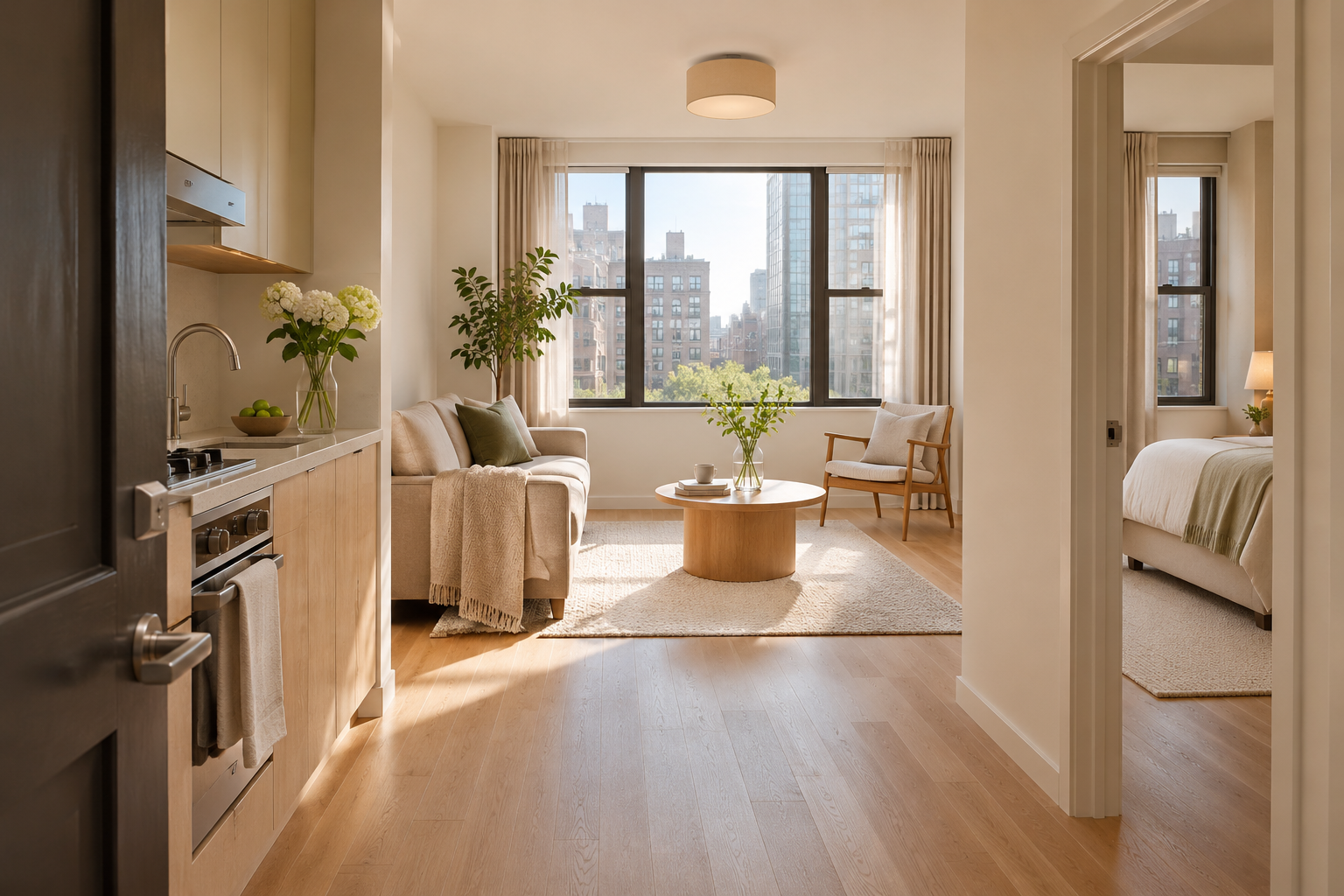
A small apartment needs storage that earns its footprint. These ideas use wall space, furniture interiors, and overlooked gaps to keep everyday belongings close without filling the route through the room.
Affiliate disclosure: As an Amazon Associate I earn from qualifying purchases.
Hides everyday pairs while keeping a narrow apartment entry easier to navigate.
Find on AmazonSearch Amazon ↗Use the gap beneath your bed for spare sheets and seasonal clothing.
Find on AmazonSearch Amazon ↗Combines a compact footrest with concealed space for throws and small living-room essentials.
Find on AmazonSearch Amazon ↗Keep books and small essentials accessible without adding another floor-standing unit.
Find on AmazonSearch Amazon ↗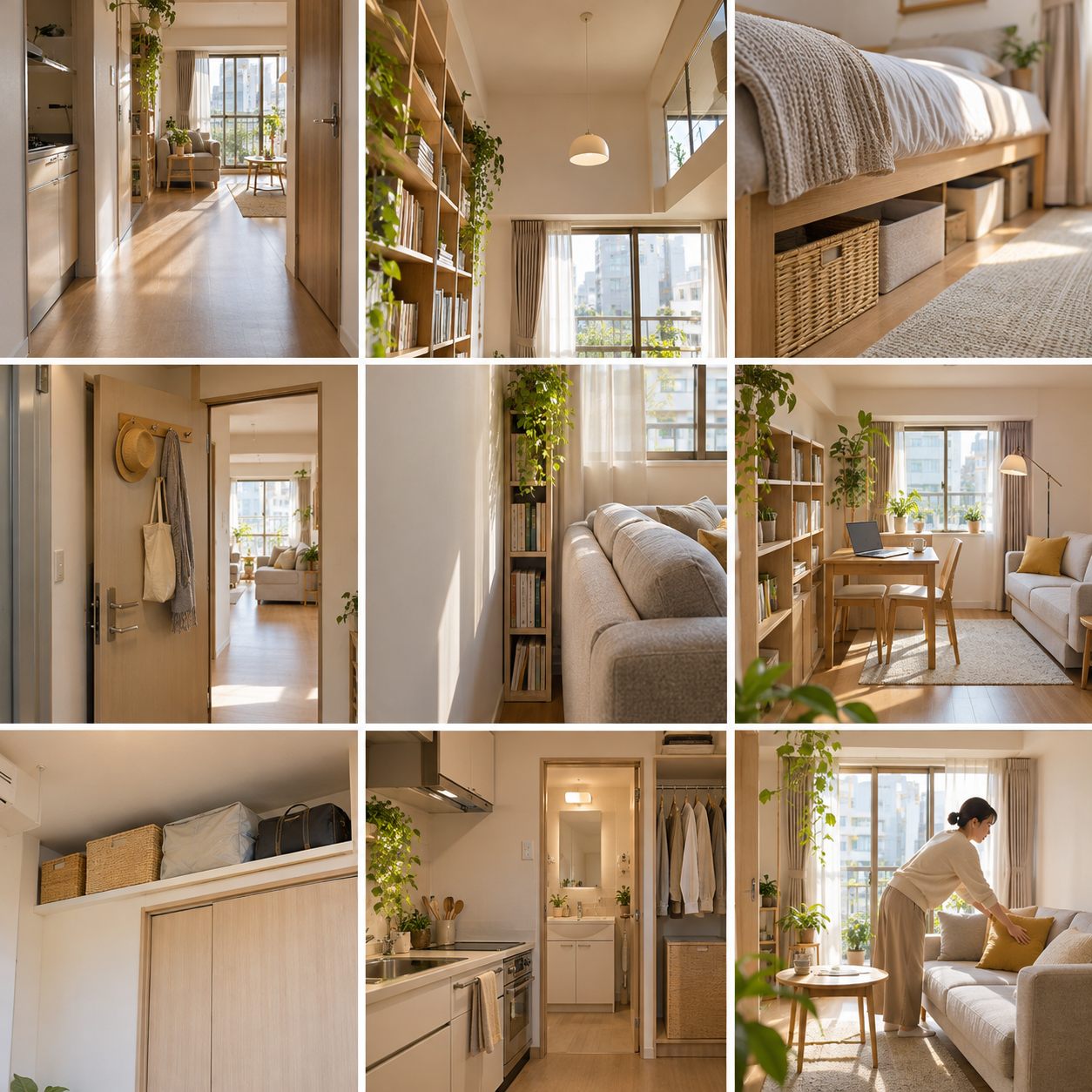
A freestanding coat rack can occupy the exact corner you need for walking into the room. Put a short hook rail on a suitable wall near the door, then limit it to the jackets and bags currently in use. Check the fixing method and leave the door free to open completely.
A shallow flip-drawer cabinet can hold everyday shoes without projecting as far into a narrow entry as an open rack. Measure with the compartment open, and check the interior dimensions against your largest pair. Follow the manufacturer’s anchoring instructions rather than relying on the cabinet’s narrow footprint for stability.
The space under a bed works well for clean sheets and occasional bedding that would otherwise fill a dresser. Measure the lowest frame clearance before choosing bags, including any support legs that interrupt the opening. Keep handles toward the side you can reach so retrieving a set does not require moving the bed.
If short shirts occupy a full-height closet rail, the empty space below them can become another hanging zone. An adjustable hanging rod can add room for folded-over pants or shorter tops without another wardrobe in the bedroom. Measure garment lengths first, and confirm that the existing rail can support the additional loaded weight.
A wall-mounted bedside drawer provides a landing spot for a book and glasses while leaving the floor underneath open. Place it where you can reach it comfortably from the mattress, with enough clearance to make the bed. Plan the charging cable route before mounting so cords do not hang across the narrow passage.
When a footrest already has a place in the seating area, choosing one with internal storage can eliminate a separate blanket basket. Keep the contents light and easy to lift out when someone wants to sit down. Check that the lid opens without pushing the ottoman into the main walkway or striking the sofa.
Two small nesting tables can provide extra surfaces when guests visit, then tuck together when the room needs a clearer route. Compare the footprint of the nested set with your existing coffee table before buying. Leave enough room beside the sofa to pull one out without shifting another piece of furniture first.
A shallow door-mounted basket can hold foil or food-storage bags inside an existing cabinet instead of in a counter-top organizer. Measure the gap between the closed door and the shelf contents before choosing the basket depth. Check that hooks clear the cabinet frame and that stored boxes cannot catch on the hinges.
Stacked baking sheets often become a pile that spreads onto a counter whenever the bottom tray is needed. A vertical divider keeps each piece accessible within one cabinet bay. Measure the tallest tray with the door closed, and place the divider where pulling out a sheet will not require emptying the surrounding cabinet.
A slim cart can use a narrow gap beside a vanity that is too small for a conventional cabinet. Measure the widest part of the loaded cart, including handles and wheels, and check that it can roll out easily. Store only supplies that suit the bathroom’s moisture level, and keep the route to the sink unobstructed.
A fold-flat wall rack creates temporary drying space without leaving a freestanding rack in the middle of the apartment all week. Check the unfolded projection against doors, furniture, and your normal walking route. Follow the mounting and load instructions, and fold it closed only after the rack and surrounding wall are dry.
Start where stored belongings interrupt a daily route: shoes by the door, a blanket basket beside the sofa, or a drying rack across the room. Measure that footprint and look for a wall-mounted, concealed, or fold-away alternative before buying storage for another area.
Measure from the floor to the lowest obstruction beneath the frame, then check the width and depth of the accessible opening. Support legs may divide the space into smaller bays. Leave enough room for the loaded bag or bin to slide out without dragging against the frame.
Yes, if shelves project into a passage or interfere with furniture and doors. Keep wall storage shallow where people pass, and avoid placing heavy objects above seating or sleeping areas without an appropriate mounting system. A smaller shelf that remains accessible is more useful than one that fills every inch.