I’ve been experimenting with gluten-free recipes lately, and I recently discovered a delightful version of iced sugar cookies made with almond flour. These cookies are soft and chewy, with a rich flavor that really stands out. What I find most interesting is how the almond flour complements the sweetness of the icing. If you’re curious about how to make this delicious treat, let’s explore the steps and tips to create your own batch.
What kind of recipe is it?
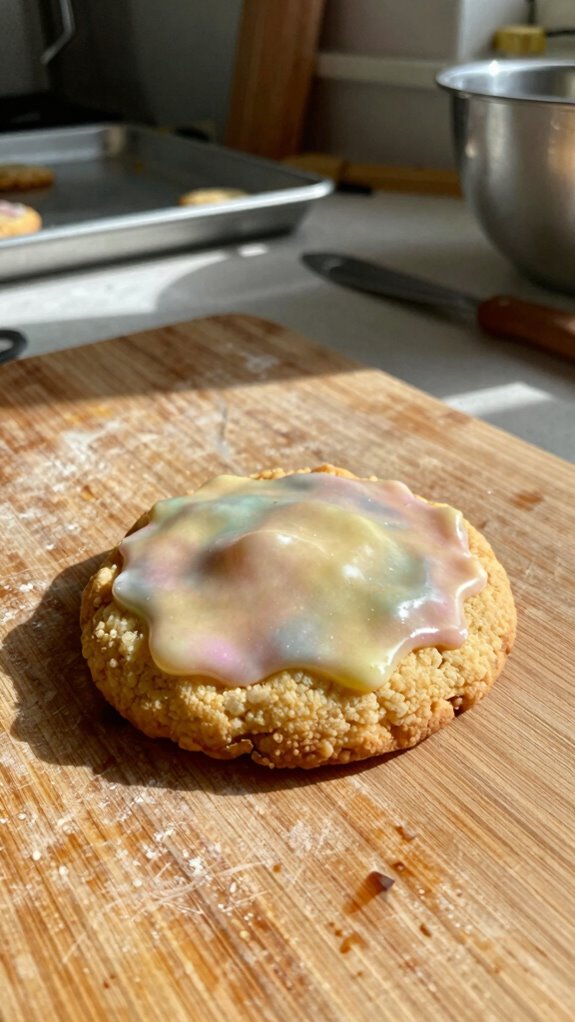
The Gluten-Free Iced Sugar Cookie is a delightful treat that caters specifically to those with gluten sensitivity or celiac disease, allowing everyone to enjoy a classic favorite.
This charming cookie recipe features a soft, chewy texture with a sweet, buttery flavor, topped with a colorful icing that enhances its visual appeal.
Perfect for festive occasions or as a simple dessert, these cookies aren’t only delicious but also inclusive, making them ideal for families and gatherings where dietary restrictions may be a concern.
Enjoy baking and decorating these delightful cookies together!
Preparation Time
| Details | Information |
|---|---|
| Difficulty of the Recipe | Easy |
| Preparation Time | 20 minutes |
| Number of Servings | 24 cookies |
Ingredients
| Ingredient | Quantity |
|---|---|
| Gluten-free all-purpose flour | 2 cups |
| Granulated sugar | 3/4 cup |
| Baking powder | 1 teaspoon |
| Salt | 1/2 teaspoon |
| Unsalted butter (softened) | 1 cup (2 sticks) |
| Egg | 1 large |
| Vanilla extract | 1 teaspoon |
| Almond extract (optional) | 1/2 teaspoon |
| Powdered sugar | 2 cups |
| Milk (or non-dairy milk) | 2–3 tablespoons (for icing) |
| Food coloring (optional) | As desired |
Essential Kitchen Equipment
| Tool/Equipment | Purpose | Alternative Option |
|---|---|---|
| Mixing bowls (large and medium) | Used to combine dry and wet ingredients effectively. | Use large pots or containers if bowls aren’t available. |
| Measuring cups (dry and liquid) | Essential for accurately measuring flour, sugar, and liquids. | Use standard cups or containers marked with measurements. |
| Measuring spoons | Required for precise amounts of baking powder, salt, and extracts. | Use regular spoons (teaspoon/tablespoon) for approximate measurements. |
| Stand mixer or hand mixer | Helps to cream butter with sugar and mix dough efficiently. | Use a whisk and strong arm for mixing by hand. |
| Rubber spatula | Great for scraping down the sides of the mixing bowl and folding in ingredients. | A wooden spoon can also be used, though less effective for scraping. |
| Wooden spoon | Useful for mixing dough and blending ingredients together. | A sturdy plastic spoon can work as a substitute. |
| Baking sheets (2-3) | Provides surface for placing cookie dough to bake evenly. | Use any flat baking tray you have at home. |
| Parchment paper or silicone mats | Prevents cookies from sticking to baking sheets, ensuring easy removal. | Lightly greasing the baking sheets can be an alternative, though cleanup may be more challenging. |
| Cookie scoop or spoon | Helps to portion cookie dough evenly for uniform cookie sizes. | Use a regular tablespoon to scoop dough, though cookies may vary in size. |
| Cooling rack | Allows cookies to cool evenly and prevents sogginess from steam. | Place cookies directly on a countertop covered with a cloth or parchment paper. |
| Oven thermometer | Ensures the oven temperature is accurate for consistent baking results. | Use the built-in oven temperature gauge, but keep in mind it may not always be accurate. |
Cooking Steps

- Organize all ingredients and equipment for easy access. Gather a large mixing bowl, a medium mixing bowl, measuring cups, measuring spoons, a stand mixer (or hand mixer), rubber spatula, wooden spoon, baking sheets, parchment paper, cookie scoop or spoon, and a cooling rack.
- Preheat the oven to 180 °C (350 °F). Position the oven rack in the center to facilitate even baking.
- Line two baking sheets with parchment paper or silicone mats to prevent sticking.
- In a large mixing bowl, combine 240 g (2 cups) of gluten-free flour blend, 5 g (1 teaspoon) of baking powder, and 1 g (¼ teaspoon) of salt. Mix thoroughly using a whisk to ensure even distribution of dry ingredients.
- In the medium mixing bowl, cream together 115 g (½ cup) of unsalted butter, at room temperature, and 200 g (1 cup) of granulated sugar using a stand mixer fitted with the paddle attachment on medium speed until the mixture turns light and fluffy, approximately 2-3 minutes.
- Add 1 large egg and 5 ml (1 teaspoon) of vanilla extract to the creamed mixture. Beat at medium speed until fully incorporated, about 1 minute.
- Gradually add the dry ingredient mixture to the wet ingredients in the stand mixer on low speed, mixing just until combined. Don’t overmix; the dough should be soft and slightly sticky.
- Use a cookie scoop or spoon to portion dough onto the prepared baking sheets, placing them about 5 cm (2 inches) apart to allow for spreading during baking.
- Bake in the preheated oven for 8-10 minutes, or until the edges are a light golden color and the centers look slightly underbaked. Check from 8 minutes onwards for doneness, which should also feature a faint vanilla aroma.
- Once baked, remove cookies from the oven and allow them to cool on the baking sheets for 5 minutes before transferring them to a cooling rack to cool completely.
- Allow cooled cookies to rest at room temperature for approximately 30 minutes to firm up before enjoying.
- If cookies are to be stored, keep them in an airtight container at room temperature for up to 1 week.
Variations
- Lemon Zest Sugar Cookies: Add 15 g (1 tablespoon) of lemon zest to the dough for a refreshing citrus twist.
- Chocolate Chip Cookies: Fold in 150 g (1 cup) of gluten-free chocolate chips into the dough for a classic favorite.
- Almond Flour Cookies: Substitute 120 g (1 cup) of gluten-free flour with almond flour for a nutty flavor and a denser texture.
- Vegan Sugar Cookies: Replace the egg with 60 g (¼ cup) of unsweetened applesauce and use coconut oil instead of butter for a dairy-free and egg-free version.
- Pumpkin Spice Cookies: Incorporate 120 g (½ cup) of pumpkin puree and 5 g (1 teaspoon) of pumpkin pie spice into the wet ingredients for a fall-inspired treat.
- Oatmeal Raisin Cookies: Mix in 90 g (1 cup) of gluten-free rolled oats and 100 g (¾ cup) of raisins for a chewy, hearty variation.
- Coconut Sugar Cookies: Substitute granulated sugar with 200 g (1 cup) of coconut sugar for a lower glycemic option and a slight caramel flavor.
- Chai Spice Sugar Cookies: Add 5 g (1 teaspoon) each of cinnamon, ginger, and cardamom to the dry ingredients for a warm, spiced version.
Tips on plating and presentation
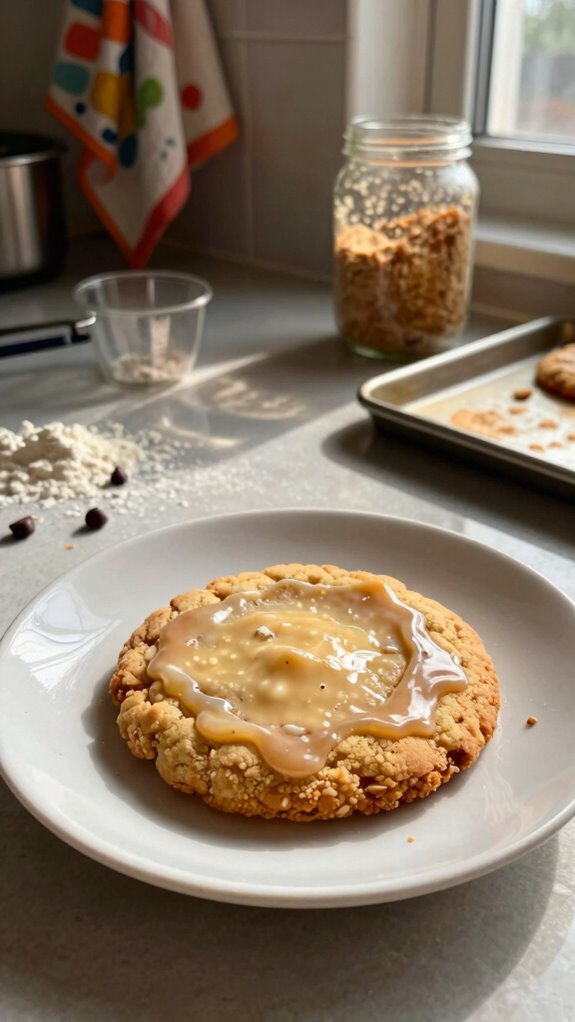
After trying out some delightful variations of gluten-free iced sugar cookies, it’s time to think about how to plate and present them.
I love using simple plating techniques like stacking cookies or arranging them in a colorful box. For decoration ideas, sprinkle edible glitter or place them on a festive plate.
A touch of creativity makes them even more inviting to enjoy!
What other dishes can I pair it with?
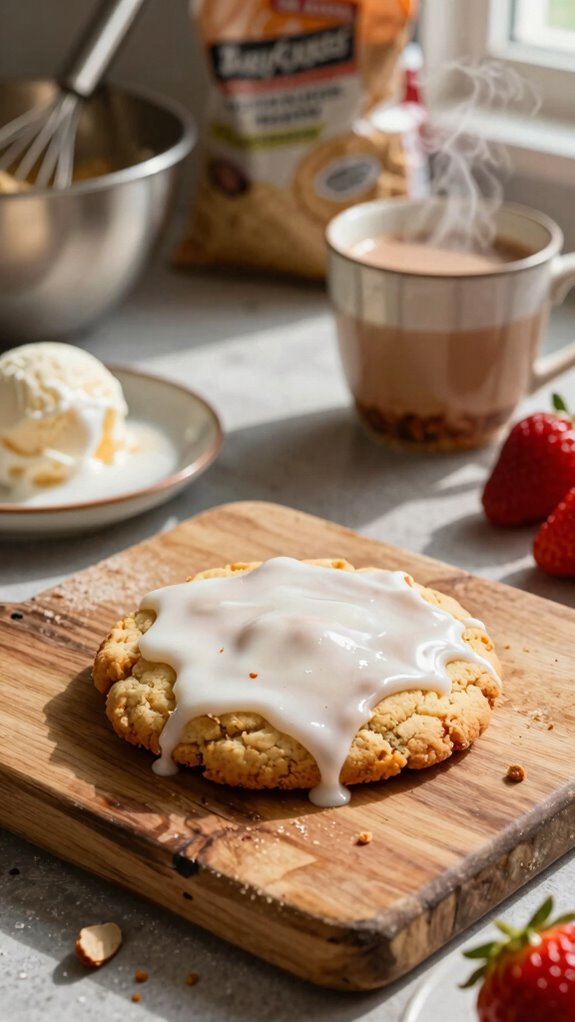
When I think of serving gluten-free iced sugar cookies, I often consider pairing them with a warm cup of tea or coffee.
These cookies make delightful dessert pairings at festive gatherings, complementing holiday cakes or fruit tarts perfectly.
I love how their sweetness balances with spiced desserts, creating a delicious spread that fascinates my guests and adds a cheerful touch to any occasion.
What drinks can I pair it with?

To enhance the experience of gluten-free iced sugar cookies, I often think about pairing them with refreshing beverages that complement their sweetness.
A chilled glass of lemonade or iced tea works beautifully.
If I’m in the mood for something more festive, I’ll whip up some dessert cocktails, like a fruity spritzer or a creamy almond martini. They truly elevate the treat!
Frequently Asked Questions
Is Almond Flour Healthier Than Regular Flour?
I believe almond flour’s nutritional benefits make it healthier than regular flour. It’s packed with protein, healthy fats, and vitamins. Plus, its unique baking properties give my treats a delightful texture that I truly enjoy.
Can I Use Other Gluten-Free Flours Instead of Almond Flour?
Absolutely! I often use alternative gluten-free flours like coconut or rice flour for baking substitutions. Just be aware that each flour behaves differently, so it might take some experimenting to get the texture right.
How Long Can These Cookies Be Stored?
I find that these cookies last up to a week at room temperature in an airtight container. For longer shelf life, I store them in the fridge, ensuring proper storage conditions to maintain freshness.
Are These Cookies Suitable for Kids With Nut Allergies?
No, these cookies aren’t suitable for kids with nut allergies since they contain almond flour. I always recommend finding kid-friendly recipes that are completely nut-free to ensure a safe treat for everyone.
Can I Freeze These Sugar Cookies?
Yes, you can freeze these sugar cookies! I use airtight storage containers and proper freezing techniques to keep them fresh. Just thaw at room temperature when you’re ready to enjoy them again.