When I first experimented with gluten-free snickerdoodles using almond flour, I was pleasantly surprised by the results. The rich, nutty flavor and chewy texture set this version apart from the classic. I’ve learned a few secrets along the way that enhance the experience. If you’re curious about how to create these delightful cookies and want to explore some tips and pairing ideas, stay tuned for what comes next.
What kind of recipe is it?
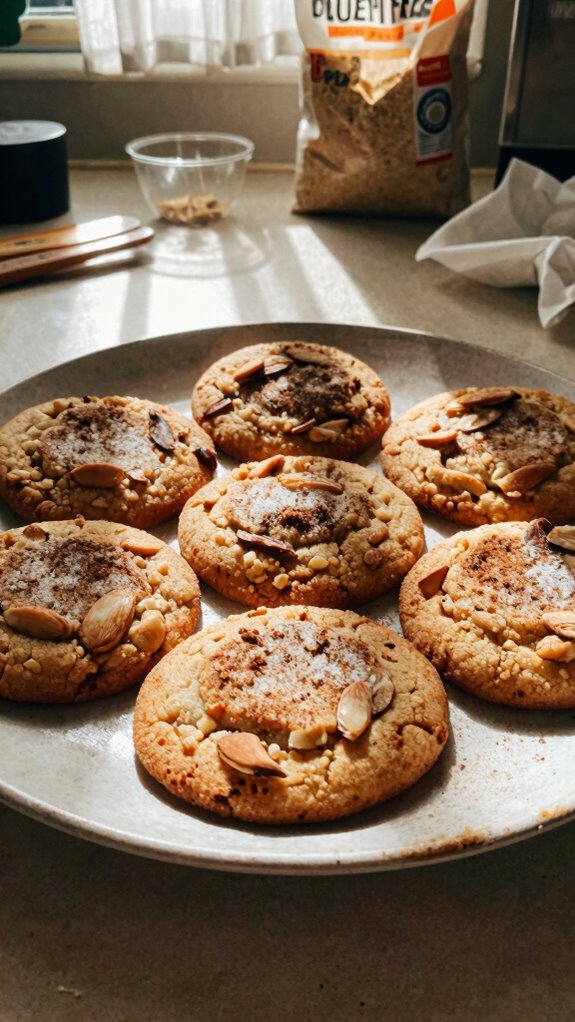
Gluten-Free Snickerdoodles are a delightful twist on the classic cookie, perfect for those with gluten sensitivities or celiac disease.
These rich, buttery treats feature a soft, chewy texture and are rolled in a sweet cinnamon-sugar coating, making them irresistibly delicious.
Ideal for cookie lovers of all ages, this recipe allows everyone to indulge in a beloved favorite without compromise.
Whether you’re hosting a gathering or simply treating yourself, these gluten-free snickerdoodles are sure to impress and satisfy cravings.
Preparation Time
| Aspect | Details |
|---|---|
| Difficulty of the Recipe | Easy |
| Preparation Time | 15 minutes |
| Number of Servings | Approximately 24 cookies |
Ingredients
| Ingredient | Quantity |
|---|---|
| Gluten-Free All-Purpose Flour | 2 ¾ cups |
| Granulated Sugar | 1 ½ cups |
| Brown Sugar | ½ cup |
| Baking Powder | 2 teaspoons |
| Baking Soda | ½ teaspoon |
| Cream of Tartar | 2 teaspoons |
| Salt | ½ teaspoon |
| Unsalted Butter, softened | ½ cup (1 stick) |
| Eggs | 2 large |
| Vanilla Extract | 1 teaspoon |
| Ground Cinnamon | 3 tablespoons (for rolling) |
| Additional Granulated Sugar | 3 tablespoons (for rolling) |
Essential Kitchen Equipment
| Tool/Equipment | Purpose | Alternative Option |
|---|---|---|
| Mixing Bowls (Large and Medium) | Used to combine dry and wet ingredients separately before mixing them together. | Any large, deep dish or container can work. |
| Measuring Cups (Dry and Liquid) | Essential for accurately measuring ingredients like flour, sugar, and liquids. | Use standard cups from the kitchen; just be sure they are the correct size. |
| Measuring Spoons | Needed for measuring smaller quantities of ingredients, like baking powder and salt. | Use teaspoons and tablespoons from your kitchen, keeping in mind that 1 tablespoon = 3 teaspoons. |
| Stand Mixer or Hand Mixer | Used for creaming butter and sugars together and mixing in eggs; makes the process easier. | A whisk can work if you have the arm strength and patience. |
| Rubber Spatula | Ideal for scraping down the sides of the mixing bowl to ensure all ingredients are well combined. | A wooden spoon can be used in a pinch, though it’s less versatile. |
| Wooden Spoon | Useful for mixing batter and folding ingredients gently. | Any strong spoon can suffice, though a sturdy plastic or silicone one is preferable. |
| Baking Sheets (2-3) | Provides a flat surface for baking cookies evenly; using multiple sheets can help speed up the process. | An oven-safe pan or dish can work if you don’t have baking sheets. |
| Parchment Paper or Silicone Mats | Prevents cookies from sticking to the baking sheets and allows for easier cleanup. | Greasing the baking sheets with butter or oil can act as a substitute. |
| Cookie Scoop or Spoon | Helps to portion out dough evenly for uniform baking and presentation. | A regular spoon can be used, though it may result in inconsistently sized cookies. |
| Cooling Rack | Allows baked cookies to cool evenly, preventing them from becoming soggy on the bottom. | A plate or any flat surface can work, but it won’t promote as much airflow. |
| Oven Thermometer | Ensures that your oven is at the correct temperature for baking, which is crucial for successful cookie texture. | Check if your oven’s built-in thermometer is accurate; if not, note that some ovens run hotter or cooler than displayed. |
Cooking Steps
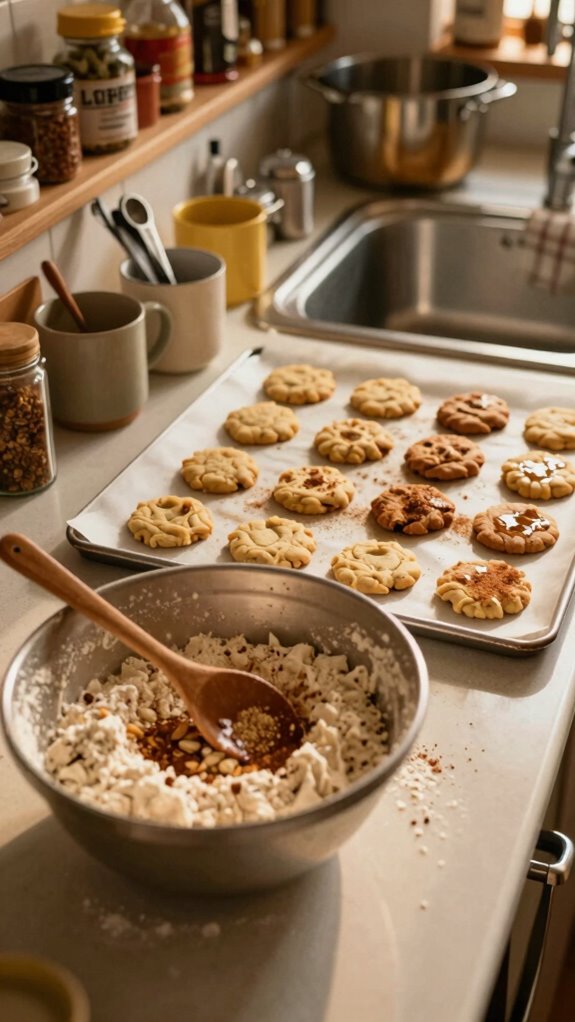
- Preheat the oven to 190 °C (375 °F) and position the oven rack in the center. Line two baking sheets (33 x 46 cm / 13 x 18 inch) with parchment paper or silicone mats to prevent sticking.
- In a large mixing bowl, whisk together 240 g (2 cups) of gluten-free flour blend, 1 tsp baking powder, ½ tsp baking soda, and ½ tsp salt. Set aside.
- In a separate medium mixing bowl, cream together 170 g (¾ cup) of softened unsalted butter and 200 g (1 cup) granulated sugar using a stand mixer on medium speed until the mixture is light and fluffy, approximately 2-3 minutes.
- Add 1 large egg and 1 tsp vanilla extract to the creamed mixture. Beat on medium speed until fully combined, about 1 minute.
- Gradually add the dry ingredient mixture to the wet ingredients, mixing on low speed until just combined and the dough is smooth, about 1 minute. Avoid over-mixing to maintain the soft texture of the cookies.
- In a small bowl, combine 50 g (¼ cup) granulated sugar and 1 tsp ground cinnamon for the cinnamon coating.
- Using a cookie scoop or tablespoon, portion out the dough (approximately 30 g / 2 tablespoons each) and roll into balls. Roll each dough ball in the cinnamon-sugar mixture to coat.
- Place the coated dough balls onto the prepared baking sheets, spacing them approximately 5 cm (2 inches) apart to allow for spreading during baking.
- Bake the cookies in the preheated oven for 10-12 minutes. The cookies should be slightly golden around the edges but still soft in the center; a fragrant aroma should fill the kitchen.
- Remove the baking sheets from the oven and allow the cookies to cool on the sheets for 5 minutes. Then transfer them to a cooling rack to cool completely, preventing them from becoming soggy.
- If desired, allow cookies to rest at room temperature for at least 10 minutes after baking to achieve a firmer texture before serving. For optimal flavor and texture, consume within a few days or store in an airtight container.
Variations
- Chocolate Chip Snickerdoodles: Add 100 g (½ cup) dairy-free or regular chocolate chips to the dough for a sweet chocolate twist.
- Pumpkin Snickerdoodles: Incorporate 120 g (½ cup) pure pumpkin puree and reduce butter to 140 g (⅓ cup) for a seasonal fall flavor, and add ½ tsp pumpkin pie spice for extra warmth.
- Peanut Butter Snickerdoodles: Replace 75 g (⅓ cup) of the butter with creamy peanut butter for a nutty richness and flavor boost.
- Vegan Snickerdoodles: Substitute the egg with 60 g (¼ cup) applesauce and use 170 g (¾ cup) coconut oil instead of butter for a delicious dairy-free treat.
- Matcha Snickerdoodles: Add 1-2 tsp of culinary grade matcha powder to the dry ingredients for a subtle green tea flavor and a unique twist.
- Coconut Snickerdoodles: Mix in 50 g (½ cup) shredded coconut into the dough for a chewy texture and tropical taste.
- Lemon Zest Snickerdoodles: Incorporate the zest of 1 lemon into the dough for a bright, citrusy upgrade to the classic cinnamon flavor.
- Air Fryer Snickerdoodles: Form dough balls and cook them in an air fryer at 160 °C (320 °F) for 8-10 minutes for a quicker and healthier baking method.
Tips on plating and presentation
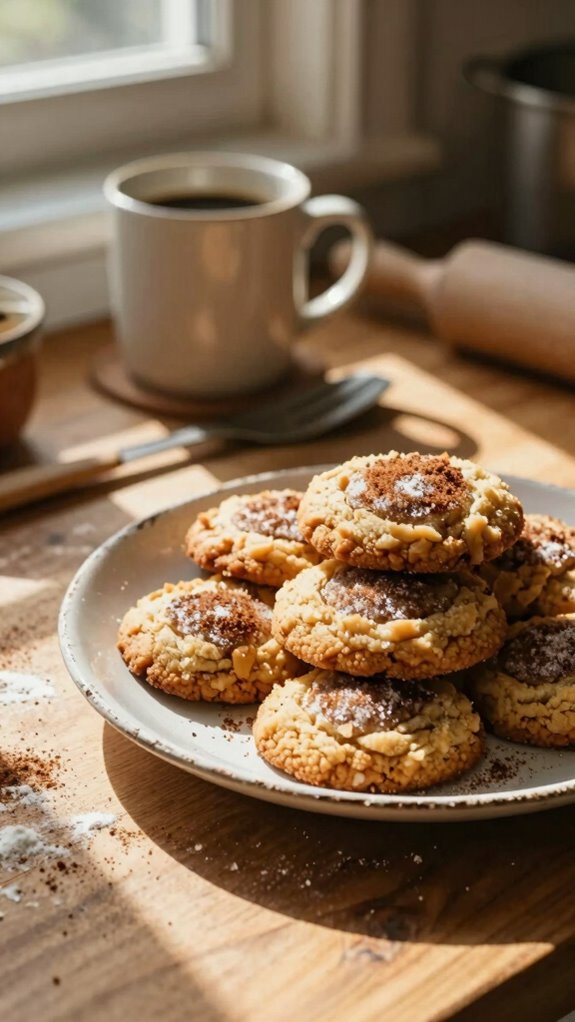
When I plate my gluten-free snickerdoodles, I like to keep it simple yet elegant to make them truly shine.
I often use clean white plates to create contrast and arrange the cookies in a neat stack.
For presentation garnishes, a light dusting of cinnamon or a sprinkle of icing sugar adds a lovely touch.
Using these plating techniques elevates the overall experience.
What other dishes can I pair it with?
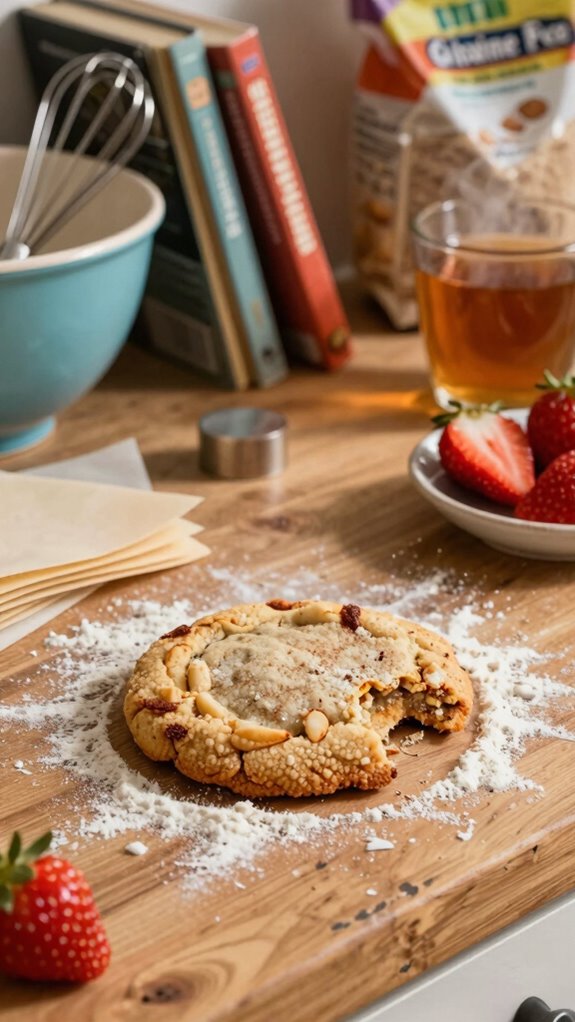
To enhance the enjoyment of gluten-free snickerdoodles, I often pair them with a rich cup of coffee or a warm glass of chai tea.
For dessert pairings, these cookies complement a scoop of vanilla ice cream perfectly.
If I’m feeling adventurous, I’ll serve them alongside a fruit salad, creating delightful meal combinations that balance sweetness and freshness, making every bite memorable.
What drinks can I pair it with?
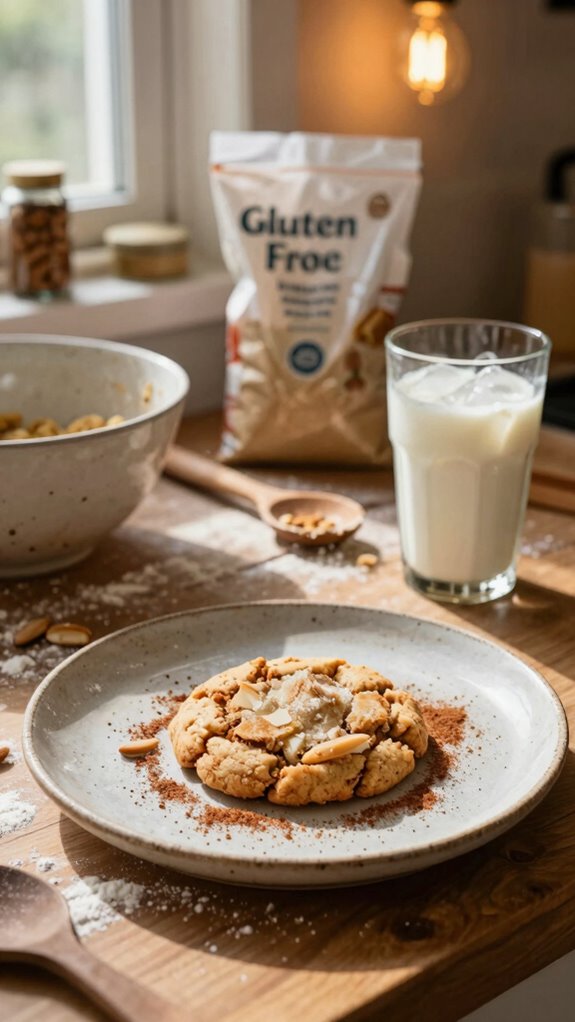
While pairing gluten-free snickerdoodles with delicious dishes can elevate the experience, choosing the right drinks can really enhance the flavors.
I love enjoying snickerdoodles with coffee pairings like a rich espresso or creamy latte.
If you’re in the mood for something sweeter, a nice dessert wine, such as a Moscato, complements the cinnamon sugar perfectly.
It’s a delightful combination!
Frequently Asked Questions
Can I Substitute Almond Flour With Another Gluten-Free Flour?
Yes, you can substitute almond flour with alternative gluten-free flours like oat or coconut flour. However, I’ve noticed the baking texture differences vary, so you might need to adjust ratios for the best results.
How Do I Store Leftover Snickerdoodles?
I store leftover snickerdoodles in an airtight cookie container, ensuring they stay fresh. They typically have a shelf life of about a week. For longer storage, I freeze them in a freezer-safe container.
Are Snickerdoodles Naturally Dairy-Free?
Snickerdoodles aren’t naturally dairy-free, but I’ve found delicious cookie variations using dairy alternatives. You can easily substitute butter with coconut oil or any plant-based option for a tasty, dairy-free treat. Enjoy experimenting!
Can I Freeze Snickerdoodles for Later?
Yes, I can freeze snickerdoodles for later! I use airtight containers for freezing tips and let them thaw in the fridge or at room temperature for the best texture when I’m ready to enjoy them.
What Makes Snickerdoodles Different From Sugar Cookies?
Snickerdoodles stand out from sugar cookies because they’ve got that delightful cinnamon sugar coating. I love their chewy texture, which contrasts nicely with the crisp edges, creating a unique cookie experience that’s simply irresistible!