I’ve been experimenting with German Pfeffernüsse cookies lately, specifically the dark chocolate variety infused with 60% cocoa. The combination of rich chocolate and warming spices like cinnamon and nutmeg creates a unique flavor profile that’s perfect for the holiday season. The soft texture and indulgent coating make these cookies a standout. I can’t wait to share the cooking steps and some creative variations that will elevate your baking game.
What kind of recipe is it?
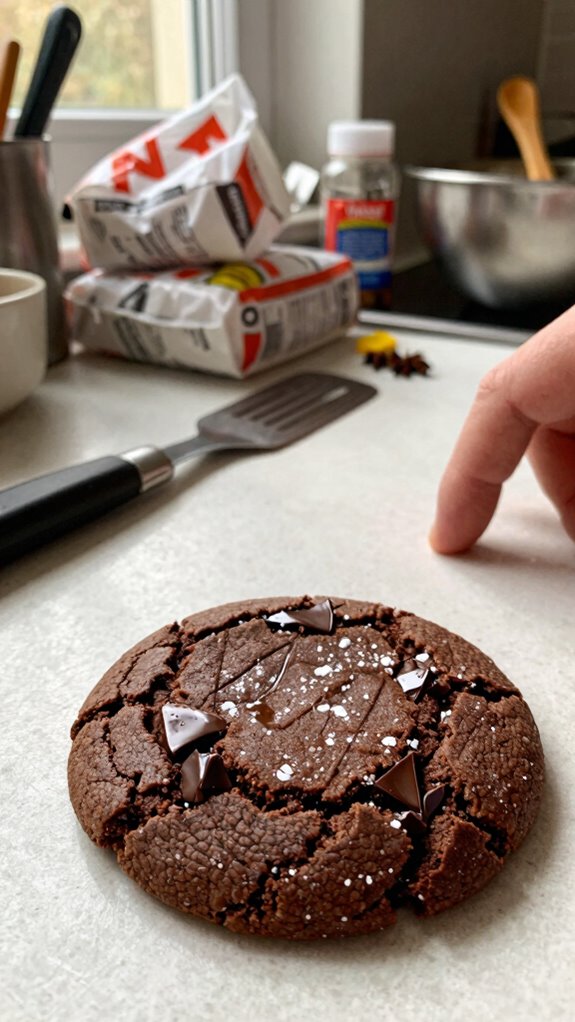
Dark Chocolate German Pfeffernüsse Cookies are a delightful spiced treat, perfect for the holiday season or any festive gathering.
These traditional German cookies are characterized by their rich, dark chocolate coating and a unique blend of warm spices such as cinnamon, nutmeg, and cardamom, offering a comforting flavor profile.
Ideal for cookie enthusiasts and those looking to explore international baking, this recipe is a must-try for anyone wanting to impress family and friends with something both delicious and culturally significant.
Preparation Time
| Attribute | Details |
|---|---|
| Difficulty of the Recipe | Intermediate |
| Preparation Time | 30 minutes (excluding chilling) |
| Number of Servings | Approximately 24 cookies |
Ingredients
| Ingredient | Quantity |
|---|---|
| All-purpose flour | 2 ½ cups (315g) |
| Dark cocoa powder | ½ cup (50g) |
| Ground black pepper | 1 teaspoon |
| Ground cinnamon | 1 teaspoon |
| Ground nutmeg | ½ teaspoon |
| Ground ginger | ½ teaspoon |
| Baking soda | 1 teaspoon |
| Salt | ½ teaspoon |
| Unsalted butter | ½ cup (115g), softened |
| Brown sugar | ¾ cup (150g), packed |
| Granulated sugar | ¼ cup (50g) |
| Egg | 1 large |
| Vanilla extract | 1 teaspoon |
| Molasses | 2 tablespoons |
| Chopped dark chocolate | 1 cup (170g) |
| Powdered sugar (for dusting) | ½ cup (60g) |
Essential Kitchen Equipment
| Tool/Equipment | Purpose | Alternative Option |
|---|---|---|
| Mixing bowls (large and medium) | Used for combining dry and wet ingredients. | Any large bowl or pot that can hold ingredients. |
| Measuring cups (dry and liquid) | Essential for measuring the precise quantities of ingredients. | A kitchen scale for weight measurement or repurposed cups (like a coffee mug) for estimation. |
| Measuring spoons | Used for measuring small amounts of ingredients like spices. | Use a standard teaspoon/tablespoon from your kitchen, keeping in mind that measurement may not be precise. |
| Stand mixer or hand mixer | Helps in creaming butter and sugar, mixing batter evenly. | A whisk and elbow grease for manually mixing ingredients. |
| Rubber spatula | Ideal for scraping down the sides of the mixing bowl and folding in ingredients. | A wooden spoon or any flexible spatula (silicone or plastic). |
| Wooden spoon | Used for mixing thicker doughs and batters. | A sturdy fork or any large spoon (like a ladle) for mixing. |
| Baking sheets (2-3) | Provide a surface for placing cookies for baking. | Any flat baking surface that can withstand oven temperatures, such as pizza trays. |
| Parchment paper or silicone mats | Prevent cookies from sticking to the baking sheets. | Lightly greasing the baking sheets with butter or cooking spray. |
| Cookie scoop or spoon | Helps to portion out consistent cookie sizes. | A regular spoon can be used for scooping, though the sizes may vary. |
| Cooling rack | Allows cookies to cool evenly and prevents them from becoming soggy. | A plate or countertop will work, but be cautious with moisture. |
| Oven thermometer | Ensures the oven is set to the correct temperature for baking. | Check with an oven calibration test or use an alternative recipe baking time adjustments based on regular testing. |
Cooking Steps
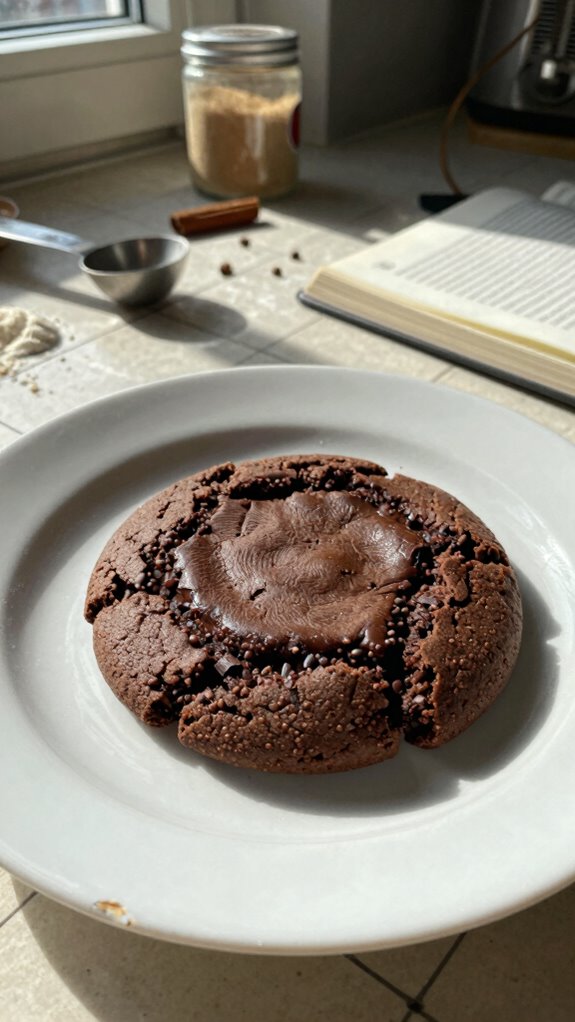
1. Mise en Place: Gather all ingredients (flour, spices, brown sugar, molasses, dark chocolate, baking soda, butter, egg) and tools (large mixing bowl, measuring cups and spoons, stand mixer, baking sheets, parchment paper, cooling rack).
2. Preheat Oven: Preheat the oven to 175 °C (350 °F) and position the middle rack to allow even heat distribution.
3. Pan Preparation: Line two baking sheets with parchment paper, ensuring coverage for easy cookie removal. Set aside.
4. Mix Dry Ingredients: In a large mixing bowl, whisk together 240 g (2 cups) of all-purpose flour, 5 g (1 teaspoon) of baking soda, 1 g (1/4 teaspoon) of ground nutmeg, 3 g (1 teaspoon) of ground cinnamon, and a pinch of salt until evenly combined.
5. Cream Butter and Sugar: In a stand mixer fitted with a paddle attachment, beat 115 g (1/2 cup) of softened butter and 100 g (1/2 cup) of packed brown sugar on medium speed until the mixture is light and fluffy, approximately 3-5 minutes.
6. Incorporate Molasses and Egg: Add 60 ml (1/4 cup) of molasses and 1 large egg to the butter mixture. Mix on low speed until combined, scraping the sides of the bowl with a rubber spatula.
7. Combine Dry and Wet Mixtures: Gradually add the flour mixture to the wet ingredients, mixing on low speed until just incorporated. Don’t overmix; aim for a uniform dough with some visible flour.
8. Fold in Chocolate: Gently fold in 100 g (1 cup) of finely chopped dark chocolate using a rubber spatula until evenly distributed throughout the dough.
9. Scoop Cookies: Using a cookie scoop (approximately 30 ml or 2 tablespoons), portion out the dough onto the prepared baking sheets, spacing them approximately 5 cm (2 inches) apart.
10. Bake Cookies: Place the baking sheets in the preheated oven. Bake for 10-12 minutes or until the edges are set and the centers appear slightly underbaked. The cookies should have a rich, dark color and a fragrant aroma.
11. Cool Cookies: Remove the sheets from the oven and allow the cookies to cool on the sheets for 5 minutes.
Transfer cookies to a cooling rack to cool completely, ensuring they firm up as they cool.
12. Resting Cookies: Allow the cookies to rest on the cooling rack for at least 10 minutes before serving to enhance their texture and flavor development.
Each cookie should feel slightly soft when touched but not sticky.
13. Check for Doneness: Optionally, ensure the internal temperature of any underbaked cookies reaches at least 74 °C (165 °F) upon resting to confirm safe consumption.
14. Serve or Store: Once cooled, serve the cookies immediately or store them in an airtight container at room temperature for up to one week.
Variations
- Spicy Ginger Pfeffernüsse: Add 10 g (2 teaspoons) of ground ginger to the dry ingredients for a warm, spicy kick.
- Citrus Zest Twist: Incorporate 5 g (1 teaspoon) of grated orange or lemon zest into the dough for a refreshing citrus flavor.
- Gluten-Free Variation: Substitute 240 g (2 cups) of all-purpose flour with a gluten-free flour blend to cater to gluten sensitivities.
- Vegan Alternative: Replace butter with 115 g (1/2 cup) of coconut oil and use a flax egg (1 tablespoon flaxseed meal mixed with 2.5 tablespoons water) instead of the egg for a plant-based version.
- Nutty Addition: Fold in 100 g (1 cup) of finely chopped walnuts or pecans for added crunch and richness.
- Cocoa Boost: Mix in 30 g (1/4 cup) of unsweetened cocoa powder with the dry ingredients for an extra chocolatey flavor.
- Dairy-Free Option: Use dairy-free dark chocolate and replace butter with vegan margarine to make it suitable for a dairy-free diet.
- No-Bake Variation: Make no-bake pfeffernüsse by combining the dry ingredients with melted coconut oil and maple syrup, then chilling in the fridge to set before shaping.
Tips on plating and presentation
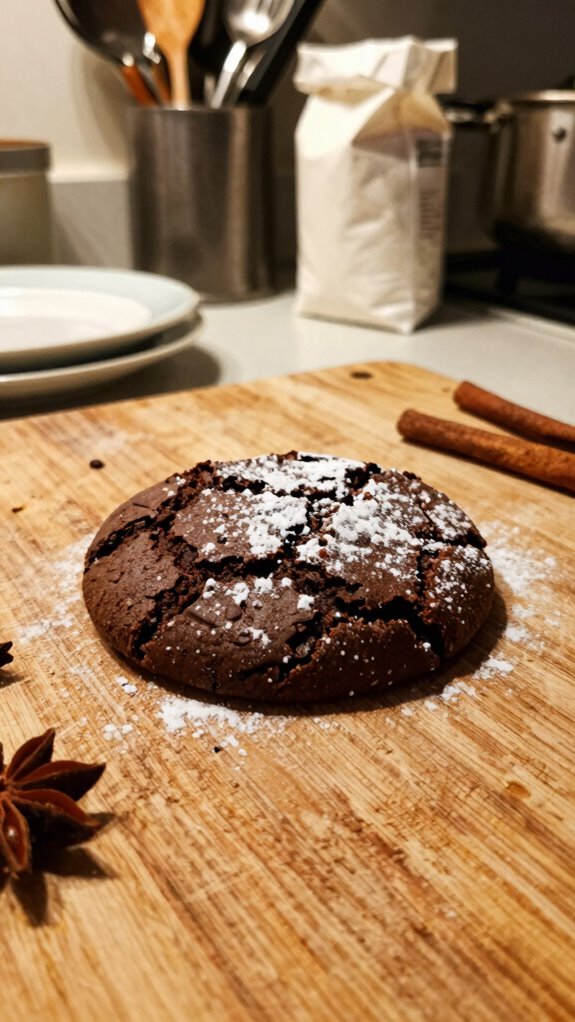
When it comes to serving your delicious dark chocolate German pfeffernüsse cookies, presentation can elevate the entire experience.
I recommend using simple plating techniques like stacking the cookies in an inviting tower or arranging them on a decorative plate.
Add a dusting of powdered sugar or a sprig of mint for color, and remember to use contrasting backgrounds for a striking visual appeal.
What other dishes can I pair it with?
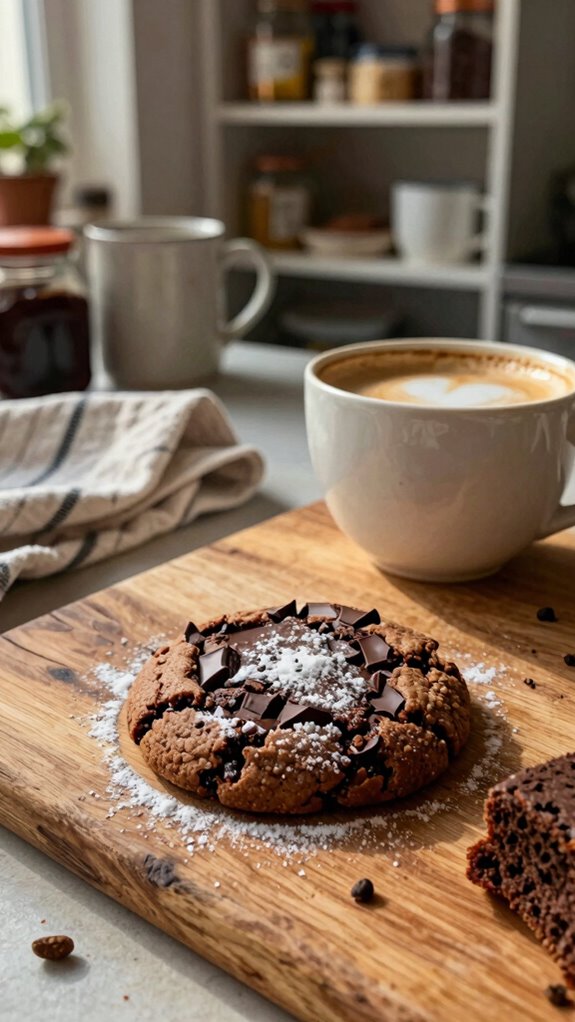
Have you ever thought about what flavors complement dark chocolate German pfeffernüsse cookies?
I love pairing them with creamy vanilla ice cream or rich chocolate mousse for delightful dessert pairings. The spice notes in the cookies also harmonize beautifully with gingerbread or spiced apple desserts.
These flavor complements truly elevate the experience, making each bite a delicious adventure. Give it a try!
What drinks can I pair it with?
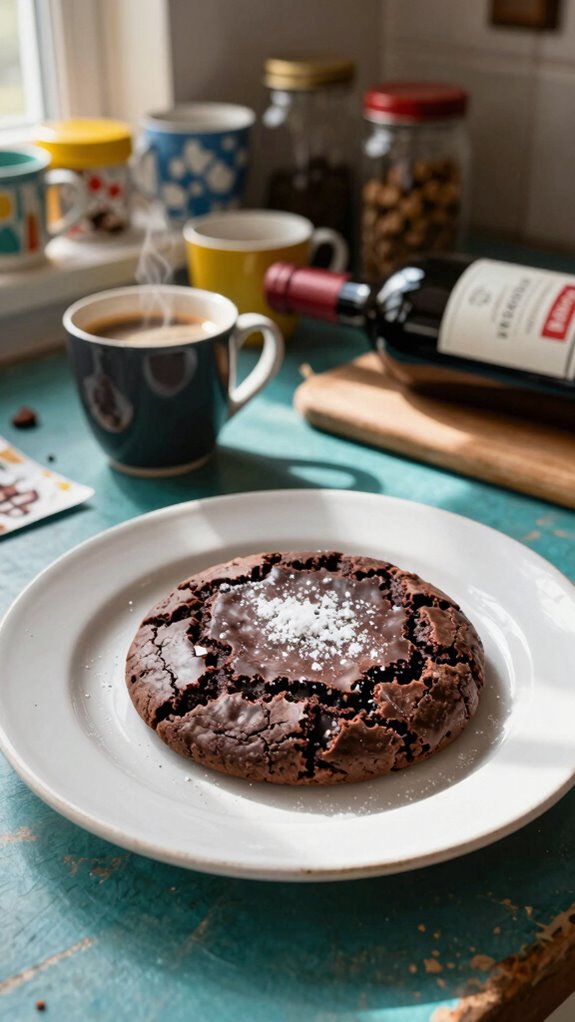
How can you elevate your enjoyment of dark chocolate German pfeffernüsse cookies?
Pairing them with a robust black tea selection enhances their spicy notes, while a rich red wine, like a Cabernet Sauvignon, complements the chocolate’s depth.
I’ve found that these drinks not only heighten the flavors but also create a delightful tasting experience, making each bite unforgettable.
Enjoy!
Frequently Asked Questions
Are Pfeffernüsse Cookies Gluten-Free?
Pfeffernüsse cookies aren’t typically gluten-free, but you can easily make them gluten-free using gluten free flour. I love experimenting with baking alternatives to achieve the perfect texture; it’s a fun challenge for my holiday treats!
Can I Use Substitute Ingredients for This Recipe?
Yes, you can definitely use substitutes! I’ve found ingredient alternatives like almond flour for regular flour or coconut sugar for brown sugar work well. Just keep the proportions similar, and you’ll still get tasty cookies!
How Should I Store Leftover Cookies?
I store leftover cookies in proper containers, ensuring they stay fresh. I keep them in the pantry at ideal temperatures, away from heat and moisture, to maintain their deliciousness for days.
How Long Do These Cookies Last?
These cookies typically last about two weeks on the shelf if stored properly. I always check for freshness; keeping them in an airtight container helps maintain their delicious taste beyond just a few days.
Can I Freeze Pfeffernüsse Cookies?
Yes, you can freeze pfeffernüsse cookies! I’ve done it before. Just wrap them tightly, and when you’re ready, use simple thawing techniques like placing them in the fridge overnight for optimal taste and texture.