I’ve recently explored the world of gluten-free baking, and I must say, the iced sugar cookies made with almond flour have raised the bar. The nutty undertones and tender texture of these cookies offer a delightful twist on a classic favorite. If you’re curious about how to prepare them and what makes them stand out, there’s much more to uncover about their unique flavors and presentations.
What kind of recipe is it?
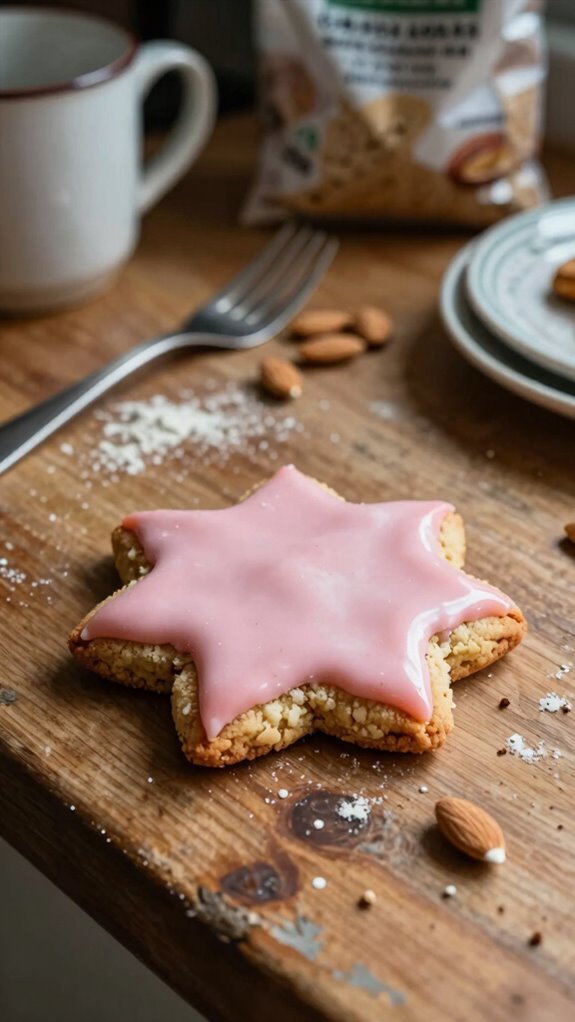
The Gluten-Free Iced Sugar Cookie is a delightful treat that caters to those with gluten sensitivities while still satisfying sweet cravings.
This soft, buttery cookie features a subtly sweet flavor, perfectly complemented by a colorful, creamy icing that can be customized for any occasion.
Ideal for families or individuals looking for a gluten-free dessert option, these cookies are great for celebrations, holidays, or simply as a tasty snack.
Baking this recipe ensures everyone can indulge, making it a wonderful addition to any dessert table.
Preparation Time
| Detail | Information |
|---|---|
| Difficulty of the recipe | Easy |
| Preparation time | 20 minutes (plus cooling time) |
| Number of servings | 24 cookies |
Ingredients
| Ingredient | Quantity |
|---|---|
| Gluten-free all-purpose flour | 2 ½ cups |
| Baking powder | 1 teaspoon |
| Baking soda | ½ teaspoon |
| Salt | ¼ teaspoon |
| Unsalted butter (softened) | 1 cup (2 sticks) |
| Granulated sugar | 1 ½ cups |
| Brown sugar | ½ cup |
| Large eggs | 2 |
| Vanilla extract | 2 teaspoons |
| Almond extract (optional) | 1 teaspoon |
| Confectioners’ sugar (for icing) | 2 cups |
| Milk (for icing) | 2-3 tablespoons |
| Food coloring (optional) | As desired |
Essential Kitchen Equipment
| Tool/Equipment | Purpose | Alternative Option |
|---|---|---|
| Mixing bowls (large and medium) | Used for mixing ingredients and combining wet and dry components. | Any large container (like a pot) or a mixing pitcher. |
| Measuring cups (dry and liquid) | Used for accurate measurement of ingredients to ensure proper ratios. | Standard coffee mugs or small containers (use a scale for drying). |
| Measuring spoons | Used for measuring smaller quantities of ingredients like baking powder or vanilla extract. | Eyeballing with regular spoons (assumed measurements). |
| Stand mixer or hand mixer | Used to cream butter and sugar together efficiently, and mix in other ingredients. | Whisk and elbow grease, or a hand-held whisk. |
| Rubber spatula | Used to scrape the sides of bowls clean and fold ingredients together. | Wooden spoon or plastic spoon. |
| Wooden spoon | Ideal for mixing thick dough and blending dry ingredients – also gentle for gluten-free mixtures. | Any sturdy spoon can work, like a silicone or metal spoon. |
| Baking sheets (2-3) | Provides a surface to place cookie dough for baking in the oven. | Any flat pan or casserole dish lined with parchment. |
| Parchment paper or silicone mats | Prevent cookies from sticking to the baking sheets for easier removal and cleanup. | Lightly greased aluminum foil or well-greased pans. |
| Cookie scoop or spoon | Ensures uniform size and shape of cookies before baking. | Use a regular spoon or measuring spoon to drop dough. |
| Cooling rack | Allows cookies to cool evenly after baking, preventing sogginess. | A clean, dry cutting board or countertop can work temporarily. |
| Oven thermometer | Ensures the oven is at the correct temperature for baking. | A simple oven timer if you estimate baking time effectively. |
Cooking Steps
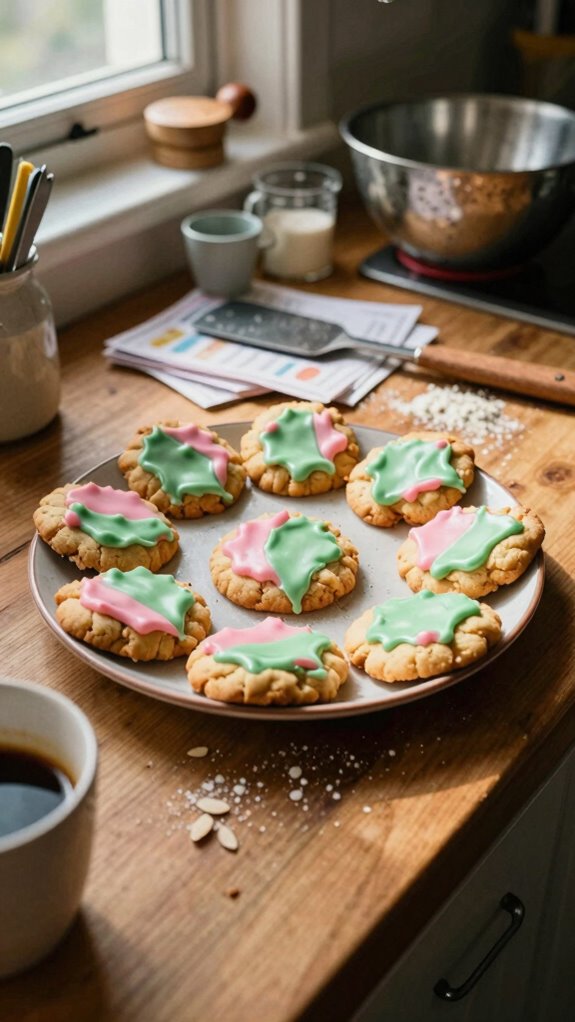
- Gather all ingredients and tools for the gluten-free iced sugar cookies. Ensure you have the mixing bowls, measuring cups, measuring spoons, stand mixer (or hand mixer), rubber spatula, wooden spoon, baking sheets, parchment paper, cookie scoop, cooling rack, and oven thermometer ready.
- Preheat the oven to 175°C (350°F) and position the oven rack in the middle. This will enable even baking of the cookies.
- In a large mixing bowl, combine 240 g (2 cups) gluten-free all-purpose flour, 5 g (1 tsp) baking powder, and 2 g (½ tsp) salt. Whisk together using a wooden spoon until fully incorporated. Set aside.
- In a medium mixing bowl, cream together 115 g (½ cup) unsalted butter (at room temperature) and 200 g (1 cup) granulated sugar using a stand mixer on medium speed for 3–5 minutes, until the mixture is light and fluffy, with a pale yellow color and a smooth texture.
- Add 5 ml (1 tsp) pure vanilla extract and 1 large egg to the butter-sugar mixture. Beat on medium speed until thoroughly combined, about 1–2 minutes.
- Gradually add the dry flour mixture into the wet mixture, using the rubber spatula to scrape down the sides of the bowl as necessary. Mix until just combined, ensuring no dry flour remains.
- Use a cookie scoop to portion the dough onto a baking sheet lined with parchment paper, spacing them about 5 cm (2 inches) apart. Each scoop should hold approximately 30 ml (2 tablespoons) of dough.
- Bake the cookies in the preheated oven for 10–12 minutes or until the edges are lightly golden and the centers appear set. The cookies should be fragrant and slightly puffed in appearance.
- Remove the baking sheet from the oven and allow the cookies to cool on the sheet for 5 minutes. Carefully transfer the cookies to a cooling rack using a spatula. Ensure they cool completely before icing, about 30 minutes.
- Prepare the icing while the cookies cool. In a medium mixing bowl, combine 240 g (2 cups) powdered sugar and 30 ml (2 tbsp) milk. Use a whisk to incorporate until the icing is smooth and spreadable. If a thicker consistency is desired, adjust with more powdered sugar or if thinner, add more milk gradually.
- Once cookies are completely cool, use a clean rubber spatula or knife to spread the icing evenly over the top of each cookie. Allow the icing to set for about 15 minutes before serving.
- Store any leftover cookies in an airtight container at room temperature for up to 5 days. If refrigerated, allow the cookies to come to room temperature before serving.
Variations
- Lemon Zest Sugar Cookies: Add 15 g (1 tbsp) of lemon zest to the dough for a refreshing citrus twist.
- Chocolate Chip Gluten-Free Cookies: Fold in 150 g (1 cup) of gluten-free chocolate chips into the dough for a rich, chocolaty flavor.
- Coconut Flour Cookies: Substitute 60 g (½ cup) of gluten-free all-purpose flour with 30 g (¼ cup) coconut flour for a tropical taste and added fiber.
- Dairy-Free Sugar Cookies: Replace unsalted butter with 115 g (½ cup) of coconut oil or dairy-free butter for a dairy-free version.
- Vegan Sugar Cookies: Use 1 flax egg (1 tbsp ground flaxseed mixed with 3 tbsp water) instead of the egg and coconut oil in place of butter for a vegan alternative.
- Pumpkin Spice Sugar Cookies: Incorporate 240 g (1 cup) of pure pumpkin puree and 5 g (1 tsp) of pumpkin pie spice into the dough for a seasonal fall flavor.
- Maple Pecan Cookies: Replace granulated sugar with 200 ml (¾ cup) of maple syrup and add 60 g (½ cup) chopped pecans for a nutty sweetness.
- Grilled Sugar Cookies: Bake the cookies in a grill preheated to medium heat (about 175°C or 350°F) for a unique smoky flavor and chewy texture.
Tips on plating and presentation
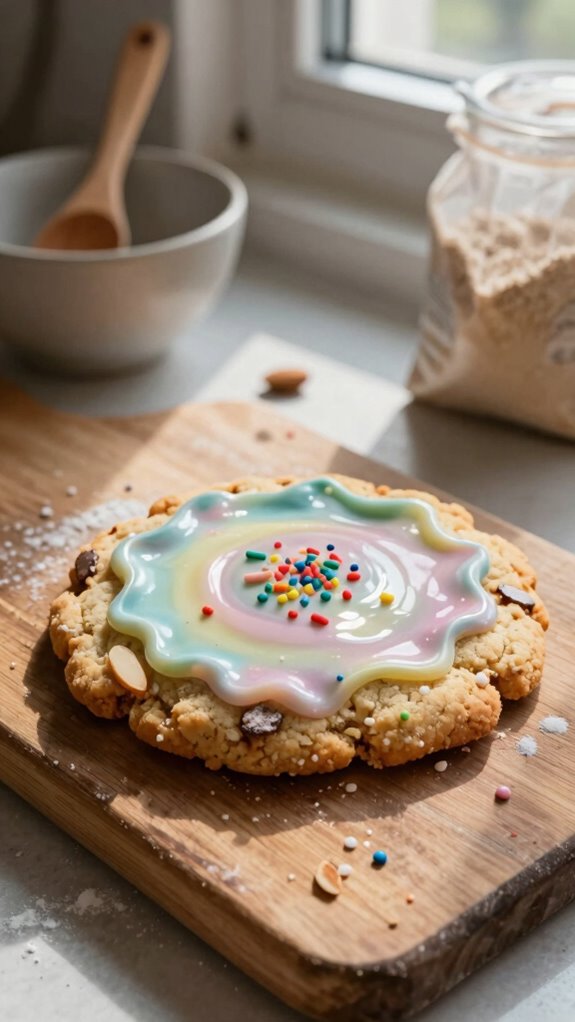
While the cookies cool, I like to think about how to plate them for maximum visual appeal.
To enhance the aesthetics, I use simple plating techniques, like arranging the cookies on a colorful platter and adding a sprinkle of edible glitter.
For presentation tips, consider using decorative parchment paper underneath and garnishing with fresh mint leaves for that extra pop.
What other dishes can I pair it with?
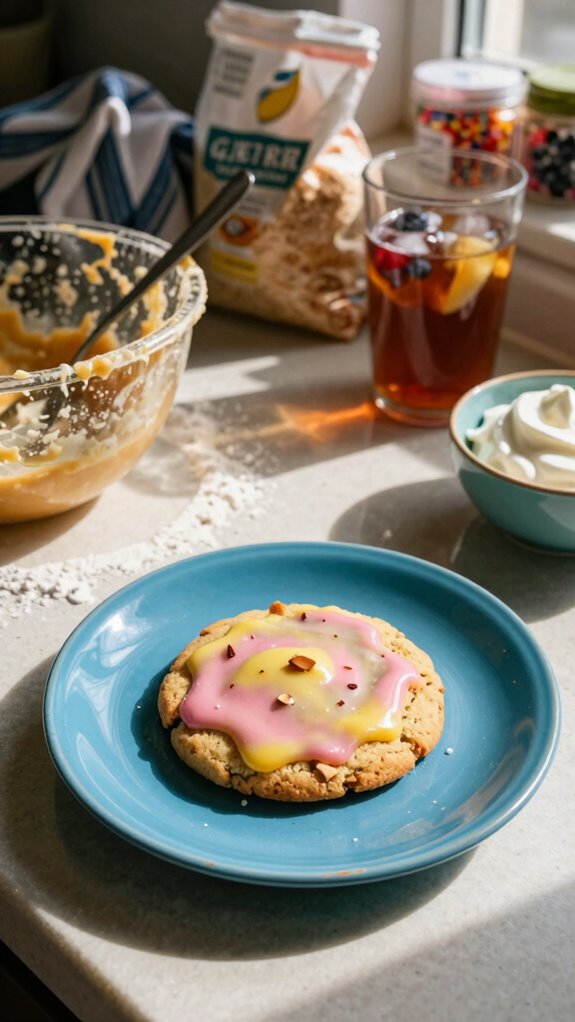
If you want to elevate your dessert experience, pairing gluten-free iced sugar cookies with complementary dishes can really enhance the flavors.
I love serving these cookies alongside fresh fruit salads or creamy vegan puddings.
You might also consider creating cookie pairings with rich dark chocolate or nut-based desserts.
These dessert options create a delightful balance that’ll impress any guest at your gathering!
What drinks can I pair it with?

What’s the best drink to complement gluten-free iced sugar cookies?
I love pairing them with a smooth cup of coffee; the rich flavors enhance the sweetness beautifully.
For a lighter option, refreshing iced tea works wonders too.
Whether you choose a classic black tea or a fruity herbal blend, each sip complements the cookie’s delicate icing perfectly.
Give them a try!
Frequently Asked Questions
Can I Use Other Types of Flour Instead of Almond Flour?
Absolutely! I’ve experimented with alternative flours like coconut or oat flour, and they work well as flour substitutes. Just keep in mind, texture and flavor might change, but it’s fun to explore different options!
How Long Do the Cookies Stay Fresh?
I’ve found that the cookies stay fresh for about a week when stored in an airtight container. Their texture remains soft and delightful, but I usually enjoy them within the first few days for optimal freshness.
Are These Cookies Suitable for Kids?
Absolutely, these cookies are suitable for kids! I love their kid-friendly flavors and the nutritional benefits of using almond flour. They’re a fun treat that my little ones enjoy, and I feel good serving them.
Can I Freeze the Cookie Dough?
Absolutely, you can freeze the cookie dough! I use airtight containers for dough preservation, ensuring I wrap it tightly. Freezing techniques help maintain freshness, so I always make extra for later baking. Enjoy!
What Is the Best Way to Store Iced Cookies?
To store iced cookies effectively, I recommend placing them in an airtight container with parchment paper. This maximizes iced cookie lifespan and keeps them fresh. I’ve found these cookie storage tips make all the difference!