As someone who appreciates the rich flavors of traditional treats, I find gluten-free Swedish ginger thin cookies, or pepparkakor, made with almond flour to be a delightful alternative. The crunchy texture and warming spices create a unique experience that appeals to both gluten-sensitive folks and anyone craving something special. Curious about how to make these cookies or ways to elevate your indulgence? Let’s explore the details together.
What kind of recipe is it?
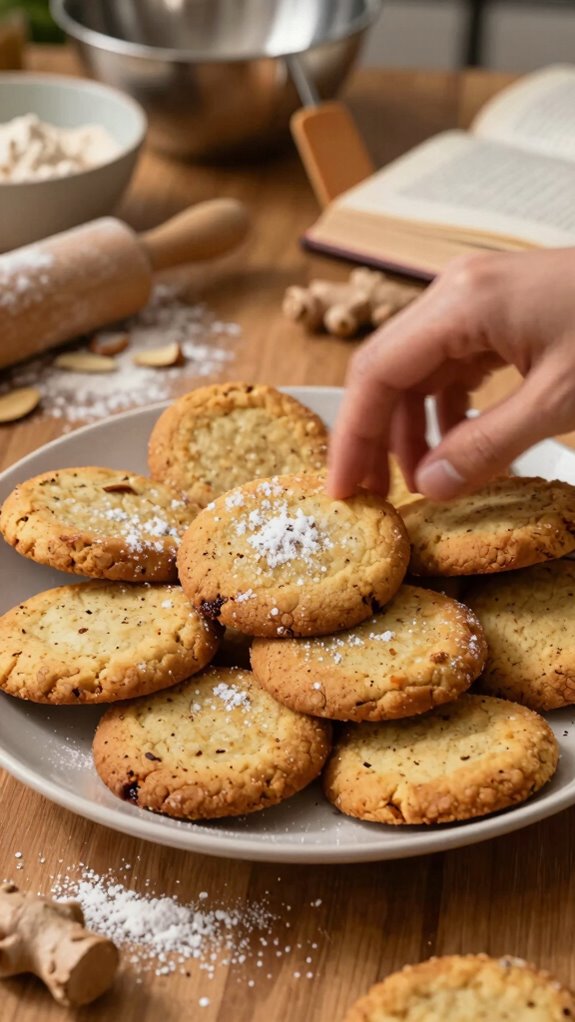
Gluten-Free Swedish Ginger Thin Cookies are a delightful treat that embody the flavors of traditional Swedish baking with a modern gluten-free twist.
These delicate, crisp cookies are infused with warm spices like ginger and cinnamon, making them perfect for the holiday season or cozy gatherings.
Ideal for those with gluten sensitivities or anyone looking to enjoy a lighter sweet, they’re easy to make and wonderfully aromatic.
Baking these cookies is a perfect way to bring people together, whether for a festive party or a quiet afternoon snack.
Preparation Time
| Detail | Information |
|---|---|
| Difficulty of the Recipe | Easy |
| Preparation Time | 15 minutes |
| Number of Servings | Approximately 24 cookies |
Ingredients
| Ingredient | Quantity |
|---|---|
| Gluten-free all-purpose flour | 1 ½ cups |
| Ground ginger | 1 tablespoon |
| Ground cinnamon | 1 teaspoon |
| Ground cloves | ½ teaspoon |
| Baking soda | 1 teaspoon |
| Salt | ½ teaspoon |
| Brown sugar | ¾ cup |
| Molasses | ¼ cup |
| Honey | 2 tablespoons |
| Unsalted butter (softened) | ½ cup (1 stick) |
| Egg | 1 large |
| Granulated sugar (for rolling) | ¼ cup |
This table outlines the essential ingredients needed to make Gluten-Free Swedish Ginger Thin Cookies, along with their respective quantities.
Essential Kitchen Equipment
| Tool/Equipment | Purpose | Alternative Option |
|---|---|---|
| Mixing Bowls (Large & Medium) | To mix dry and wet ingredients separately before combining. | Any large, deep containers or metal bowls can work if you don’t have mixing bowls. |
| Measuring Cups (Dry & Liquid) | To measure the correct amounts of flour, sugar, and liquid ingredients accurately. | Use a scale for more precision or repurpose any cup you have, ensuring consistency with your measurements. |
| Measuring Spoons | To accurately measure smaller quantities of spices, baking soda, and other ingredients. | Use a regular spoon or small cup that you know the capacity of, keeping in mind the need for accuracy. |
| Stand Mixer or Hand Mixer | To efficiently mix butter and sugars until creamy, then blend in other ingredients smoothly. | Mixing by hand with a wooden spoon is less efficient but completely feasible. |
| Rubber Spatula | To scrape down the sides of the bowl and ensure all ingredients are fully incorporated. | A wooden spoon can also be used but may not be as effective for scraping. |
| Wooden Spoon | To mix thicker cookie dough and fold in ingredients. | Any sturdy utensil, such as a metal spoon, can replace it. |
| Baking Sheets (2-3) | To bake cookies evenly and allow for multiple batches in one go. | Use a flat oven-safe tray or roasting pan lined with parchment paper if baking sheets aren’t available. |
| Parchment Paper or Silicone Mats | To prevent cookies from sticking and to promote even baking. | You can grease the baking sheets lightly if these aren’t available, though cleanup will be harder. |
| Cookie Scoop or Spoon | To portion out cookie dough into uniform sizes for even baking. | A regular tablespoon can be used for scooping; just try to keep cookie sizes consistent. |
| Cooling Rack | To allow cookies to cool evenly after baking, preventing sogginess. | A plate or countertop can work, but ensure the cookies are spaced to avoid steaming. |
| Oven Thermometer | To check that the oven is at the correct baking temperature for the best results. | You can preheat the oven and just keep an eye on it, but investing in a thermometer ensures precision in baking temperatures. |
This table provides all the essential kitchen equipment required for making Gluten-Free Swedish Ginger Thin Cookies while offering budget-friendly alternatives for each item.
Cooking Steps
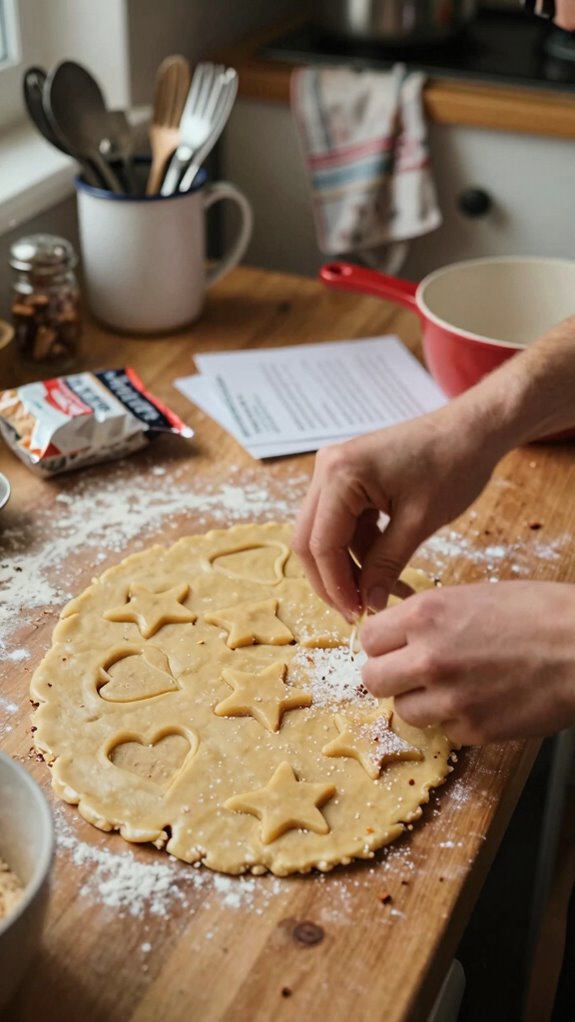
1. Mise en Place: Gather all ingredients including 120 g (1 cup) gluten-free all-purpose flour, 90 g (½ cup) brown sugar, 80 g (⅓ cup) molasses, 90 g (⅓ cup) unsalted butter at room temperature, 1 teaspoon baking soda, ½ teaspoon ground ginger, ½ teaspoon ground cinnamon, and a pinch of salt.
Set aside 75 g (½ cup) sliced almonds or additional sugar for coating if desired.
2. Preheat Oven: Preheat the oven to 175 °C (350 °F). Place the oven rack in the center position.
3. Prepare Baking Sheets****: Line 2-3 baking sheets with parchment paper or silicone mats. This will ensure the cookies don’t stick and promote even baking.
4. Mix Dry Ingredients: In a medium mixing bowl, combine 120 g (1 cup) gluten-free all-purpose flour, 1 teaspoon baking soda, ½ teaspoon ground ginger, ½ teaspoon ground cinnamon, and a pinch of salt.
Whisk these ingredients together until thoroughly combined.
5. Cream Butter and Sugar: In a large mixing bowl, using a stand mixer fitted with a paddle attachment or a hand mixer, beat 90 g (⅓ cup) unsalted butter and 90 g (½ cup) brown sugar on medium speed for 2-3 minutes until the mixture is light and fluffy, with a pale color and creamy texture.
6. Add Liquid Ingredients****: While mixing on low speed, add 80 g (⅓ cup) molasses to the creamed butter and sugar, blending until incorporated.
7. Combine Mixtures: Gradually add the dry mixture to the wet ingredients, mixing on low speed until just blended.
Scrape the sides of the bowl as necessary using a rubber spatula to ensure no dry ingredients remain.
8. Shape Cookies: Using a cookie scoop or a tablespoon, portion out the dough into uniform sizes (about 1 tablespoon each).
Place them onto the prepared baking sheets, spacing them about 5 cm (2 inches) apart to allow for spreading.
9. Optional Almond Sugar Coating: If using, gently roll each cookie ball in sliced almonds or sugar before placing it on the baking sheet.
10. Bake Cookies: Place the baking sheets in the preheated oven and bake for 10-12 minutes.
The cookies should look slightly golden around the edges and may appear soft in the center.
11. Cool Cookies: Remove the cookies from the oven and let them cool on the baking sheets for 5 minutes before transferring them to a cooling rack.
Ensure they’re spaced apart on the rack to prevent sogginess.
12. Check Doneness: The cookies are done when they’re firm to the touch and have a lightly crisp edge. They shouldn’t be overly dark but have a nice golden-brown appearance.
13. Final Cooling: Allow the cookies to cool completely on the rack before storing or serving.
If desired, let them rest at room temperature for at least 30 minutes for optimal texture.
Variations
- Chocolate Ginger Thins: Incorporate 50 g (⅓ cup) cocoa powder into the dry ingredients for a rich chocolate flavor.
- Vegan Ginger Thins: Substitute unsalted butter with 90 g (⅓ cup) coconut oil and replace molasses with maple syrup (80 g) for a dairy-free option.
- Cranberry Citrus Thins: Add 75 g (½ cup) dried cranberries and the zest of 1 orange to the dough for a festive, seasonal twist.
- Nutty Delight Thins: Mix in 50 g (⅓ cup) chopped walnuts or pecans to the dough for added crunch and flavor depth.
- Spicy Apple Thins: Incorporate 1 teaspoon of apple pie spice or 50 g (½ cup) finely chopped dried apples for a sweet and spicy variation.
- Pumpkin Spice Thins: Replace molasses with 80 g (⅓ cup) pumpkin puree and add 1 teaspoon of pumpkin spice for a seasonal autumn treat.
- Matcha Ginger Thins: Add 10 g (2 teaspoons) of matcha powder to the dry ingredients for a unique green tea flavor profile and vibrant color.
- Air-Fried Ginger Thins: Instead of baking, cook in an air fryer at 160 °C (320 °F) for 8-10 minutes for a healthier, crispy texture.
Tips on plating and presentation
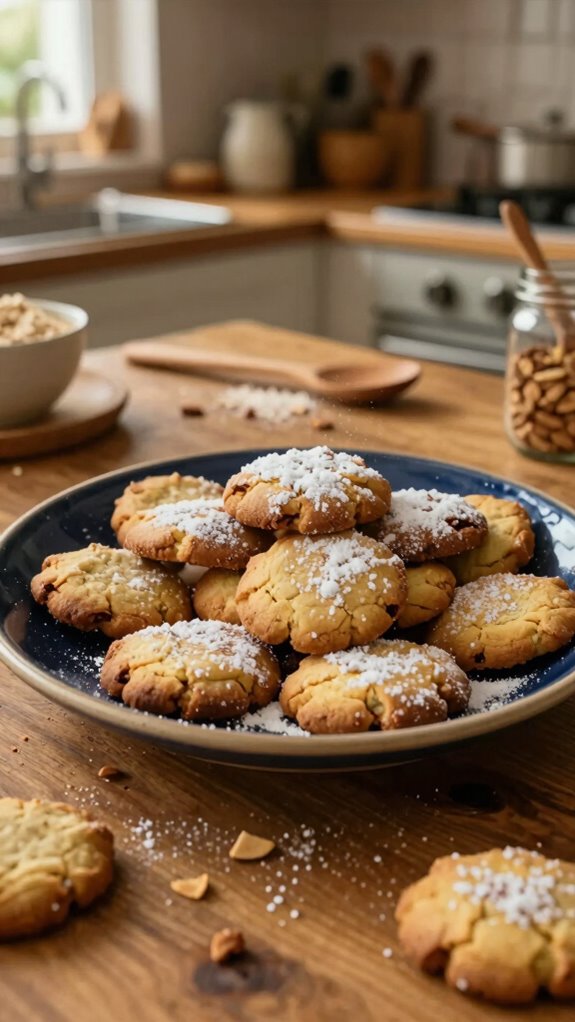
After exploring delicious variations of gluten-free Swedish ginger thin cookies, let’s talk about how to present these treats beautifully.
I love using simple plating techniques, like stacking cookies on a charming cake stand. Add decorative garnishes such as fresh mint leaves or a dusting of powdered sugar for a festive touch.
This elevates the presentation, making your cookies even more enticing. Enjoy!
What other dishes can I pair it with?
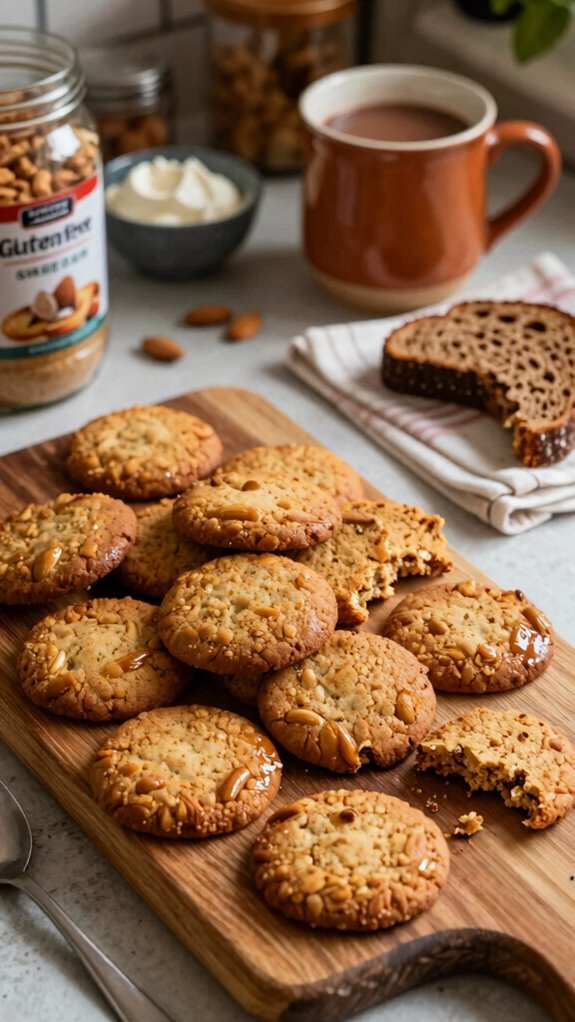
While you might think ginger thin cookies are best enjoyed on their own, they actually complement a variety of other dishes.
I love using them as a base for ginger pairing with cheeses like brie or goat cheese.
For dessert ideas, crumbling them over ice cream or mixing them into a parfait creates a delightful crunch and enhances the overall flavor experience.
What drinks can I pair it with?
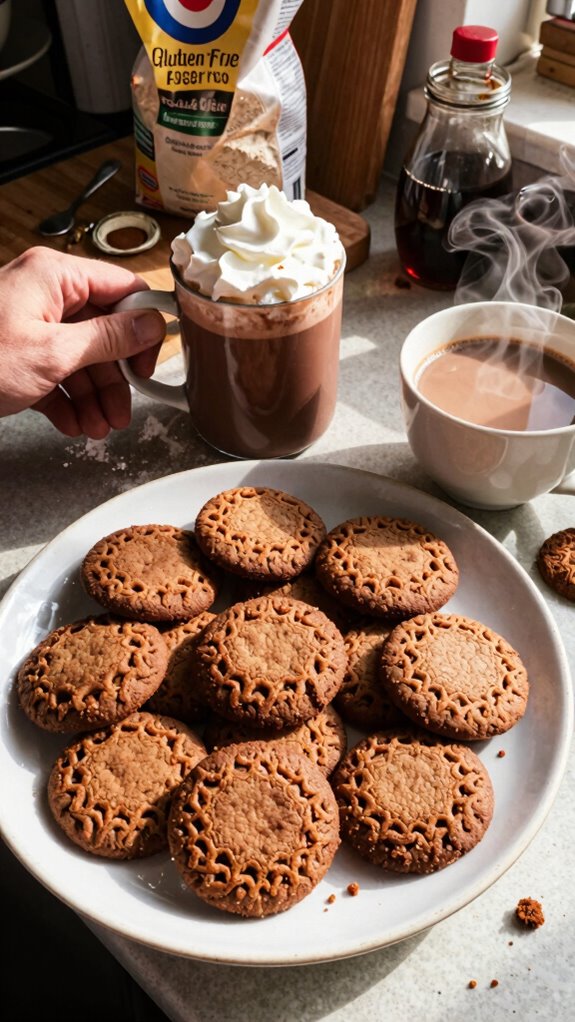
If you’re looking to elevate your experience with gluten-free Swedish ginger thin cookies, pairing them with the right drink can make all the difference.
I love a good tea pairing; a spiced chai complements the cookies beautifully. If you prefer coffee, opt for a medium roast that balances the sweetness.
Both choices enhance the warm, fragrant notes of the ginger cookies perfectly!
Frequently Asked Questions
Can I Substitute Almond Flour With Another Gluten-Free Flour?
Yes, you can substitute almond flour with another alternative gluten-free flour, like coconut or oat flour. Just remember, the flour texture will change, so adjust your liquid ingredients for the best results.
How Should I Store Leftover Ginger Thins?
I store leftover ginger thins in airtight cookie containers to keep them fresh. For the best texture, I recommend placing parchment paper between layers. Trust me, those storing tips make a difference in flavor and crunch!
What Is the Origin of Swedish Pepparkakor?
Swedish pepparkakor’s origin dates back to the medieval era, evolving through history into traditional recipes. I love how these spicy cookies reflect cultural influences, blending flavors that tell stories of celebration and festivity across generations.
Are There Any Allergens in This Recipe?
Yes, there can be common allergens in this recipe, such as nuts if you’re using almond flour. I always check for gluten-free options and other allergens to ensure it’s safe for everyone.
How Long Can I Keep These Cookies Fresh?
I find these cookies stay fresh for about a week at room temperature. For optimal shelf life, I store them in an airtight container. If you freeze them, they last up to three months!