When I first discovered the recipe for gluten-free low carb keto peppermint cookies made with almond flour, I couldn’t help but appreciate how these treats fit perfectly into a health-conscious lifestyle. The combination of nutty almond flour and refreshing peppermint makes for a satisfying sweet. If you’re curious about how to create these delicious cookies and what other pairings might enhance your experience, there’s much more to explore.
What kind of recipe is it?
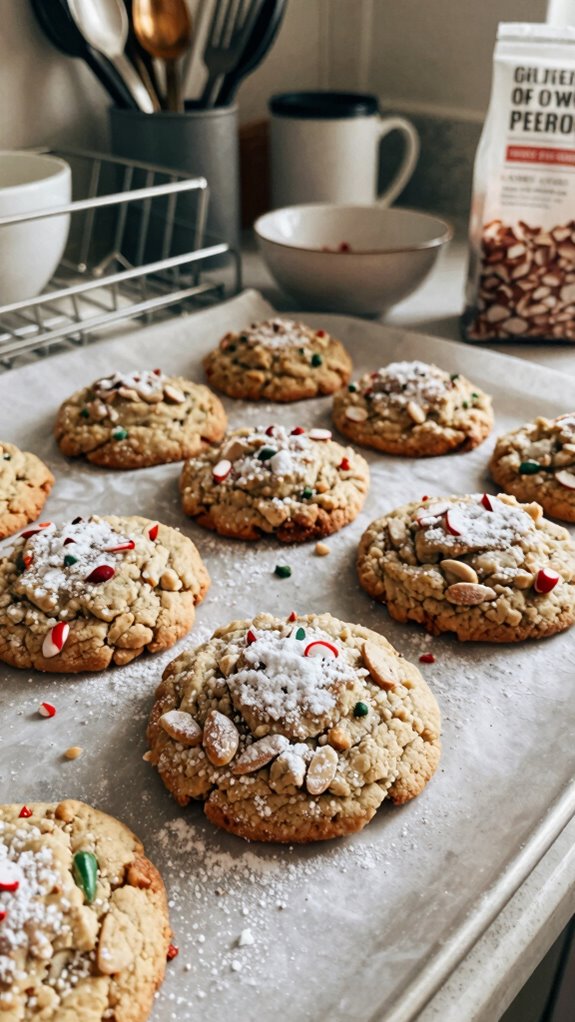
The Gluten-Free Low Carb Keto Peppermint Cookie is a delightful treat perfect for those following a ketogenic, gluten-free, or low-carb lifestyle.
This cookie stands out with its refreshing peppermint flavor and satisfying crunch, making it a festive addition for holiday gatherings or a sweet indulgence any time.
With minimal carbs and no gluten, it’s ideal for health-conscious individuals or those with dietary restrictions.
Baking this cookie not only satisfies your sweet tooth but also aligns with your wellness goals, making it a guilt-free option for all.
Preparation Time
| Category | Details |
|---|---|
| Difficulty of the Recipe | Easy |
| Preparation Time | 15 minutes |
| Number of Servings | 12 cookies |
Ingredients
Here is a detailed table of the ingredients required for the Gluten-Free Low Carb Keto Peppermint Cookie recipe:
| Ingredient | Quantity |
|---|---|
| Almond flour | 2 cups |
| Erythritol (or other sweetener) | 1 cup |
| Unsweetened cocoa powder | 1/4 cup |
| Baking powder | 1 teaspoon |
| Salt | 1/2 teaspoon |
| Large eggs | 2 |
| Unsalted butter (melted) | 1/2 cup (1 stick) |
| Peppermint extract | 1 teaspoon |
| Sugar-free chocolate chips (optional) | 1/2 cup (for added texture, optional) |
| Crushed peppermint candies (sugar-free) | For topping (optional) |
This table summarizes all the ingredients you will need to successfully prepare the Gluten-Free Low Carb Keto Peppermint Cookies.
Essential Kitchen Equipment
| Tool/Equipment | Purpose | Alternative Option |
|---|---|---|
| Mixing Bowls (Large & Medium) | To mix dry and wet ingredients separately and then combine them for the cookie dough. | Any large bowl for mixing; even a large pot can work! |
| Measuring Cups (Dry & Liquid) | To accurately measure the ingredients, ensuring the right consistency and flavor in the cookies. | A standard cup can be used for approximate measurements. |
| Measuring Spoons | To measure small quantities of ingredients like baking powder, salt, and peppermint extract accurately. | Use a tablespoon marked in milliliters (e.g., 1 tbsp = 15 ml) for rough measurement. |
| Stand Mixer or Hand Mixer | To thoroughly mix the ingredients together, especially to cream the butter and sweetener. | A whisk and elbow grease can substitute for mixing by hand. |
| Rubber Spatula | To scrape down the sides of the mixing bowl and fold the ingredients together without overmixing. | A wooden spoon can also be used, though it may not be as effective for scraping. |
| Wooden Spoon | Useful for mixing thick dough to combine the ingredients well. | A silicone spatula or even a fork can work for mixing. |
| Baking Sheets (2-3) | To place the cookie dough onto for baking the cookies. Having additional sheets allows for multiple batches. | Any flat, oven-safe dish can be used, such as a large casserole dish. |
| Parchment Paper or Silicone Mats | To line the baking sheets for easy cookie removal and to prevent sticking. | Lightly greasing the baking sheets with butter or oil can serve as an alternative. |
| Cookie Scoop or Spoon | To portion out the cookie dough for even baking sizes. | A tablespoon can also be used to scoop out the dough. |
| Cooling Rack | To allow cookies to cool evenly after baking so they set properly without becoming soggy. | A clean countertop or cutting board can temporarily serve as a cooling space. |
| Oven Thermometer | To ensure the oven is at the correct temperature for consistent baking results. | An oven thermometer app can help check the temperature periodically if no thermometer is available. |
This table summarizes all essential kitchen equipment needed to prepare the Gluten-Free Low Carb Keto Peppermint Cookies, along with their purposes and potential alternatives for budget-conscious bakers.
Cooking Steps
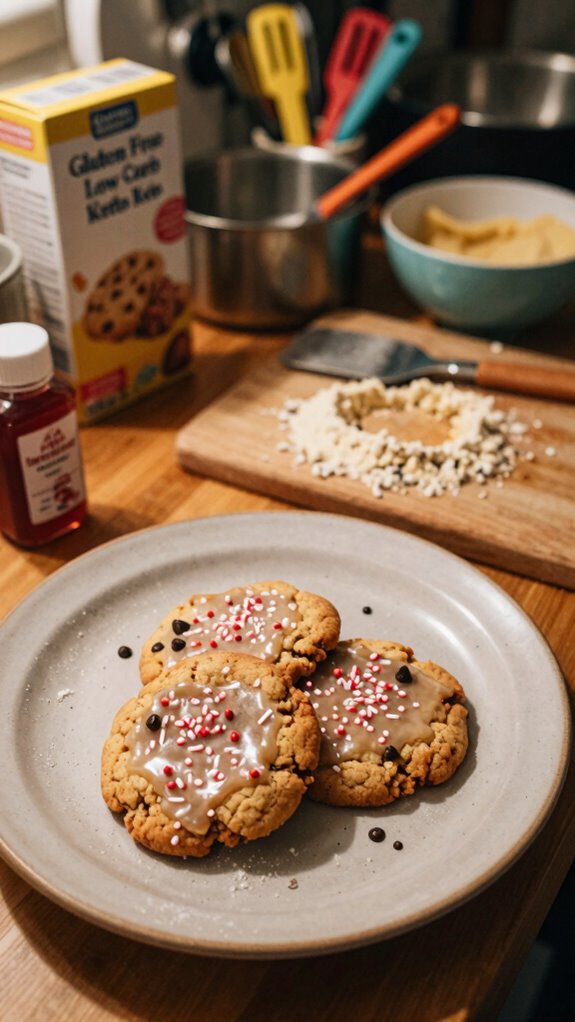
1. Mise en Place: Gather all ingredients including almond flour (240 g (2 cups)), erythritol (120 g (½ cup)), baking powder (5 g (1 tsp)), salt (1 g (¼ tsp)), unsweetened cocoa powder (15 g (2 tbsp)), peppermint extract (5 ml (1 tsp)), eggs (2 large), and melted coconut oil (120 ml (½ cup)). Set all tools and equipment in your workspace.
2. Preheat Oven: Preheat your oven to 175 °C (350 °F). Adjust the oven rack to the center position.
3. Prepare Baking Sheets: Line two baking sheets (25 x 35 cm) with parchment paper for easy cookie removal.
4. Mix Dry Ingredients: In a large mixing bowl, combine almond flour, erythritol, baking powder, salt, and cocoa powder. Whisk together until fully integrated, about 30 seconds.
5. Mix Wet Ingredients: In a medium bowl, whisk together eggs and melted coconut oil until well blended, about 1 minute. Add peppermint extract and mix for an additional 30 seconds.
6. Combine Ingredients: Pour the wet mixture into the dry mixture and use a rubber spatula to fold the ingredients together until a uniform dough forms, ensuring no dry pockets remain.
Be careful not to overmix, which should take about 1 minute.
7. Scoop Dough: Use a cookie scoop or a tablespoon to portion out equal amounts of the dough (about 30 g (2 tbsp) each) onto the prepared baking sheets, spacing them approximately 5 cm (2 inches) apart.
8. Bake Cookies: Place the baking sheets in the preheated oven and bake for 10-12 minutes. The cookies should puff up slightly and develop a firm outer texture while remaining soft in the center. They’ll be slightly darker and aromatic.
9. Cool Cookies: Remove the baking sheets from the oven and allow the cookies to cool on the sheets for 5 minutes.
Then, transfer the cookies to a cooling rack to cool completely, ensuring that the bottoms don’t become soggy.
10. Store Cookies: Once completely cooled, store the cookies in an airtight container at room temperature for up to one week, or refrigerate for longer freshness.
11. Optional Taste Test: After cooling, taste one cookie. It should be firm yet chewy, with a rich peppermint cocoa flavor and slight sweetness.
Adjust the mint if desired in future batches.
Variations
- Chocolate Chip Peppermint Cookies: Fold in sugar-free dark chocolate chips (100 g (½ cup)) for a classic chocolate chip twist.
- Coconut Peppermint Cookies: Substitute 30 g (¼ cup) of almond flour with shredded unsweetened coconut for a tropical flavor.
- Nut-Free Peppermint Cookies: Replace almond flour with sunflower seed flour (240 g (2 cups)) for a nut-free alternative.
- Vegan Peppermint Cookies: Swap eggs with flax eggs (2 tbsp ground flaxseed mixed with 6 tbsp water) and use a plant-based oil instead of coconut oil.
- Protein-Packed Peppermint Cookies: Add 30 g (¼ cup) of vanilla protein powder to the dry ingredients for an extra protein boost without altering the flavor much.
- Pumpkin Spice Peppermint Cookies: Incorporate 120 g (½ cup) of pumpkin puree and sprinkle in 1 tsp of pumpkin pie spice for a seasonal twist.
- Matcha Peppermint Cookies: Mix 10 g (2 tsp) of culinary matcha powder into the dry ingredients for a unique green tea flavor and vibrant color.
- Chewy Maple Peppermint Cookies: Replace erythritol with sugar-free maple syrup (60 ml (¼ cup)) for a sweet, maple undertone—reduce melted coconut oil to 90 ml (⅜ cup).
Tips on plating and presentation
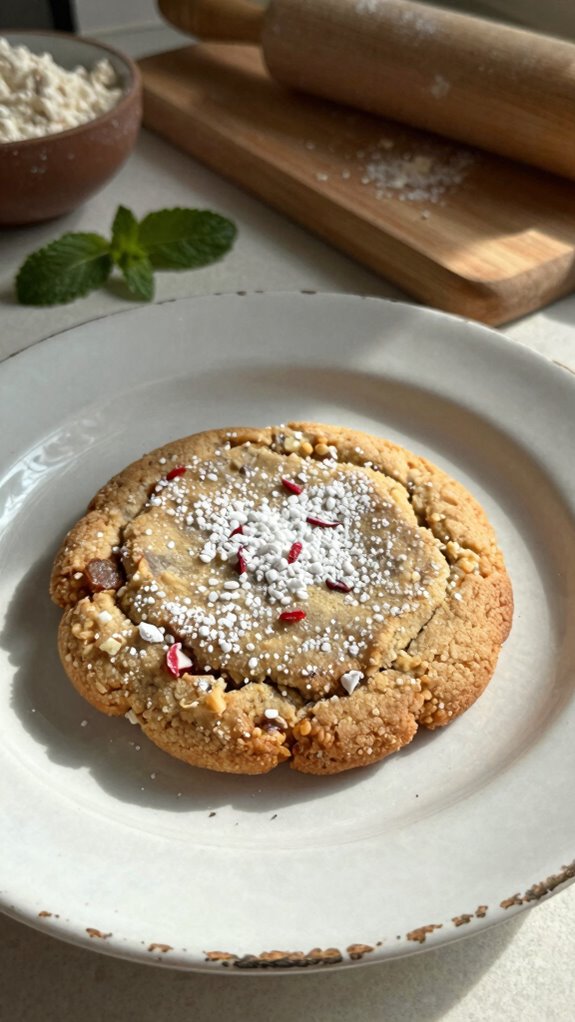
To impress your guests, pay attention to how you plate and present your gluten-free low carb keto peppermint cookies.
I love using a simple white platter for a clean look, and you can stack the cookies for height.
Dust them with powdered erythritol for elegance, and consider adding a few sprigs of fresh mint as garnish suggestions.
These little details elevate your cookie display!
What other dishes can I pair it with?
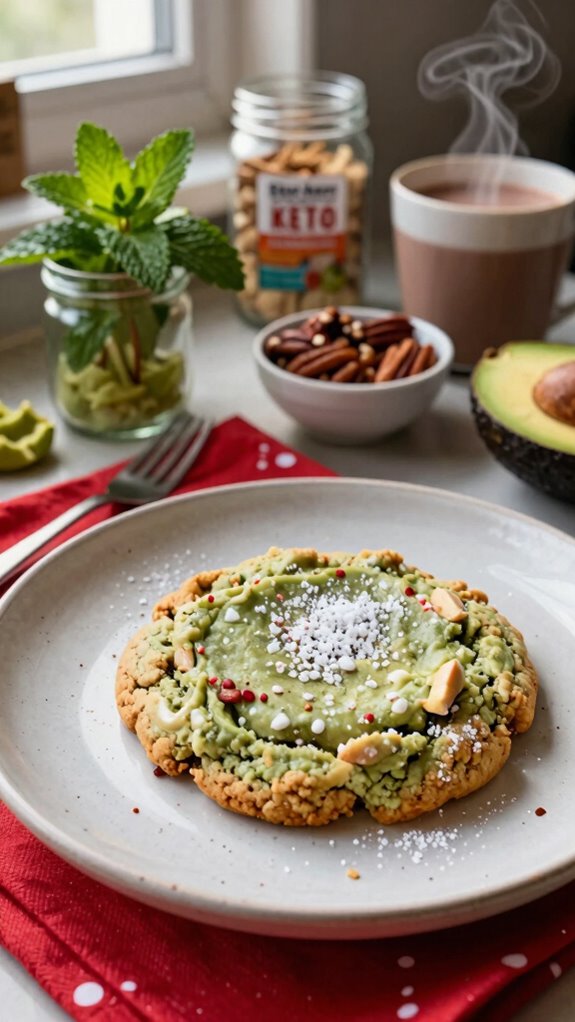
While enjoying my gluten-free low carb keto peppermint cookies, I love to pair them with a rich cup of dark roast coffee or a refreshing peppermint tea.
For delightful cookie pairings, try serving them alongside a low carb chocolate mousse or some fresh berries.
These dessert combinations elevate the experience, balancing the cookie’s sweetness with a creamy or tart contrast that’s simply irresistible!
What drinks can I pair it with?
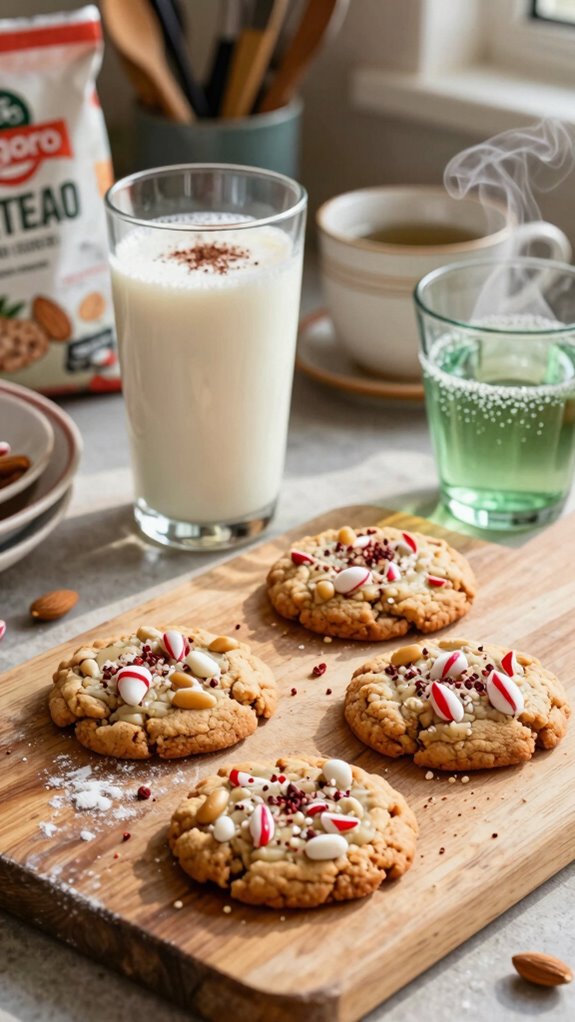
Pairing drinks with gluten-free low carb keto peppermint cookies enhances the overall enjoyment of this delightful treat.
I love serving them with warm peppermint tea for a cozy touch.
For a festive twist, try bubbling cocktails like a sugar-free mojito.
Seasonal beverages, such as a light cranberry spritzer, also complement the cookies perfectly.
You’ll find these pairings elevate your cookie experience tremendously!
Frequently Asked Questions
Can I Substitute Almond Flour With Coconut Flour?
You can substitute almond flour with coconut flour, but remember it absorbs more moisture. I usually adjust the liquid in my recipes to balance it out or use a different ratio for best results.
How Many Cookies Does This Recipe Yield?
This recipe yields about 12 cookies. For variations, you can adjust the quantities or add different flavors, but remember that these changes might affect the cookie yield. I love experimenting with recipes!
Can I Make These Cookies Vegan?
Yes, I can definitely make these cookies vegan! I use egg substitutes like flaxseed meal or applesauce for binding, and it works perfectly. You’ll enjoy the same delicious flavor without any animal products!
How Should I Store Leftover Cookies?
I store leftover cookies in an airtight container to maintain proper storage. Keeping them in a cool, dry place helps ensure cookie freshness for days. You’ll love how they stay delicious just like when baked!
What Is the Nutritional Information per Cookie?
Each cookie’s nutritional breakdown typically includes about 90 calories, 7 grams of fat, 5 grams of protein, and 2 grams of carbs. I enjoy knowing the details to help manage my diet better!