I’ve been exploring gluten-free baking recently, and gluten-free iced sugar cookies made with almond flour caught my attention. The combination of buttery sweetness and the nutty flavor of almond flour creates an intriguing texture and taste. Plus, decorating them with vibrant icing is quite enjoyable. If you’re curious about how to create these cookies and the best ways to serve them, let’s dive into the details.
What kind of recipe is it?
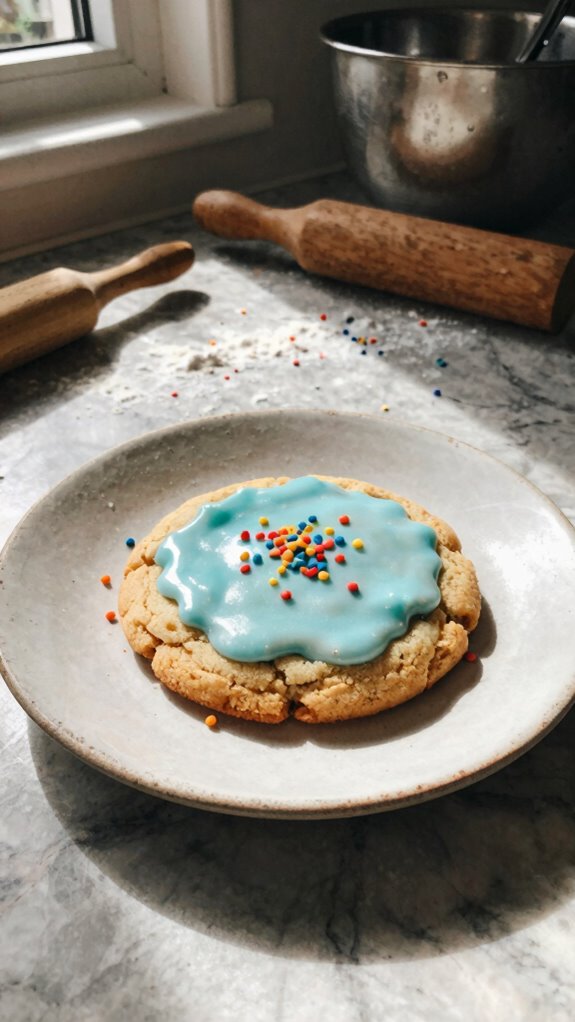
The Gluten-Free Iced Sugar Cookie is a delightful dessert that caters to those who follow a gluten-free diet while still satisfying sweet cravings.
This cookie stands out with its soft, buttery texture and beautifully decorated icing, making it perfect for special occasions or festive celebrations. Its versatility allows for customization with various colors and designs, appealing to both kids and adults alike.
Ideal for anyone looking to treat themselves or share with friends, this recipe ensures that everyone can enjoy a delicious, guilt-free treat.
Preparation Time
| Aspect | Details |
|---|---|
| Difficulty of the Recipe | Moderate |
| Preparation Time | 30 minutes (plus cooling time) |
| Number of Servings | Approximately 24 cookies |
Ingredients
| Ingredient | Quantity |
|---|---|
| Gluten-free all-purpose flour | 2 ¾ cups |
| Granulated sugar | 1 cup |
| Baking powder | 1 teaspoon |
| Salt | ½ teaspoon |
| Unsalted butter, softened | ½ cup (1 stick) |
| Large egg | 1 |
| Vanilla extract | 1 teaspoon |
| Almond extract | ½ teaspoon (optional) |
| Powdered sugar (for icing) | 2 cups |
| Milk or dairy-free alternative | 2 tablespoons |
| Food coloring (optional) | As desired |
Essential Kitchen Equipment
| Tool/Equipment | Purpose | Alternative Option |
|---|---|---|
| Mixing Bowls (Large & Medium) | For combining dry ingredients, wet ingredients, and the dough itself. | Any large bowl or deep plate can work. |
| Measuring Cups (Dry & Liquid) | For accurately measuring flour, sugar, milk, and other ingredients. | Use standardized cups from the kitchen or a pre-measured container. |
| Measuring Spoons | For measuring small quantities of ingredients like baking powder, salt, and extracts. | Use the back of a regular spoon, estimating a half or quarter in a pinch. |
| Stand Mixer or Hand Mixer | For creaming the butter and sugar together and mixing the cookie dough. | A whisk or wooden spoon can be used for manual mixing, though it may require more effort. |
| Rubber Spatula | For scraping the sides of the bowl and ensuring all ingredients are mixed evenly. | A flexible plastic or metal spatula can serve the same function. |
| Wooden Spoon | For mixing and combining ingredients, especially thick cookie dough. | Any sturdy spoon can work, such as a metal or plastic spoon. |
| Baking Sheets (2-3) | For placing the cookies while they bake in the oven. | Any flat baking tray can substitute, but ensure it has a rim to hold cookies. |
| Parchment Paper or Silicone Mats | To line the baking sheets, preventing cookies from sticking and ensuring even baking. | Greasing the baking sheets with butter or oil can be an alternative, though less effective for stickiness. |
| Cookie Scoop or Spoon | For portioning out the cookie dough to ensure uniform size and shape. | Use two tablespoons to manually scoop out the dough. |
| Cooling Rack | For cooling baked cookies evenly after they come out of the oven. | A flat surface that allows air circulation, such as another baking sheet turned upside down, can serve as a cooling area. |
| Oven Thermometer | To check the actual temperature inside the oven for precise baking conditions. | Use a simple kitchen thermometer if you have one, or check donut recipes for ambient temperature if the oven’s gauge is unreliable. |
Cooking Steps
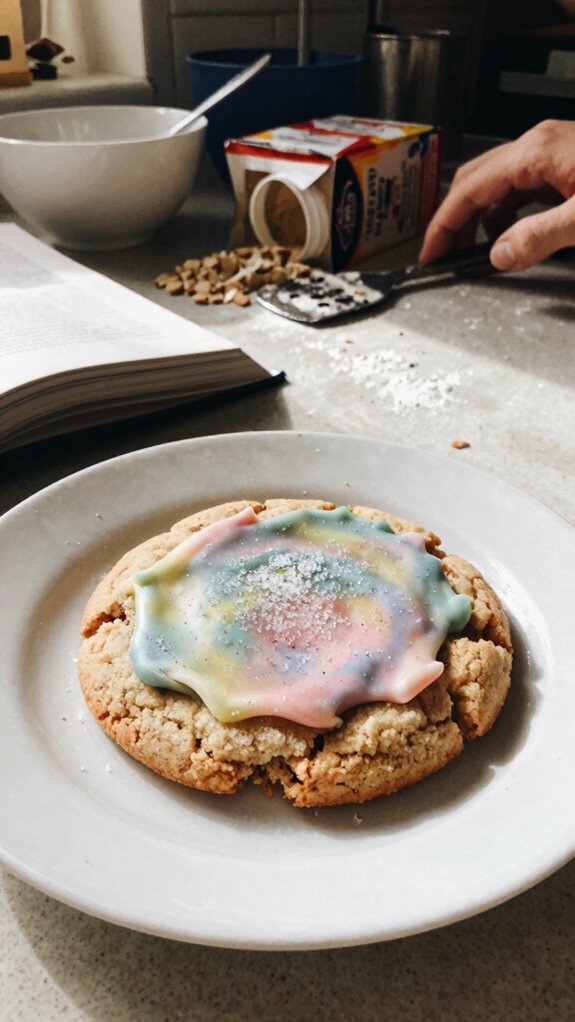
1. Prepare your mise en place by measuring out all ingredients: 200 g (1 ¾ cups) gluten-free all-purpose flour, 50 g (¼ cup) cornstarch, 100 g (½ cup) unsalted butter, 130 g (½ cup) granulated sugar, 1 large egg, 5 ml (1 tsp) vanilla extract, 2 g (½ tsp) baking powder, and a pinch of salt.
2. Preheat the oven to 180 °C (350 °F), positioning the rack in the center of the oven. Line two baking sheets (approximately 38 x 26 cm or 15 x 10 inches) with parchment paper or silicone mats.
3. In a large mixing bowl, combine 200 g gluten-free all-purpose flour, 50 g cornstarch, 2 g baking powder, and a pinch of salt. Whisk together until evenly mixed and set aside.
4. In a medium bowl, use a stand mixer on medium setting to cream together 100 g unsalted butter and 130 g granulated sugar for about 2-3 minutes until the mixture becomes light and fluffy.
If using a hand mixer, mix approximately 4-5 minutes or cream by hand with a wooden spoon, which may take more effort.
5. Add 1 large egg and 5 ml vanilla extract to the butter-sugar mixture. Beat until thoroughly incorporated, about 1-2 minutes.
6. Gradually add the flour mixture to the wet ingredients while mixing on low speed until just combined, about 1-2 minutes.
Scrape down the sides of the bowl occasionally with a rubber spatula to ensure even mixing.
7. Use a cookie scoop or two tablespoons to portion out the dough, placing each mound on the prepared baking sheets, spaced about 5 cm (2 inches) apart.
8. Bake in the preheated oven for 10-12 minutes, or until the edges are lightly golden.
The centers may appear slightly soft but will firm up as they cool.
9. Remove the baking sheets from the oven and allow the cookies to cool on the sheets for about 5 minutes.
Then, transfer them to a cooling rack to cool completely for at least 30 minutes before icing.
10. (Optional) If icing cookies, prepare your favorite gluten-free icing once the cookies are completely cooled.
Aim for a glossy finish that holds shapes when piped or spread.
11. Allow icing to set for at least 1 hour before serving or storing, ensuring cookies maintain their decorative finish.
Variations
- Lemon Zest Sugar Cookies: Add 15 g (1 tbsp) of fresh lemon zest to the dough for a bright, citrusy flavor.
- Almond Flour Cookies: Substitute 100 g (1 cup) of gluten-free all-purpose flour with almond flour for a nutty taste and a denser texture.
- Cinnamon-Spice Cookies: Mix in 5 g (1 tsp) of ground cinnamon and 2 g (½ tsp) of nutmeg to the flour mixture for a warm, spicy flavor.
- Coconut Sugar Cookies: Replace granulated sugar with 130 g (½ cup) of coconut sugar for a caramel-like sweetness and sugar-free option.
- Dairy-Free Cookies: Use 100 g (½ cup) of dairy-free butter or coconut oil instead of unsalted butter to create a dairy-free version.
- Vegan Sugar Cookies: Replace the egg with 60 ml (¼ cup) of unsweetened applesauce for a vegan alternative that maintains moisture.
- Pumpkin Spice Cookies: Add 100 g (½ cup) of pumpkin puree and 5 g (1 tsp) of pumpkin pie spice for a seasonal twist perfect for fall.
- Grilled Sugar Cookies: Form the dough into patties and grill for 3-4 minutes on each side for a unique smoky flavor and slightly toasted texture.
Tips on plating and presentation
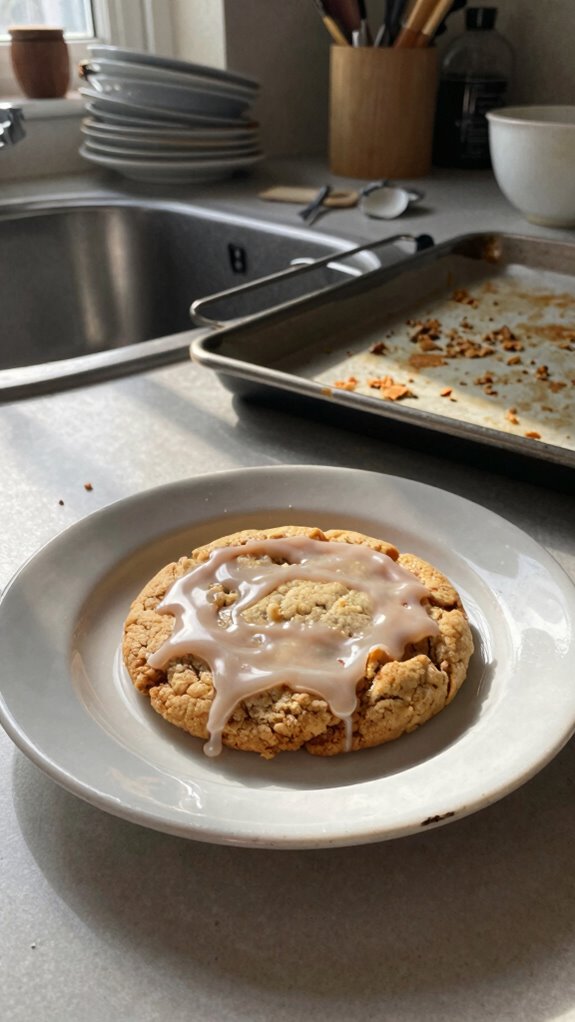
After experimenting with various delightful flavor variations, I can’t help but highlight the importance of plating and presentation when it comes to showcasing your gluten-free iced sugar cookies.
Try using elegant plating techniques, like stacking or arranging cookies on a decorative platter. For cookie decoration, consider adding colorful sprinkles or edible flowers to elevate the visual appeal and make your cookies truly stand out.
What other dishes can I pair it with?
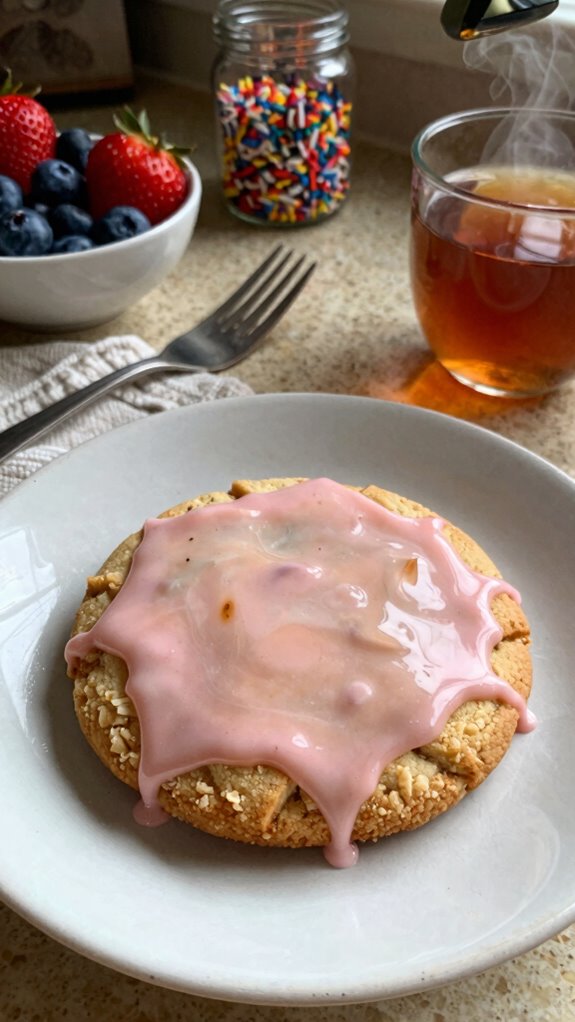
While enjoying your gluten-free iced sugar cookies, you might wonder what other dishes could complement their sweet, buttery flavor.
I love pairing them with fresh fruit like strawberries or a light fruit salad. For snack options, consider serving them alongside a mixed nut platter.
These dessert pairings enhance the cookies’ taste while adding variety to your snack experience!
What drinks can I pair it with?
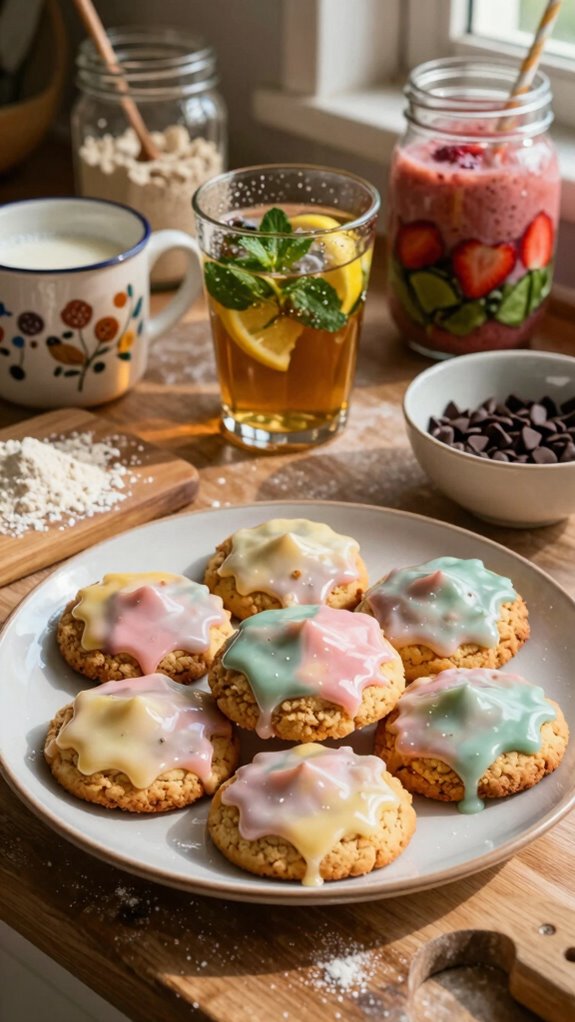
To elevate your experience with gluten-free iced sugar cookies, consider the perfect drinks to accompany them.
I love pairing these cookies with a rich coffee, like a dark roast or mocha, which complements their sweetness beautifully.
Alternatively, a calming herbal tea, such as chamomile or peppermint, offers a delightful contrast.
Each sip enhances the cookie’s flavor, making for an enjoyable treat.
Frequently Asked Questions
Can I Substitute Almond Flour With Another Gluten-Free Flour?
Absolutely, you can substitute almond flour with other gluten-free flours like coconut or oat flour. Just keep in mind that each one has unique properties, so adjust your ratios accordingly for the best results!
How Can I Make the Cookies Dairy-Free?
I make my cookies dairy-free by using coconut milk as a substitute. It adds a lovely flavor and moisture. You can also try almond milk or any other dairy-free substitutes that you prefer.
What Is the Best Way to Store Iced Sugar Cookies?
The best way to store iced sugar cookies is in an airtight container. It keeps the cookie moisture intact and prevents them from drying out. I always place parchment paper between layers for added protection.
How Long Do These Cookies Stay Fresh?
I’ve found that these cookies stay fresh for about a week at room temperature. For longer cookie lifespan, I recommend storing them in an airtight container. That’s my top freshness tip to keep them delightful!
Can Children Help in Making These Cookies?
Absolutely, kids can help! I love involving them in baking techniques, from mixing dough to cookie decoration. They enjoy getting creative with icing, making the experience fun and memorable for everyone involved.