When it comes to cookies, brown butter shortbread has a charm that’s hard to resist. I appreciate how it takes a classic recipe and transforms it into something uniquely delightful with its nutty aroma and tender texture. There’s something satisfying about the balance of sweetness and a hint of salt. But what’s even more intriguing is how simple it is to make, yet the end result feels indulgently sophisticated. Let’s explore how to achieve this balance together.
What kind of recipe is it?
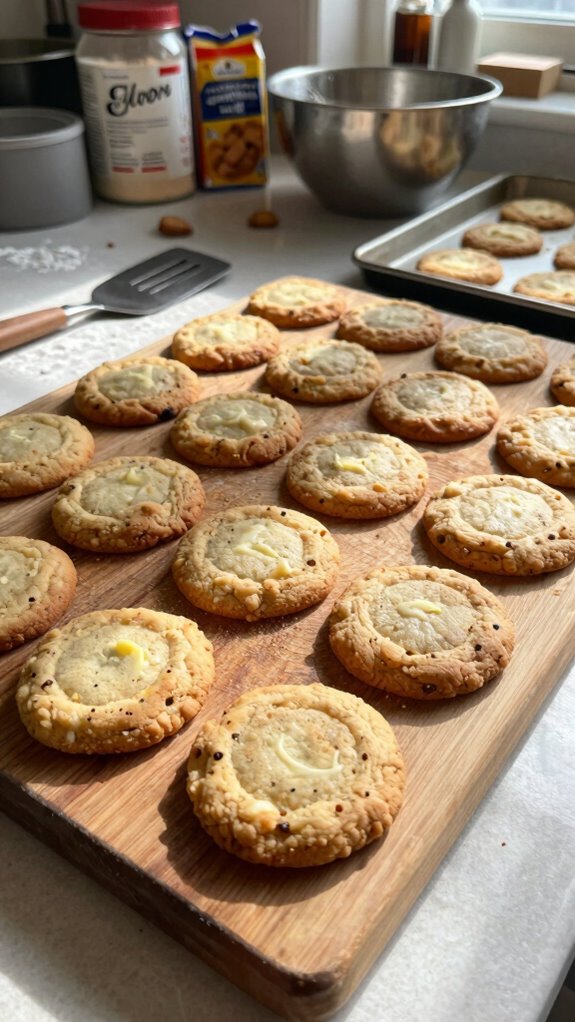
Brown Butter Shortbread Cookies are a delightful twist on the classic buttery treat, featuring the rich, nutty flavor of browned butter.
These cookies are exceptionally tender and crumbly, with a beautifully fragrant aroma that comes from the toasting process.
Ideal for cookie enthusiasts and anyone looking to impress at gatherings or holiday events, they make for a perfect afternoon snack or dessert.
The simplicity of the recipe appeals to both novice bakers and seasoned cooks, making it a must-try for all.
Preparation Time
| Detail | Description |
|---|---|
| Difficulty of the Recipe | Easy |
| Preparation Time | 20 minutes |
| Number of Servings | 24 cookies |
Ingredients
| Ingredient | Quantity |
|---|---|
| Unsalted Butter | 1 cup (2 sticks) |
| Granulated Sugar | 3/4 cup |
| Brown Sugar | 1/4 cup |
| All-Purpose Flour | 2 cups |
| Salt | 1/2 teaspoon |
| Vanilla Extract | 1 teaspoon |
Essential Kitchen Equipment
| Tool/Equipment | Purpose | Alternative Option |
|---|---|---|
| Mixing Bowls (Large/Medium) | Used to mix ingredients together; larger bowl for dough, medium for smaller quantities. | Any large bowl (even a clean pot or casserole dish) can be used. |
| Measuring Cups (Dry & Liquid) | Essential for accurately measuring flour, sugar, and butter; dry for solids, liquid for wet ingredients. | Use a scale for precision; one cup can be substituted with any container of known volume, like a mug. |
| Measuring Spoons | Used for measuring smaller quantities like salt and vanilla extract. | You can use any small spoon for rough measurements (just keep in mind the variations). |
| Stand Mixer/Hand Mixer | Facilitates smooth mixing and incorporation of butter and sugars; helps achieve a creamy texture. | A wooden spoon can be used for manual mixing, but may require more effort. |
| Rubber Spatula | Great for scraping down the sides of bowls to ensure all ingredients are well blended. | A silicone or wooden spoon can work, though it may not scrape as effectively. |
| Wooden Spoon | Useful for mixing ingredients manually; durable and good for stirring thick dough. | A plastic or metal spoon can substitute, but may not be as sturdy as wood. |
| Baking Sheets (2-3) | Provides a flat surface for baking cookies evenly; multiple sheets allow for batch processing. | Any flat oven-safe trays can suffice if proper spacing is ensured. |
| Parchment Paper/Silicone Mats | Prevents cookies from sticking to the baking sheets, ensuring easy removal and cleanup. | Lightly greasing the baking sheets can be an alternative, but may lead to sticking. |
| Cookie Scoop or Spoon | Helps in portioning out uniform cookie sizes for even baking. | A regular tablespoon can be used, though sizes may vary. |
| Cooling Rack | Allows cookies to cool evenly and avoids sogginess by promoting airflow underneath. | A plate can work in a pinch, but may not provide the same airflow. |
| Oven Thermometer | Ensures the oven is at the accurate temperature for baking, critical for shortbread texture. | For a rough estimate, you can check if the oven’s preheating indicator light goes off, but this is less reliable. |
Cooking Steps
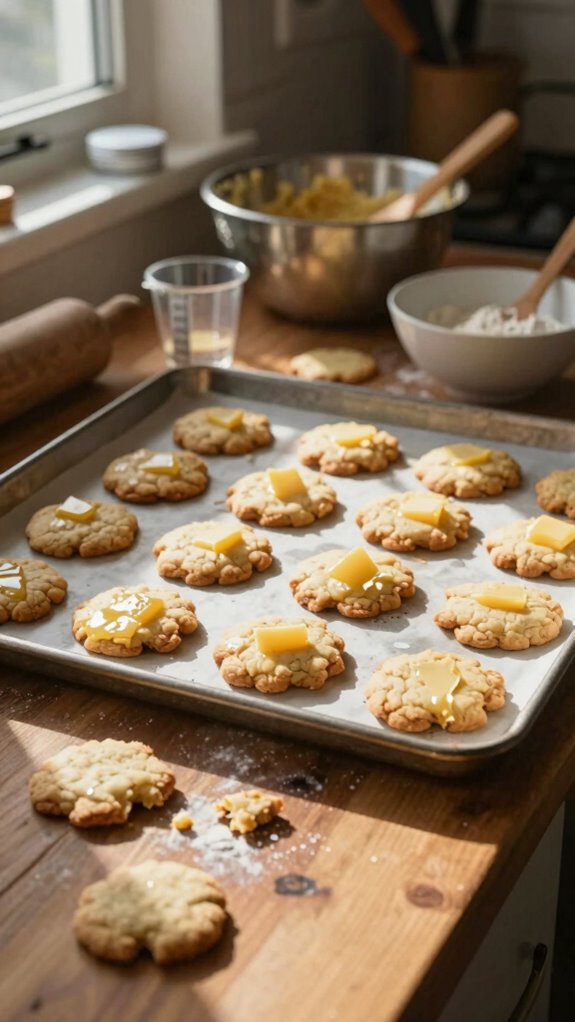
- Begin with mise en place by gathering all necessary ingredients: 115 g (1 stick) unsalted butter, 60 g (½ cup) granulated sugar, ½ tsp (2.5 ml) salt, and 150 g (1 cup) all-purpose flour. Ensure your workspace is clean and organized.
- Preheat your oven to 175 °C (350 °F). Position the baking rack in the middle of the oven to ensure even baking.
- In a medium mixing bowl, melt the butter over low heat in a small saucepan or microwave, stirring occasionally until it becomes golden brown and develops a nutty aroma, about 5–7 minutes on stovetop or 1–2 minutes in the microwave.
- Remove from heat and let cool slightly.
- In the same bowl, add the granulated sugar and salt to the browned butter. Use a hand mixer or stand mixer on medium speed to cream the mixture until light and fluffy, approximately 2–3 minutes. Alternatively, use a wooden spoon to mix by hand, which will require more effort.
- Gradually add the all-purpose flour to the butter-sugar mixture. Mix on low speed (or stir gently with a rubber spatula) until just combined and a soft dough forms. Don’t overmix; the dough should be slightly crumbly yet hold together when pressed.
- Line a baking sheet with parchment paper or a silicone baking mat. If unavailable, lightly grease the baking sheet with butter or non-stick spray.
- Using a cookie scoop or a tablespoon, portion out the dough into even balls, about 30 g (2 tbsp) each, and space them 5 cm (2 inches) apart on the prepared baking sheet. Flatten each ball slightly with your fingers or the bottom of a glass for even baking.
- Bake in the preheated oven for 12–15 minutes or until the edges turn lightly golden and the cookies are firm to the touch. For even more uniformity, rotate the baking sheet halfway through baking.
- Once done, remove the baking sheet from the oven and allow the cookies to cool on the sheet for 5 minutes before transferring them to a cooling rack to cool completely. This will help prevent sogginess by promoting airflow underneath the cookies.
- Allow the shortbread cookies to cool for at least 10–15 minutes on the cooling rack. They should feel firm and dry to the touch. Store in an airtight container for up to a week at room temperature.
Variations
- Chocolate Chip Brown Butter Shortbread: Add 100 g (½ cup) of semi-sweet chocolate chips to the dough for a rich and indulgent twist.
- Almond Flour Shortbread (Gluten-Free): Substitute all-purpose flour with 150 g (1 cup) of almond flour for a gluten-free variation with a nutty flavor.
- Lemon Zest Shortbread: Incorporate the zest of 1 medium lemon for a refreshing citrus twist that brightens the flavor.
- Dairy-Free Coconut Shortbread: Replace unsalted butter with 115 g (1 stick) of solid coconut oil for a dairy-free option with a hint of coconut flavor.
- Pumpkin Spice Shortbread: Mix in 1 tsp (5 ml) of pumpkin pie spice and 50 g (¼ cup) of pumpkin purée for a seasonal fall flavor.
- Maple Pecan Shortbread: Use 60 g (¼ cup) of maple syrup instead of granulated sugar and fold in 75 g (1 cup) of chopped pecans for a sweet and crunchy treat.
- Vegan Brown Butter Shortbread: Replace butter with an equal amount of vegan butter and ensure using a plant-based sugar for a completely vegan version.
- Savory Herbed Shortbread: Add 1 tsp (5 ml) of dried rosemary, thyme, or your favorite herb for a unique savory option perfect with cheese plates.
Tips on plating and presentation
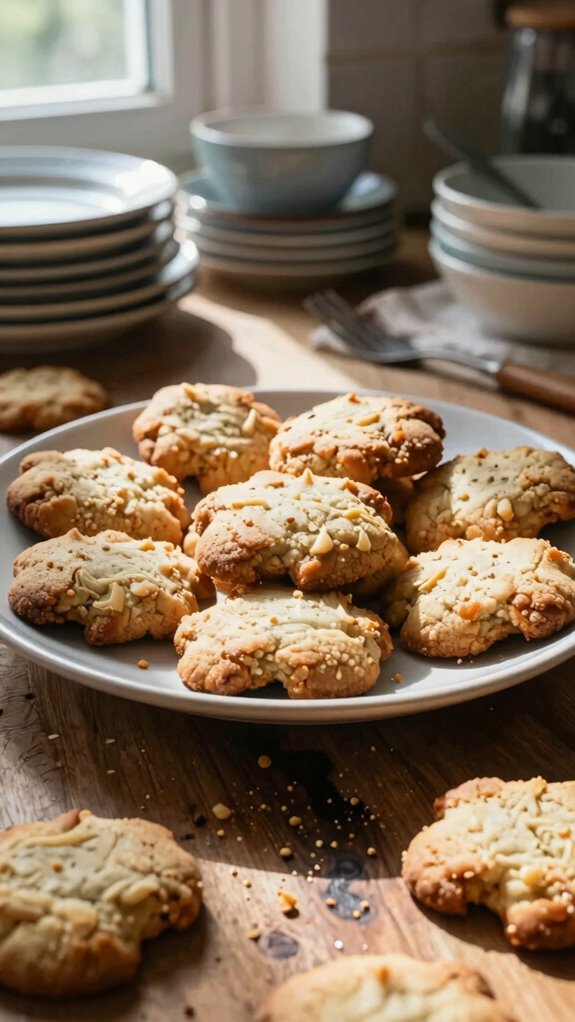
To make your brown butter shortbread cookies truly stand out, consider the art of plating and presentation as a vital step in the baking process.
I love using simple plating techniques, like arranging the cookies on a rustic wooden board or stacking them in a fun shape, to enhance their visual appeal.
A sprinkle of sea salt or a dusting of powdered sugar adds the perfect finishing touch!
What other dishes can I pair it with?
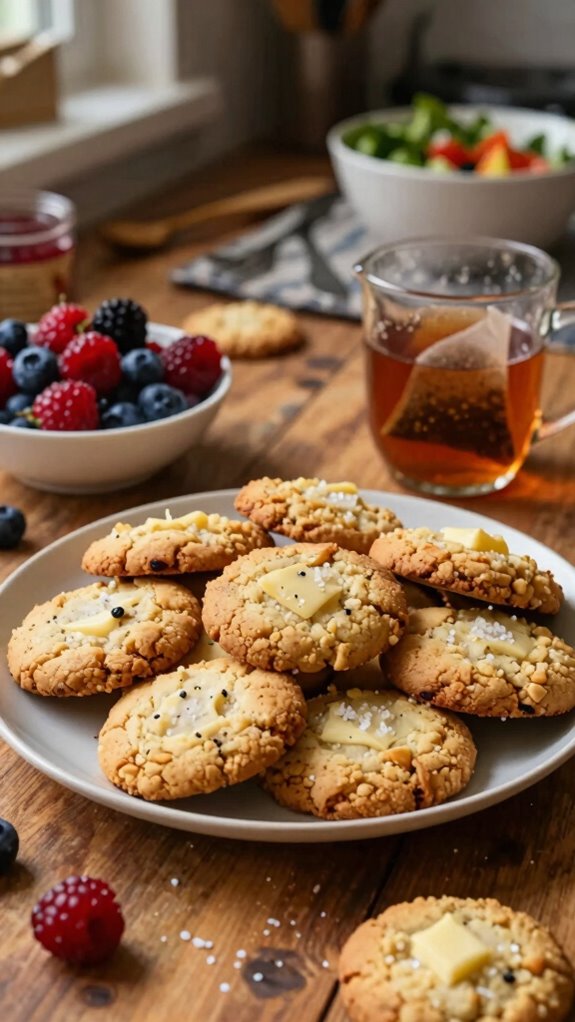
After your brown butter shortbread cookies are beautifully presented, it’s time to think about what dishes can complement them.
I love pairing them with a delightful dessert charcuterie board, featuring an array of fruits, cheeses, and chocolates.
They’re also perfect for afternoon tea, alongside fragrant tea sandwiches and scones.
These combinations truly elevate the experience and make every bite memorable!
What drinks can I pair it with?
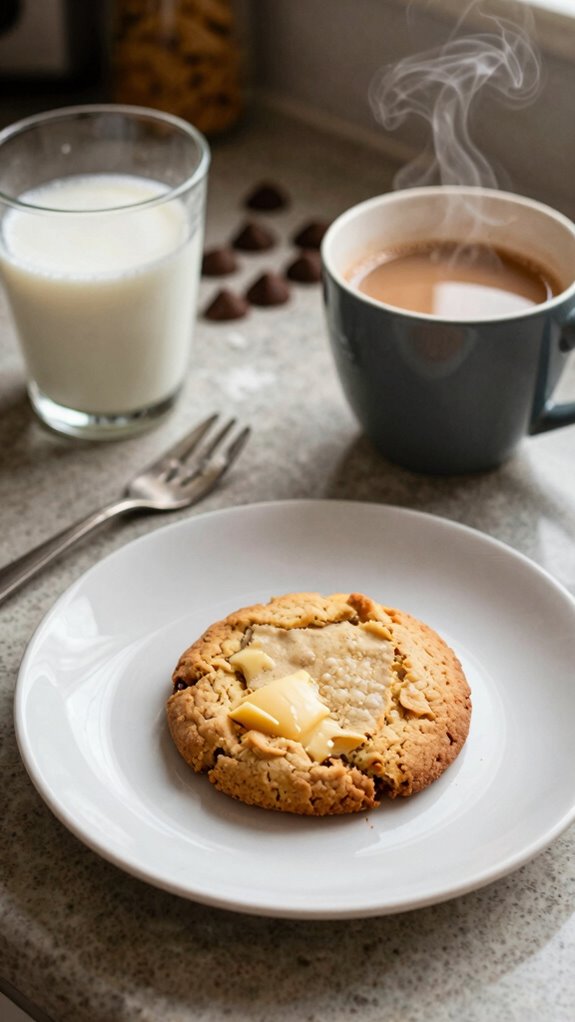
What drinks can truly enhance the flavor of brown butter shortbread cookies?
I love pairing them with a rich cup of coffee; a smooth espresso or creamy latte works wonders.
For a lighter option, try a delicate Earl Grey or chamomile tea.
These beverages perfectly complement the buttery notes, creating a delightful experience with every bite and sip.
Enjoy your perfect pairing!
Frequently Asked Questions
Can I Make This Cookie Vegan-Friendly?
Yes, you can make this cookie vegan-friendly! I use vegan butter alternatives like coconut oil and plant-based sweeteners like maple syrup. It’s delicious, and I promise you won’t miss the traditional ingredients!
How Should I Store Leftover Cookies?
I store my leftover cookies in proper containers to keep them fresh. Airtight containers work best, and I make sure to keep them in a cool, dry place. This way, they stay delicious for longer!
Can I Freeze the Cookie Dough?
Absolutely, I can freeze the cookie dough! I use proper freezing techniques by wrapping it tightly. For thawing methods, I let it sit in the fridge overnight before baking—perfect for fresh cookies anytime I crave them!
What Is the Origin of Shortbread Cookies?
Shortbread cookies trace their roots to Scottish heritage, evolving from traditional recipes over centuries. I find it fascinating how these simple ingredients transformed into a beloved treat, bringing a taste of history to every bite.
How Do I Know When the Cookies Are Done?
I usually know my cookies are done when they’re golden around the edges and have that perfect cookie texture—slightly firm but still a bit soft in the center. Keep an eye on the baking temperature!