As the holiday season approaches, I find myself gravitating towards classic recipes that warm both the heart and home. Dark Chocolate Bredele, with their rich, bittersweet flavor and elegant simplicity, have become a staple in my holiday baking repertoire. Each bite offers a luxurious experience, making them perfect for gatherings. But what truly makes these cookies stand out? Let’s explore their alluring qualities and discover ways to elevate your cookie game this season.
What kind of recipe is it?
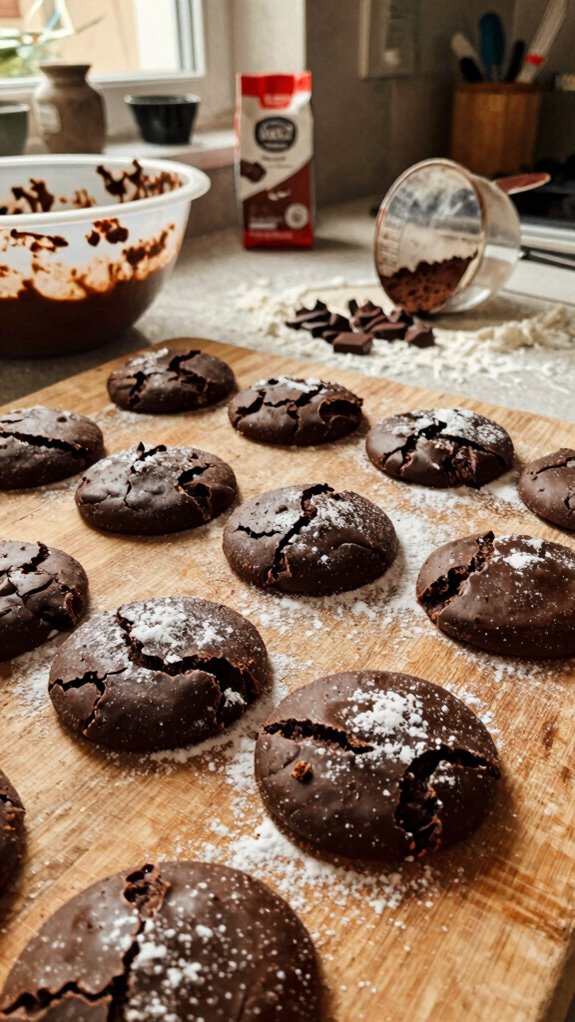
Dark Chocolate Bredele are delectable festive cookies hailing from the Alsatian region of France, known for their rich flavor and delightful texture.
Made with high-quality dark chocolate and a blend of traditional ingredients, these cookies are both sophisticated and indulgent.
Their unique combination of sweetness and bitterness makes them perfect for chocolate lovers.
Ideal for holiday gatherings or cozy evenings at home, these treats are aimed at anyone looking to elevate their dessert experience or impress guests with an exquisite homemade confection.
Preparation Time
| Aspect | Details |
|---|---|
| Difficulty of the Recipe | Intermediate |
| Preparation Time | Approximately 20-25 minutes |
| Number of Servings | About 24 cookies |
Ingredients
| Ingredient | Quantity |
|---|---|
| Dark chocolate chips | 200 grams (about 7 oz) |
| Unsalted butter | 100 grams (about 3.5 oz) |
| Granulated sugar | 150 grams (about ¾ cup) |
| Brown sugar | 100 grams (about ½ cup packed) |
| Eggs | 2 large |
| All-purpose flour | 200 grams (about 1 ½ cups) |
| Cocoa powder | 30 grams (about ¼ cup) |
| Baking powder | 1 teaspoon |
| Salt | ½ teaspoon |
| Vanilla extract | 1 teaspoon |
| Chopped nuts (optional) | 100 grams (about 1 cup, such as walnuts or pecans) |
Feel free to adjust the optional ingredients according to your tastes!
Essential Kitchen Equipment
| Tool/Equipment | Purpose | Alternative Option |
|---|---|---|
| Mixing bowls (large and medium) | Used for combining wet and dry ingredients as well as mixing the dough. | Any large bowl that is clean and sturdy, such as a salad bowl. |
| Measuring cups (dry and liquid) | To accurately measure ingredients like flour, sugar, and liquid components. | Use a glass cup or a yogurt container for approximation. |
| Measuring spoons | Essential for measuring small quantities such as baking powder, salt, and vanilla extract. | A standard tablespoon or teaspoon can work for rough measurements. |
| Stand mixer or hand mixer | Helps to efficiently mix ingredients, particularly for creaming butter and sugar. | A whisk or wooden spoon can be used; however, it requires more effort. |
| Rubber spatula | Useful for scraping down the sides of the bowl and ensuring all ingredients are combined well. | A spoon can work, but a spatula makes it easier to incorporate everything. |
| Wooden spoon | Another mixing tool for folding in ingredients, especially for thicker doughs. | Any sturdy spoon can be used, although a wooden spoon is more durable for thick mixtures. |
| Baking sheets (2-3) | Needed to bake the cookies evenly; multiple sheets allow for baking in batches. | Use any oven-safe flat trays; check for safe materials if reusing old pans. |
| Parchment paper or silicone mats | Prevents the cookies from sticking to the baking sheets and ensures even baking. | Grease the baking sheets with butter or oil if parchment or silicone mats are unavailable. |
| Cookie scoop or spoon | Helps to portion out the cookie dough consistently for even baking. | Use two spoons to shape dough into balls if a scoop is not available. |
| Cooling rack | Allows cookies to cool evenly and prevents them from becoming soggy. | Place cookies on a clean cutting board or countertop to cool if a rack isn’t available. |
| Oven thermometer | Ensures the oven is at the correct temperature for baking, crucial for best results. | Use an oven timer to monitor baking time and adjust if necessary, though accuracy may vary. |
This table will equip you with the essential tools and budget-friendly alternatives for making Dark Chocolate Bredele, ensuring you have the right setup for your baking session.
Cooking Steps
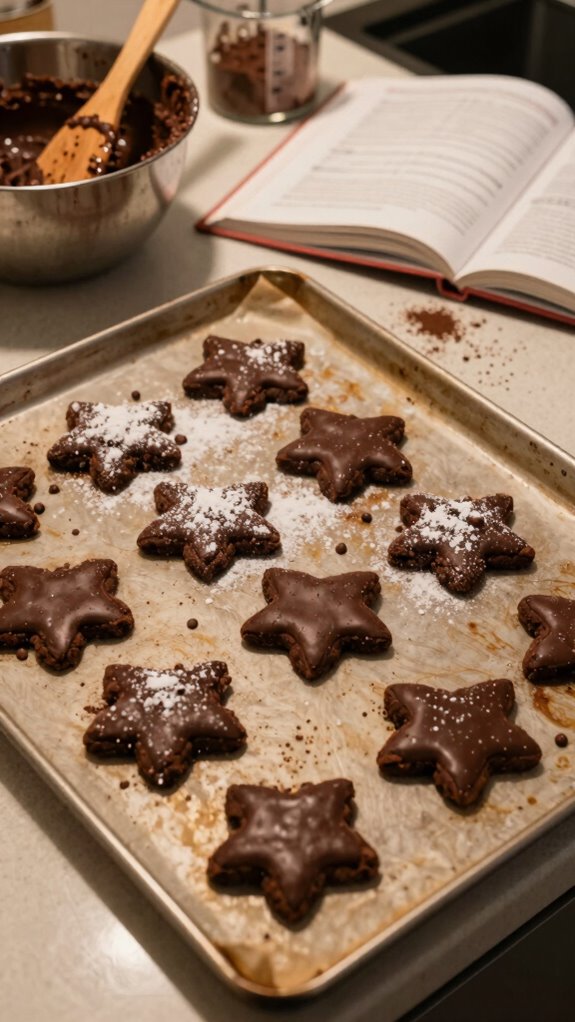
1. Begin with mise en place: measure 200 g (1 ⅔ cups) all-purpose flour, 50 g (½ cup) unsweetened cocoa powder, 5 g (1 tsp) baking powder, and a pinch of salt into separate bowls. Measure 125 g (½ cup) unsalted butter at room temperature, 150 g (¾ cup) granulated sugar, 1 large egg, and 5 ml (1 tsp) pure vanilla extract.
2. Preheat the oven to 180 °C (350 °F) and position the oven rack in the center. Line two baking sheets with parchment paper or silicone mats.
3. In a large mixing bowl, cream together the softened butter and granulated sugar using a stand mixer fitted with a paddle attachment on medium speed until light and fluffy, about 3-5 minutes.
This mixture should look pale and aerated.
4. Add the egg and vanilla extract to the creamed mixture. Mix on low speed until fully incorporated. Scrape down the sides of the bowl with a rubber spatula as needed.
5. In a separate bowl, combine the all-purpose flour, cocoa powder, baking powder, and salt. Whisk together until evenly mixed.
6. Gradually add the dry ingredients to the wet mixture, mixing on low speed until just combined.
Don’t overmix; the dough should appear slightly crumbly but hold together when squeezed.
7. Using a cookie scoop or two spoons, portion out the dough into approximately 30-35 g (about 2 tbsp) balls and place them on the prepared baking sheets, spaced about 5 cm (2 inches) apart.
8. Bake the cookies in the preheated oven for 10-12 minutes. They should look set around the edges, have a soft center, and feel slightly firm to the touch.
The cookies will continue to firm up as they cool.
9. Remove the baking sheets from the oven and allow the cookies to cool on the sheets for 5 minutes.
This resting time will help them retain their shape.
10. Transfer the cookies to a cooling rack using a metal spatula or let them cool completely on the baking sheet if a cooling rack is unavailable.
They should be firm but still soft to the touch once fully cooled.
11. Allow the cookies to rest at room temperature for at least 30 minutes before serving to enhance their flavor and texture.
Store any leftovers in an airtight container at room temperature to maintain freshness.
Variations
- Mint Chocolate Bredele: Add 5 ml (1 tsp) peppermint extract to the wet ingredients for a refreshing minty flavor.
- Nutty Bredele: Incorporate 100 g (1 cup) finely chopped nuts, such as walnuts or hazelnuts, into the dough for added crunch and flavor.
- Gluten-Free Bredele: Substitute the all-purpose flour with a gluten-free flour blend (200 g) for a gluten-free version that still holds together well.
- Dairy-Free Bredele: Replace the unsalted butter with 125 g (½ cup) coconut oil or a plant-based butter alternative for a dairy-free treat.
- Vegan Bredele: Substitute the egg with 60 ml (¼ cup) unsweetened applesauce or a flax egg (1 tbsp flaxseed meal mixed with 2.5 tbsp water) for an egg-free version.
- Spiced Chocolate Bredele: Add 5 g (1 tsp) cinnamon and a pinch of cayenne pepper to the dry ingredients for a warm spiced touch.
- Fruit-Infused Bredele: Fold in 75 g (½ cup) dried fruits like cherries or cranberries into the dough for a sweet and chewy addition.
- Air-Fried Bredele: Place dough balls in the basket of an air fryer and cook at 160 °C (320 °F) for 8-10 minutes for a lower-fat cooking method.
Tips on plating and presentation
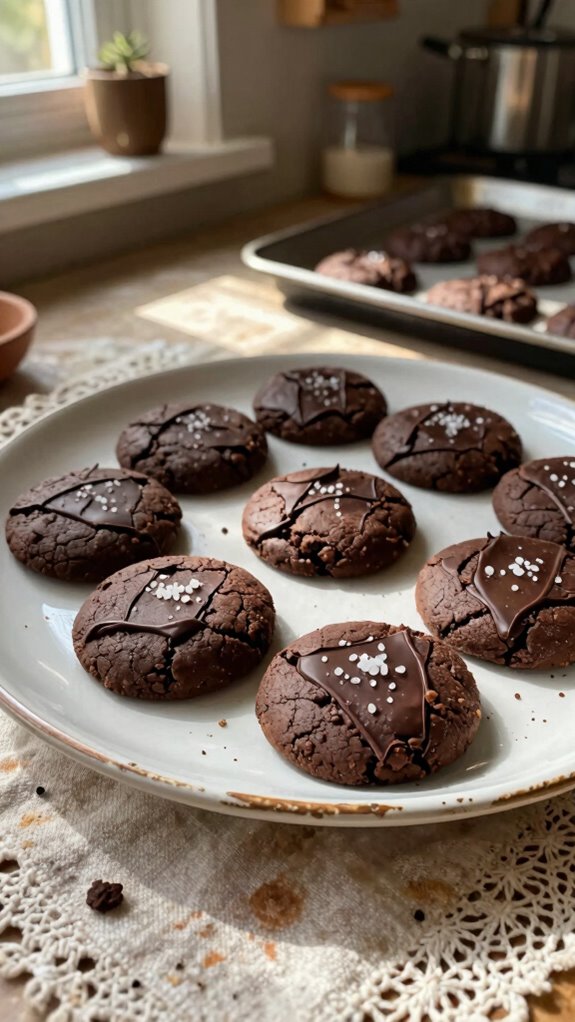
After experimenting with various delicious variations of dark chocolate Bredele, the next important step is to focus on how to present these treats beautifully.
I love using simple plating techniques, like arranging the cookies on a decorative platter or nestling them in festive tins.
Adding cookie garnishes such as a sprinkle of sea salt or edible gold leaf gives an elegant touch that makes them truly shine.
What other dishes can I pair it with?
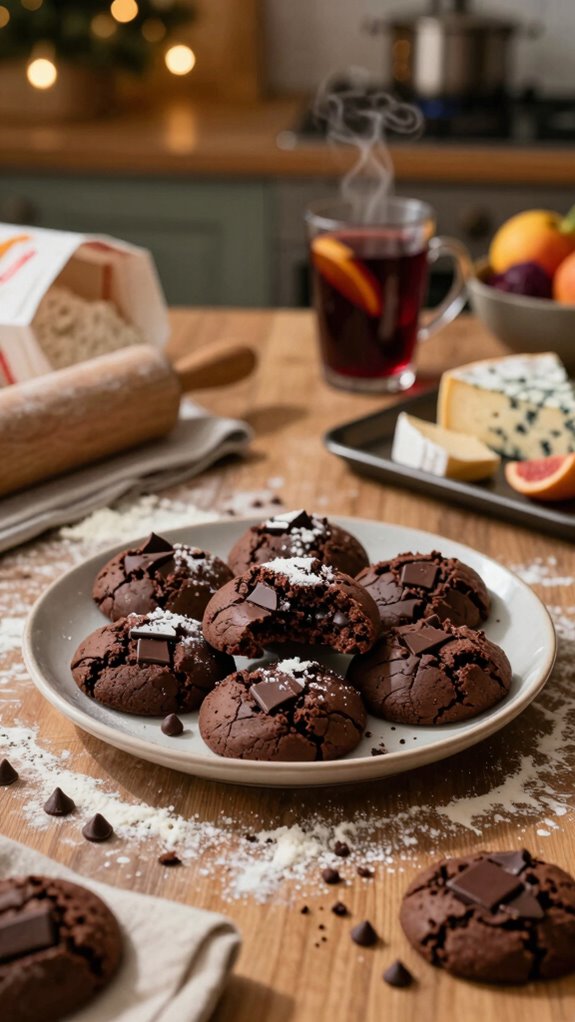
When considering what to pair with dark chocolate Bredele, I’ve found that a variety of dishes can complement their rich flavor beautifully.
For delightful chocolate pairings, try serving them alongside spiced fruit tarts or gingerbread cookies. These festive desserts enhance the holiday spirit and balance the bittersweet notes of the Bredele, creating a deliciously satisfying experience for everyone at your table.
What drinks can I pair it with?
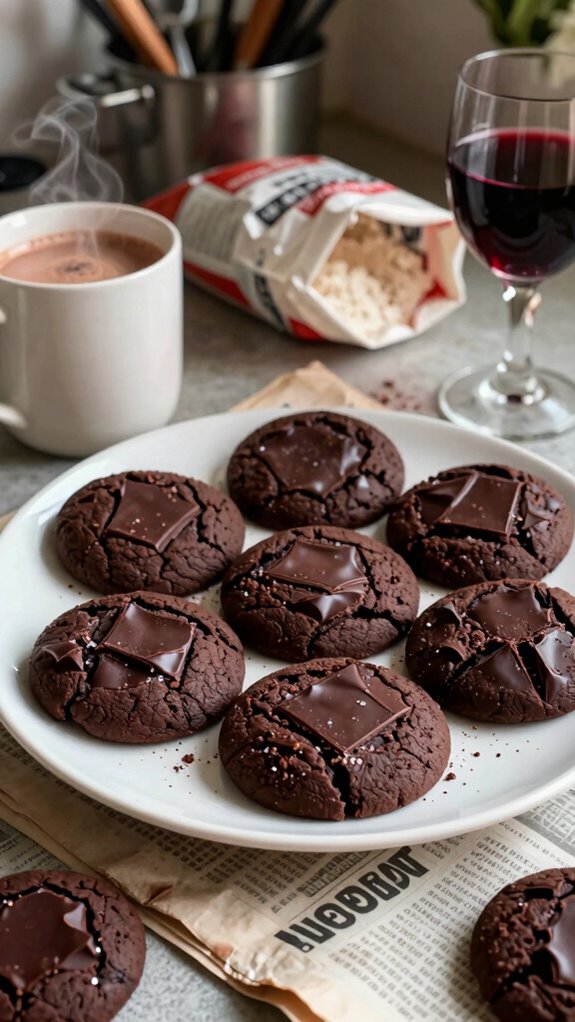
As I think about the delightful pairings for dark chocolate Bredele, the right drinks can elevate the experience even further.
I find that a robust red wine, like Cabernet Sauvignon, makes an excellent wine pairing, enhancing the chocolate’s depth.
Alternatively, I enjoy coffee choices like a rich espresso or a creamy latte that beautifully complements the cookie’s intensity.
Cheers to these delicious combinations!
Frequently Asked Questions
Can I Use Dairy-Free Chocolate for This Recipe?
Absolutely, I use dairy-free chocolate often! Just make sure it matches the cocoa content you need for the recipe. Dairy-free substitutions can work great and still create deliciously rich flavors in your treats.
How Long Do These Cookies Stay Fresh?
They stay fresh for about a week. I recommend storing them in an airtight container in ideal storage conditions, like a cool, dry place. That way, you’ll enjoy their deliciousness longer with these cookie freshness tips!
Are There Gluten-Free Alternatives for the Flour?
Yes, I often use gluten free flours like almond flour or coconut flour for baking. Gluten free blends also work well, giving my cookies a great texture while keeping them safe for those avoiding gluten.
Can I Freeze the Cookies After Baking?
Absolutely, I freeze my cookies after baking! For freezing, I package them in airtight containers. These freezing tips keep them fresh, ensuring my cookie storage is organized and delicious whenever I want a treat.
What Makes Alsatian Bredele Unique Compared to Other Cookies?
Alsatian Bredele stand out due to their cookie origins and rich cultural heritage. I love their regional variations, each with unique spices and flavors, capturing the essence of Alsace and making every bite special.