When I first tried gluten-free amaretti biscuits made with almond flour, I was surprised by their delightful crispness and chewy center. These Italian treats are simple to make and require just a few ingredients. As I experimented with flavors and presentations, I discovered how versatile they could be. If you’re curious about how to perfect these biscuits and what pairings work best, let’s explore the possibilities together.
What kind of recipe is it?
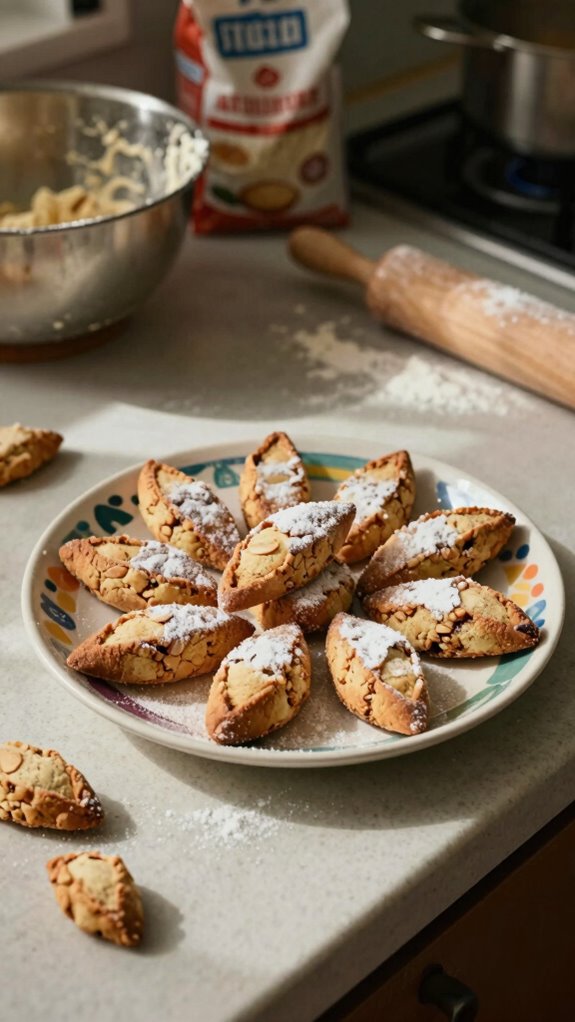
Gluten-Free Amaretti Biscuits are delightful Italian confections known for their crisp exterior and soft, chewy center. Made primarily from almond flour and egg whites, these biscuits are naturally gluten-free, making them a perfect treat for those with gluten sensitivities or celiac disease.
Their unique almond flavor and light texture make them an ideal accompaniment to coffee or tea. Whether you’re hosting a gathering or simply indulging in a sweet craving, these biscuits cater to both health-conscious individuals and dessert lovers alike.
Preparation Time
| Recipe Detail | Description |
|---|---|
| Difficulty of the Recipe | Easy |
| Preparation Time | 15 minutes |
| Number of Servings | Approximately 12 biscuits |
Ingredients
| Ingredient | Quantity |
|---|---|
| Almond flour | 2 cups |
| Granulated sugar | 1 cup |
| Egg whites | 2 large |
| Almond extract | 1 teaspoon |
| Vanilla extract | 1 teaspoon |
| Pinch of salt | To taste |
| Powdered sugar (for dusting) | Optional, for decoration |
Essential Kitchen Equipment
| Tool/Equipment | Purpose | Alternative Option |
|---|---|---|
| Mixing Bowls (Large & Medium) | To mix ingredients together efficiently; large bowl for combining dry ingredients and a medium bowl for egg whites. | Any large bowl you have at home, even a large pot. |
| Measuring Cups (Dry & Liquid) | To accurately measure almond flour, sugar, and liquids like egg whites and extracts. | Use a standard coffee mug or a yogurt container as a rough alternative. |
| Measuring Spoons | To measure small quantities of ingredients, like extract and salt. | Use a regular spoon; a tablespoon or teaspoon from your cutlery set can work in a pinch. |
| Stand Mixer or Hand Mixer | To beat the egg whites until stiff peaks form, which is crucial for the texture of the biscuits. | A whisk can be used manually, but it requires more effort and time. |
| Rubber Spatula | To fold in ingredients gently without deflating the egg whites, ensuring the mixture remains airy. | A wooden spoon can be used, but it’s less effective for gentle folding. |
| Wooden Spoon | Useful for combining and mixing the dry and wet ingredients together. | A sturdy plastic or silicone spoon can serve as a substitute. |
| Baking Sheets (2-3) | To bake the amaretti biscuits; having multiple sheets allows you to bake more at once. | A large oven-safe tray or even an upside-down roasting pan can work. |
| Parchment Paper or Silicone Mats | To line baking sheets for easy removal of the biscuits and prevent sticking. | A well-greased baking sheet can work, but it’s messier. |
| Cookie Scoop or Spoon | To portion the biscuit dough evenly and maintain a uniform size for baking. | A regular spoon can be used, but it won’t ensure uniform sizing. |
| Cooling Rack | To allow baked biscuits to cool evenly and prevent sogginess by allowing airflow. | A plate can be used to cool the biscuits, but it won’t provide airflow. |
| Oven Thermometer | To ensure your oven is at the correct temperature for baking; important for achieving the right texture. | If you don’t have one, you can try using an oven-safe dish of water to check if it simmers, though it’s less precise. |
Cooking Steps
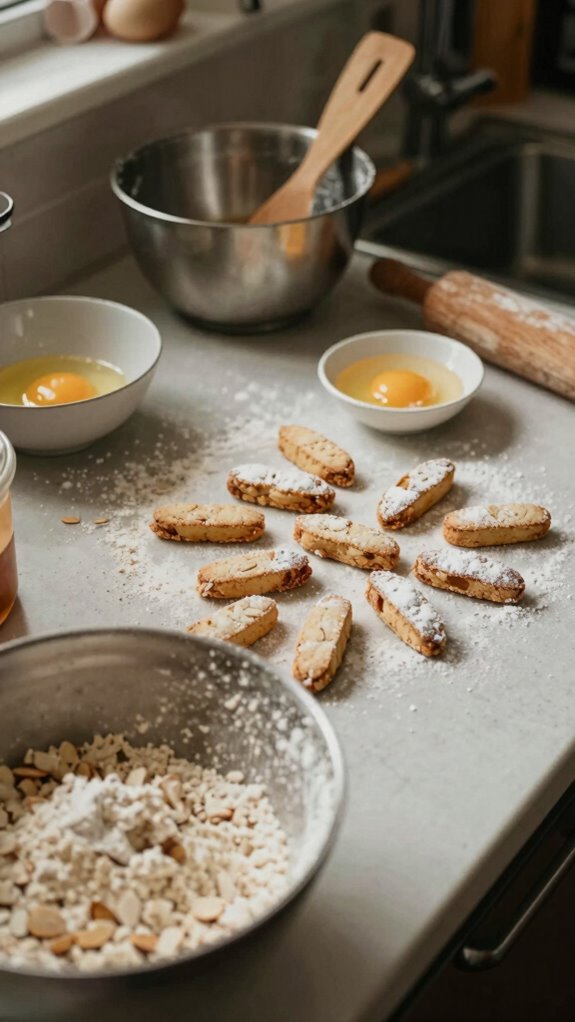
1. Prepare your mise en place by measuring out 240 g (2 cups) of almond flour, 150 g (3/4 cup) of granulated sugar, 1/4 tsp of salt, and 1/2 tsp of almond extract.
Separate 3 large egg whites into a clean, dry medium mixing bowl, ensuring no yolk is present.
2. Preheat your oven to 160 °C (320 °F) and position your oven rack in the center.
Line two baking sheets with parchment paper or silicone mats to prevent sticking.
3. In a large mixing bowl, whisk together the almond flour, granulated sugar, and salt until well combined and free of lumps.
4. Using a stand mixer fitted with the whisk attachment or a hand mixer, beat the egg whites on medium speed until soft peaks form, about 3-4 minutes.
As the egg whites begin to foam, gradually increase the speed to high and continue beating until stiff peaks form, approximately an additional 2-3 minutes.
5. Once the egg whites reach stiff peaks, gently fold half of the almond flour mixture into the egg whites using a rubber spatula.
Use a light hand to maintain the airy texture of the egg whites. Once incorporated, add the remaining almond flour mixture and almond extract, and fold until just combined.
The mixture should be thick and slightly glossy.
6. Using a cookie scoop or spoon, portion the dough into uniform mounds (about 15-20 g each) and place them 3-4 cm (about 1.5 inches) apart on the prepared baking sheets.
7. Allow the unbaked biscuits to rest at room temperature for 30-60 minutes.
This resting period is essential for forming a skin on the surface, helping to create a nice crust.
8. After resting, place the baking sheets in the preheated oven.
Bake for 20-25 minutes, or until the amaretti biscuits are lightly golden and have formed a crisp outer shell.
The interior should remain chewy.
9. Once baked, remove the baking sheets from the oven and let the biscuits cool on the sheets for about 5 minutes before transferring them to a cooling rack.
This helps prevent them from becoming soggy.
10. Allow the amaretti biscuits to cool completely on the cooling rack, which may take an additional 15-20 minutes.
They should be firm to the touch and have a light, crisp exterior.
11. Store the cooled amaretti biscuits in an airtight container to maintain their texture and freshness.
Enjoy within a week for optimal taste.
Variations
- Chocolate Amaretti: Add 30 g (1 oz) of cocoa powder to the almond flour mixture for a rich chocolate flavor.
- Lemon Zest Amaretti: Incorporate the zest of 1 medium lemon along with the almond extract for a bright, refreshing citrus twist.
- Vegan Amaretti: Replace the egg whites with 90 g (1/4 cup + 2 tbsp) of aquafaba (chickpea brine) whipped to stiff peaks for a plant-based version.
- Peppermint Amaretti: Mix in 1/2 tsp of peppermint extract in place of almond extract for a festive flavor perfect for the holiday season.
- Rose Water Amaretti: Substitute 1/2 tsp of almond extract with rose water for a floral twist, ideal for springtime or special occasions.
- Seasonal Spice Amaretti: Add 1 tsp of ground cinnamon and 1/4 tsp of nutmeg to the almond flour mixture for a warm, spiced version during fall or winter.
- Nutty Amaretti: Blend in 50 g (1/2 cup) of finely chopped pistachios or hazelnuts with almond flour for added texture and flavor.
- Microwave Amaretti: Form smaller dough mounds of about 10 g (0.35 oz) each and cook for 30-40 seconds in the microwave for a quick treat (texture will differ from baked).
Tips on plating and presentation
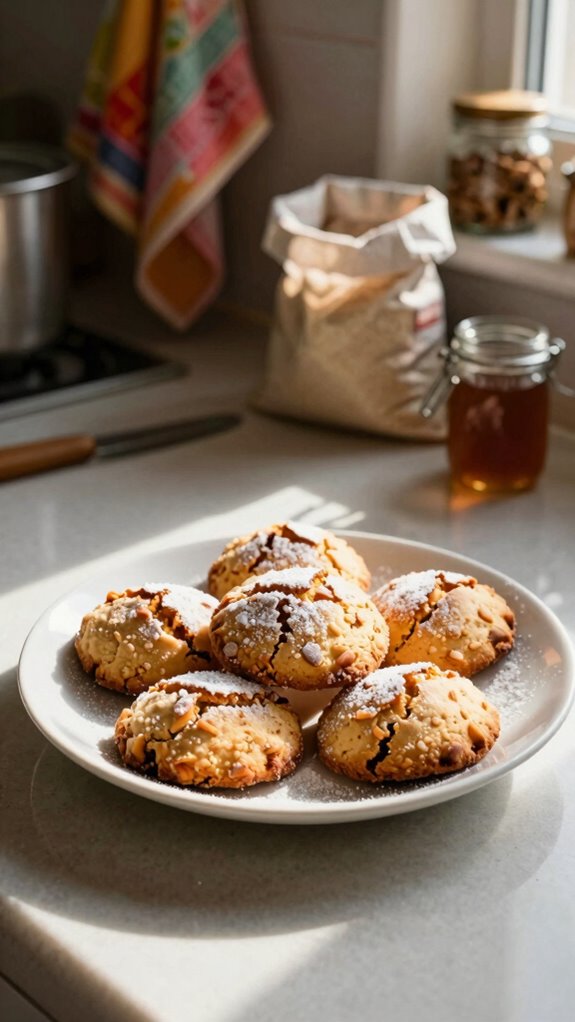
After experimenting with various delicious variations of amaretti biscuits, it’s time to think about how to serve them.
For plating, consider a simple white plate to make the biscuits pop. Add a sprinkle of powdered sugar for elegance, or a few fresh berries as garnish ideas.
Serving suggestions include pairing them with a lovely cup of espresso or herbal tea for a delightful treat.
What other dishes can I pair it with?
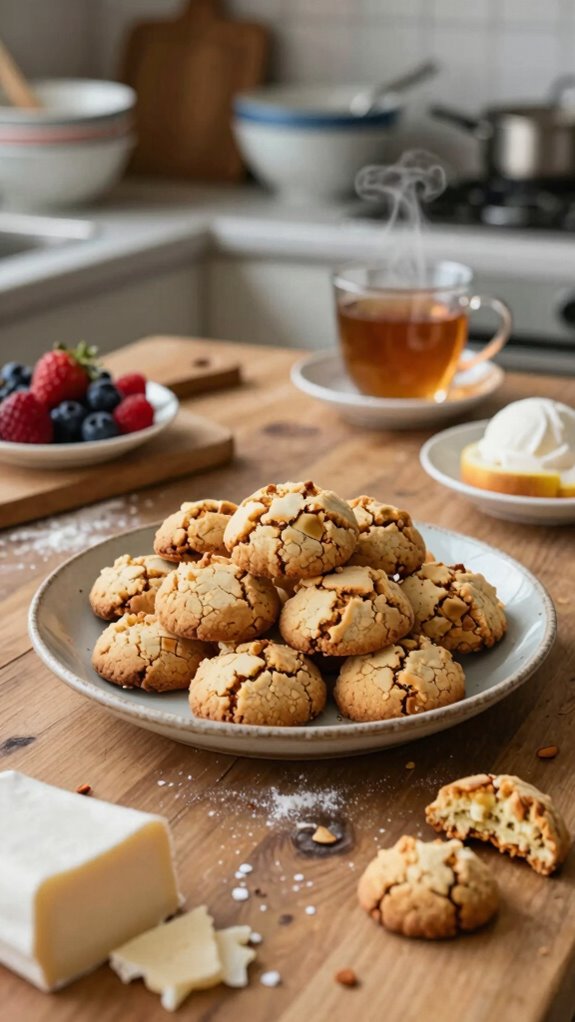
While you might think of amaretti biscuits as a stand-alone treat, they actually pair wonderfully with a variety of dishes.
I love serving them alongside a cheese selection; the nuttiness complements the flavors beautifully.
For dessert pairings, they go perfectly with gelato or fresh berries.
Experimenting with these combinations can elevate your dining experience and surprise your taste buds!
What drinks can I pair it with?
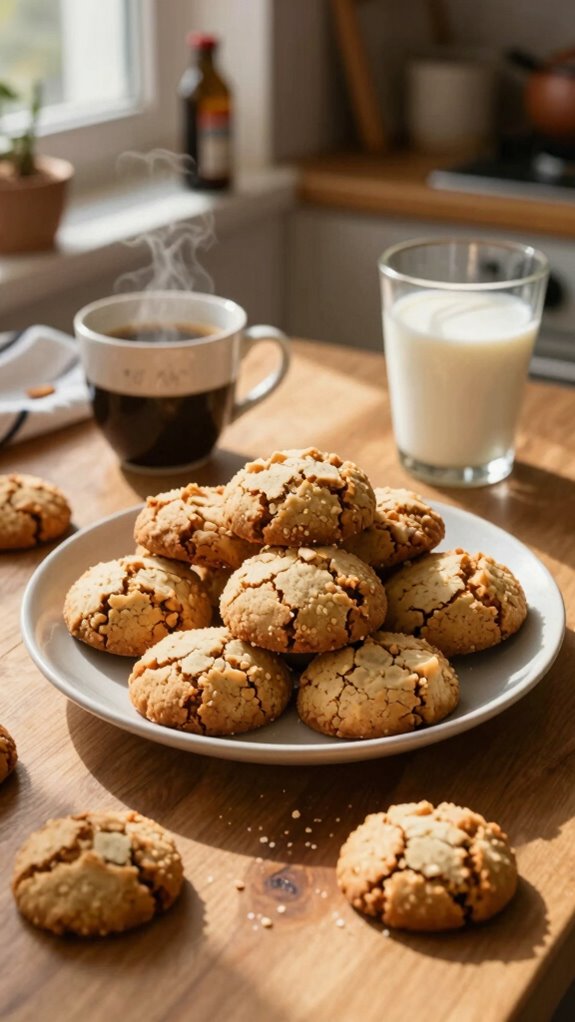
To truly enhance your experience with gluten-free amaretti biscuits, consider pairing them with some thoughtfully chosen drinks.
I love a rich espresso or a creamy cappuccino for perfect coffee pairings. If you’re in the mood for something sweeter, dessert wines like Moscato or Vin Santo create a lovely contrast that complements the almond flavor beautifully.
Enjoy every bite and sip!
Frequently Asked Questions
Can I Use Different Nut Flours Instead of Almond Flour?
Absolutely! I’ve tried nut flour alternatives like hazelnut and cashew flour, and they provide delicious flavor variations. Just keep in mind that different flours can affect texture, so experiment a bit to find your favorite!
How Should I Store Leftover Amaretti Biscuits?
I store leftover amaretti biscuits in an airtight container at room temperature. It’s the best storage method for maintaining freshness, and they stay delicious for several days. Just be sure they’re completely cool before sealing!
Are There Vegan Alternatives for the Eggs?
Absolutely! In my vegan baking, I often use flaxseed meal mixed with water or aquafaba as egg substitutes. They work really well, creating a similar texture and helping bind ingredients perfectly for delicious results.
How Can I Tell When the Biscuits Are Fully Baked?
I usually check the baking time and look for a slightly firm texture on the outside with a soft center. When they’re golden brown, I know they’re fully baked and ready to enjoy!
Can I Freeze the Amaretti Biscuits for Later Use?
Yes, I can freeze the biscuits! I wrap them tightly in plastic and use a freezer bag. This keeps the biscuit texture intact, so I can enjoy them later without losing their delicious crunch.