When I first tried making gluten-free German Lebkuchen cookies with almond flour, I was intrigued by how the flavors could come together so beautifully. The warm spices, combined with the nutty taste of almond flour, creates a unique cookie experience. I knew I had stumbled upon something special. Curious about how to craft these delightful treats yourself? Let’s explore the steps and tips to create your own batch.
What kind of recipe is it?
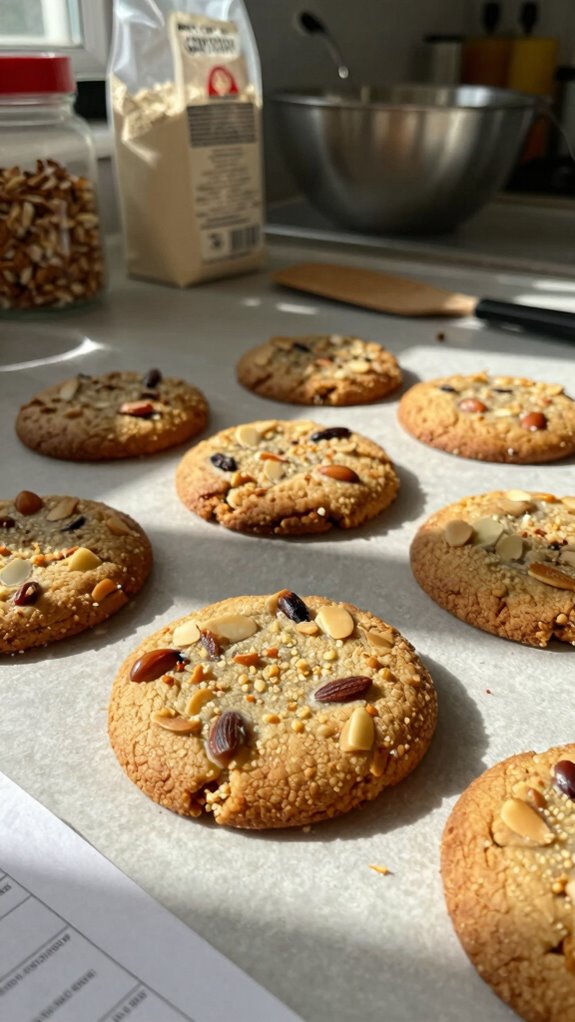
Gluten-Free German Lebkuchen cookies are a delightful variation of traditional German gingerbread, perfect for those with gluten sensitivities.
These spiced cookies are characterized by their rich flavors of cinnamon, nutmeg, and cloves, often featuring honey and almond notes. Their unique chewy texture and festive appeal make them a wonderful treat for holiday celebrations or cozy gatherings.
Ideal for gluten-free bakers and anyone looking to enjoy a taste of Germany without the gluten, these cookies not only satisfy sweet cravings but also evoke warm holiday memories.
Preparation Time
| Recipe Details | Information |
|---|---|
| Difficulty of the Recipe | Moderate |
| Preparation Time | 30 minutes |
| Number of Servings | 24 cookies |
Ingredients
| Ingredient | Quantity |
|---|---|
| Almond flour | 2 cups |
| Gluten-free all-purpose flour | 1 cup |
| Baking powder | 1 teaspoon |
| Ground cinnamon | 2 teaspoons |
| Ground ginger | 1 teaspoon |
| Ground nutmeg | 1/2 teaspoon |
| Ground cloves | 1/2 teaspoon |
| Brown sugar | 3/4 cup |
| Honey | 1/4 cup |
| Molasses | 1/4 cup |
| Eggs | 2 large |
| Vanilla extract | 1 teaspoon |
| Chopped nuts (e.g., almonds, walnuts) | 1/2 cup |
| Zest of orange | 1 tablespoon |
| Zest of lemon | 1 tablespoon |
| Powdered sugar (for icing) | Optional, as needed for decoration |
| Water (for icing) | Optional, as needed for consistency |
Essential Kitchen Equipment
| Tool/Equipment | Purpose | Alternative Option |
|---|---|---|
| Mixing bowls (large and medium) | To combine dry ingredients in one bowl and wet ingredients in another before mixing together. | Any large, deep container will work, such as a plastic or glass bowl. |
| Measuring cups (dry and liquid) | To accurately measure both dry and liquid ingredients for consistency in the dough. | Use a kitchen scale if measuring cups are not available; grams can help achieve precision. |
| Measuring spoons | To measure small quantities of ingredients like spices and vanilla extract. | Use a regular teaspoon or tablespoon from your kitchen, though conversions may vary slightly. |
| Stand mixer or hand mixer | To easily mix the ingredients until combined and the dough reaches a smooth consistency. | A whisk and some elbow grease can work, though it will take more time and effort. |
| Rubber spatula | To scrape down the sides of the mixing bowl and incorporate all ingredients fully. | A wooden spoon can also be used, but it may be less effective for scraping. |
| Wooden spoon | To mix and stir the dough by hand, especially for denser mixtures. | Any sturdy mixing implement, like a silicone or metal spoon, can be a substitute. |
| Baking sheets (2-3) | To spread out the cookies for baking in the oven. A few sheets prevent overcrowding and promote even baking. | Use any flat, oven-safe trays available at home; just ensure they can withstand oven temperatures. |
| Parchment paper or silicone mats | To line baking sheets for non-stick cookie baking and easy cleanup. | Grease the baking sheets lightly with oil or butter to prevent sticking, though this might cause some slight sticking. |
| Cookie scoop or spoon | To portion out consistent cookie dough amounts for uniform baking. | Use two spoons to manually form equal-sized balls of dough. |
| Cooling rack | To allow cookies to cool evenly and prevent sogginess after baking. | Place cookies on a plate or cutting board to cool, though air circulation will be limited. |
| Oven thermometer | To ensure the oven is at the correct temperature for baking, as many ovens can be inaccurate. | Learn to gauge your oven’s heat by doing a simple test with a batch of cookies; however, this is less reliable. |
Cooking Steps
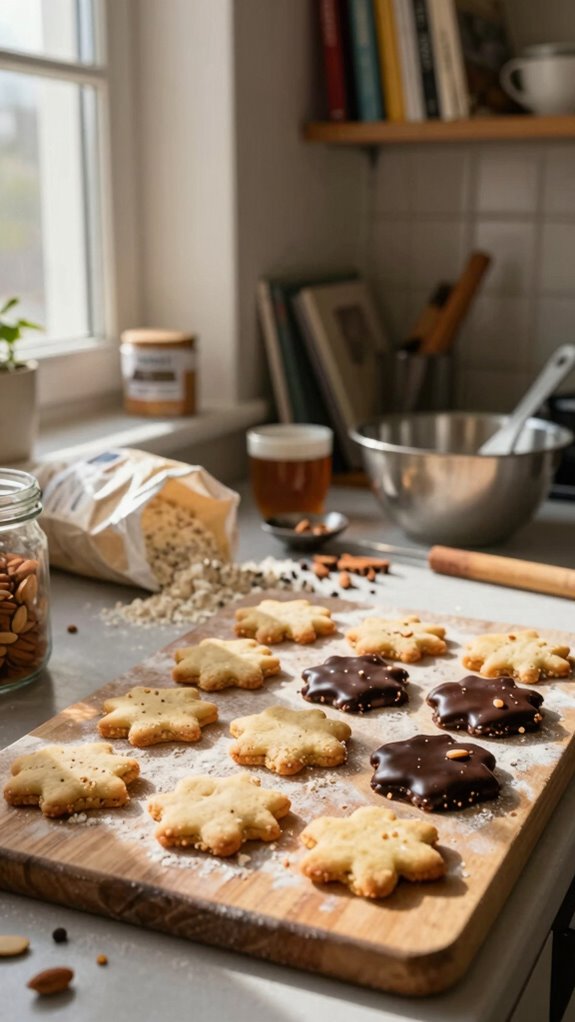
1. Preheat your oven to 180°C (350°F). Position the oven rack in the center to ensure even baking.
2. Prepare your baking sheets by lining them with parchment paper or silicone mats. This will prevent the cookies from sticking and facilitate easy cleanup.
3. In a large mixing bowl, combine 240 g (2 cups) gluten-free all-purpose flour, 100 g (1/2 cup) finely ground almonds, 1 tsp baking powder, 1 tsp ground cinnamon, 1/2 tsp ground ginger, and 1/4 tsp ground cloves. Whisk the dry ingredients together until evenly distributed.
4. In a separate medium mixing bowl, mix together 150 g (3/4 cup) brown sugar, 120 ml (1/2 cup) honey, and 1 large egg until well blended. The mixture should appear smooth and glossy.
5. Gradually pour the wet mixture into the bowl with the dry ingredients. Using a stand mixer on low speed (or a wooden spoon), mix until the dough just comes together. This should take about 1-2 minutes.
Avoid overmixing; the dough should be slightly sticky but manageable.
6. Fold in 100 g (1/2 cup) chopped nuts (optional) and 50 g (1/4 cup) chocolate chips (if using) with a rubber spatula until evenly distributed.
7. Using a cookie scoop, portion out about 30 g (2 tablespoons) of dough. Roll each portion into a ball and place them on the prepared baking sheets, leaving about 5 cm (2 inches) between each cookie.
8. Bake the cookies in the preheated oven for 10-12 minutes, or until they’re lightly browned on the edges and slightly soft in the center.
Aromas of spices should fill the kitchen.
9. Remove the cookie sheets from the oven and allow the cookies to cool on the sheets for about 5 minutes. They’ll firm up a bit during this time.
10. Transfer the cookies to a cooling rack to cool completely. They should feel firm but soft in the middle, and the aroma should be sweet and spicy.
11. For the best flavor, let the cookies rest for at least 24 hours before indulging. This resting period will enhance their taste and texture.
Store in an airtight container at room temperature.
Variations
- Spiced Pumpkin Lebkuchen: Add 100 g (1/2 cup) pureed pumpkin and increase the cinnamon to 1.5 tsp for a fall-inspired flavor.
- Vegan Chocolate Lebkuchen: Substitute the egg with 60 ml (1/4 cup) unsweetened applesauce and use 100 g (1/2 cup) dairy-free chocolate chips for a vegan-friendly version.
- Cranberry Almond Lebkuchen: Fold in 50 g (1/2 cup) dried cranberries and replace half the almonds with chopped pistachios for a festive twist.
- Maple Pecan Lebkuchen: Use 120 ml (1/2 cup) maple syrup instead of honey and incorporate 100 g (1 cup) chopped pecans for a rich taste.
- Lemon Zest Lebkuchen: Add the zest of 1 lemon to the dry ingredients for a refreshing citrus flavor that brightens the spices.
- Chocolate-Dipped Lebkuchen: After baking, dip half of each cookie in melted dark chocolate (use dairy-free if vegan) for an indulgent treat.
- Nut-Free Lebkuchen: Omit the ground almonds and replace with an equal amount of gluten-free flour to cater to nut allergies.
- Air Fryer Lebkuchen: Cook the cookies in an air fryer at 160°C (320°F) for 8-10 minutes for a quick, equally delicious result.
Tips on plating and presentation
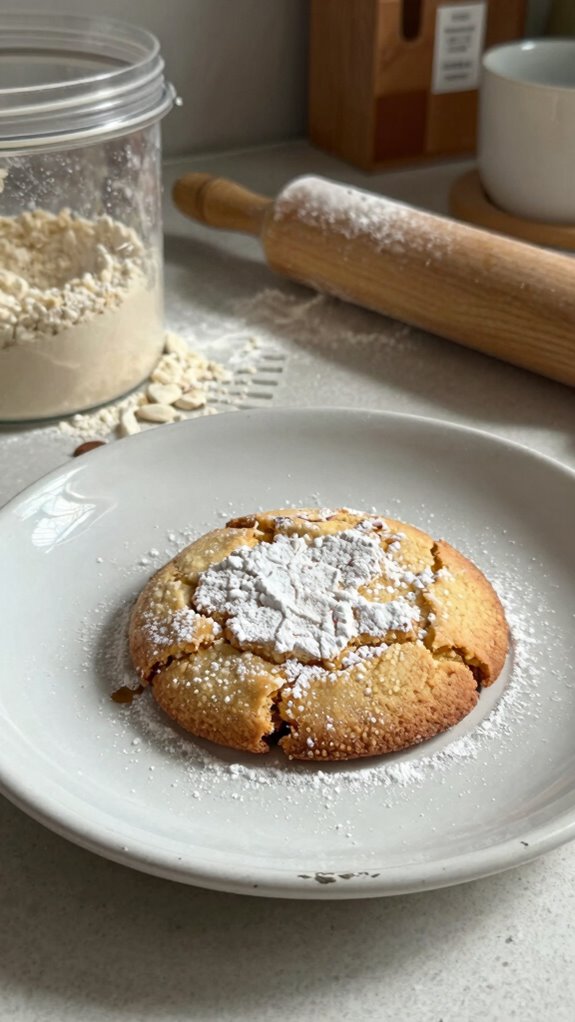
To elevate your gluten-free Lebkuchen, consider not just the taste but also how it looks on the plate.
Use simple plating techniques, like stacking cookies or arranging them in a circle, to create visual interest.
For presentation tips, add a dusting of powdered sugar or some festive garnishes like candied orange peel.
This makes serving even more delightful and inviting!
What other dishes can I pair it with?
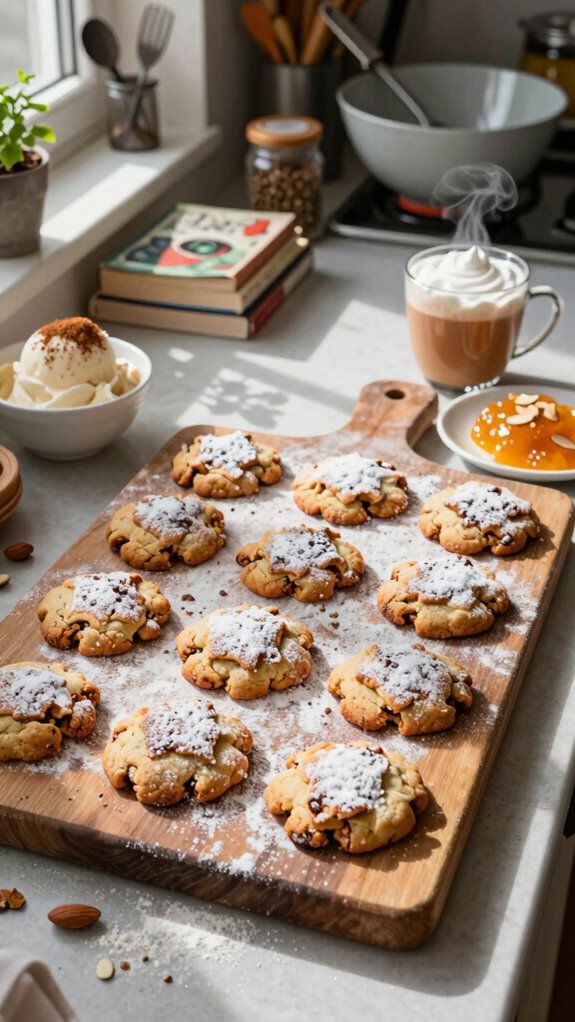
While enjoying my gluten-free Lebkuchen, I’ve discovered that these spiced cookies pair beautifully with a variety of dishes. They complement seasonal desserts like pumpkin pie or apple crisp, adding a delightful twist.
I also love to serve them alongside rich cheeses or as an accompaniment to yogurt parfaits. These cookie pairings elevate any holiday spread, making them a festive favorite!
What drinks can I pair it with?

Several drinks enhance the delightful flavors of gluten-free Lebkuchen cookies. For coffee pairings, a rich espresso brings out the spices beautifully.
I love pairing these cookies with various tea varieties, like chai or herbal blends.
When it comes to wine selections, a sweet Riesling complements the cookie’s flavors.
And, of course, festive holiday drinks like spiced cider add that perfect seasonal touch.
Frequently Asked Questions
Can I Substitute Almond Flour With Other Gluten-Free Flours?
Absolutely! I’ve successfully substituted almond flour with coconut flour and oat flour in various recipes. Just remember, each flour has its own unique properties, so adjust your liquid ingredients accordingly for the best results.
How Do I Store Leftover Lebkuchen Cookies?
I store leftover lebkuchen cookies in an airtight container to maintain cookie freshness. For the best results, I add a slice of apple or bread inside to keep them soft. Here are my favorite storing tips!
Are Lebkuchen Cookies Suitable for Vegan Diets?
Yes, lebkuchen cookies can be made vegan using plant-based ingredients and vegan replacements. I often use sugar alternatives like maple syrup or coconut sugar to keep them delicious while fitting a vegan diet. Enjoy experimenting!
How Long Do These Cookies Last?
These cookies usually last about a week at room temperature, maintaining their cookie freshness. If I refrigerate them, their shelf life can extend to two weeks, preserving that delightful flavor I love so much.
Can I Freeze Lebkuchen Cookies for Later Use?
Absolutely, you can freeze Lebkuchen cookies! Just follow these freezing tips: wrap them tightly to maintain cookie texture. When you defrost, they’ll taste just as delicious as the day you made them!