When I first tried gluten-free shortbread made with almond flour, I was pleasantly surprised by its rich, buttery flavor. This recipe is versatile and perfect for anyone needing a gluten-free option. I’ve experimented with various flavor enhancements, and each time, it leaves a lasting impression. If you’re curious about how to make these delightful treats and elevate your baking, let’s take a closer look at what you’ll need.
What kind of recipe is it?
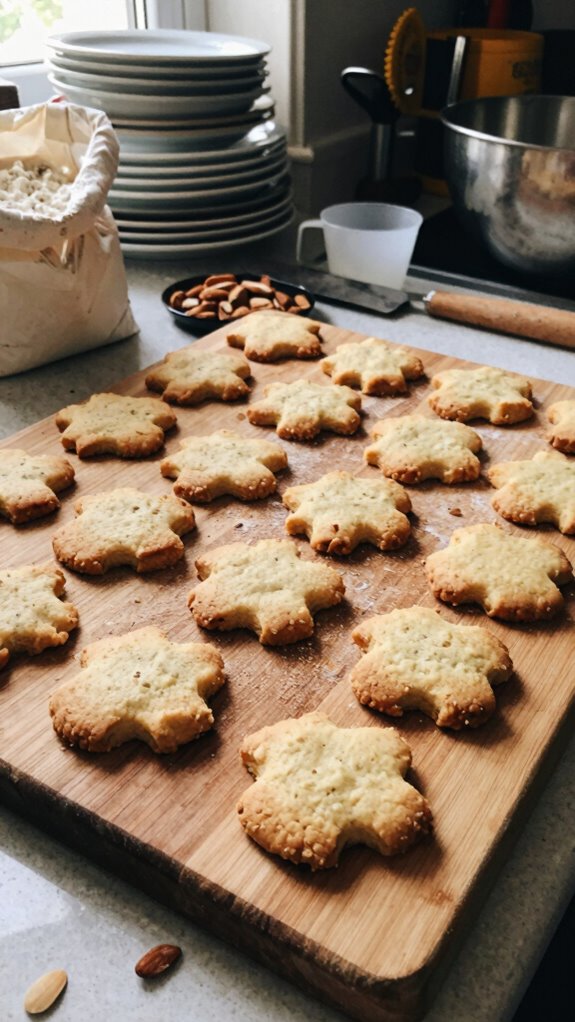
Gluten-Free Shortbread is a deliciously rich and crumbly dessert that caters to those with dietary restrictions, particularly individuals with gluten intolerance or celiac disease.
This recipe boasts buttery flavors, with a melt-in-your-mouth texture that rivals traditional shortbread. It’s made with simple ingredients, making it easy to whip up for any occasion.
Ideal for holiday gatherings, tea parties, or a cozy night in, this treat allows everyone to indulge without compromise, ensuring that no one feels left out from dessert time.
Preparation Time
| Detail | Information |
|---|---|
| Difficulty of the Recipe | Easy |
| Preparation Time | 15 minutes |
| Number of Servings | 12 servings |
Ingredients
| Ingredient | Quantity |
|---|---|
| Gluten-free flour | 2 cups |
| Powdered sugar | 1/2 cup |
| Unsalted butter | 1 cup (softened) |
| Vanilla extract | 1 teaspoon |
| Salt | 1/4 teaspoon |
| Almond flour (optional) | 1/2 cup |
| Xanthan gum (optional) | 1/4 teaspoon |
Essential Kitchen Equipment
| Tool/Equipment | Purpose | Alternative Option |
|---|---|---|
| Mixing Bowls (Large & Medium) | Used to mix ingredients thoroughly. A large bowl is ideal for combining all ingredients, while a medium bowl can be used for smaller quantities. | Use any large deep dish or pot for mixing. |
| Measuring Cups (Dry & Liquid) | Essential for accurately measuring flour, sugar, and liquids. Dry cups are typically used for dry ingredients, while liquid cups are designed for measuring wet ingredients. | Use a standard coffee mug for dry ingredients; a mason jar can be used for liquids in a pinch. |
| Measuring Spoons | Crucial for measuring smaller quantities like vanilla extract, salt, and baking soda accurately. | Use a standard teaspoon or tablespoon from your kitchen utensil drawer. |
| Stand Mixer or Hand Mixer | Makes mixing the butter and sugar much easier, ensuring a smooth and creamy texture for the dough. | Mix by hand using a wooden spoon or whisk for a more hands-on approach. |
| Rubber Spatula | Great for scraping down the sides of bowls and folding ingredients without overmixing the dough. | A silicone spatula can serve the same purpose. |
| Wooden Spoon | Ideal for mixing dough and combining ingredients thoroughly without scratching your bowls. | Any sturdy spoon will work, such as a metal or plastic spoon. |
| Baking Sheets (2-3) | Provides a surface for baking the shortbread cookies. Having extra sheets allows you to bake multiple batches at once. | Use any flat oven-safe tray or dish if baking sheets are not available. |
| Parchment Paper or Silicone Mats | Prevents cookies from sticking to baking sheets, ensuring they come off cleanly. | Grease the baking sheet with butter or oil instead. |
| Cookie Scoop or Spoon | Helps to portion dough evenly, ensuring cookies are the same size for even baking. | Use a tablespoon or your hands to scoop and shape the dough. |
| Cooling Rack | Allows cookies to cool evenly after baking to prevent them from becoming soggy. | Place cookies on a plate or another flat surface, though be mindful they may cool unevenly. |
| Oven Thermometer | Ensures your oven is at the correct temperature for baking shortbread. Occasionally, oven temperatures may be inaccurate. | A simple trick is to use your hand to feel the heat inside the oven if a thermometer is not available (but use caution to avoid burns). |
Cooking Steps
- Preheat the oven to 150°C (300°F). Position the oven rack in the center to ensure even baking.
- Prepare two baking sheets by lining them with parchment paper or silicone mats. This will prevent the shortbread cookies from sticking.
- In a large mixing bowl, combine 225 g (2 cups) of gluten-free flour and 100 g (½ cup) of powdered sugar. Whisk the dry ingredients together until evenly mixed.
- In a medium bowl, beat 225 g (1 cup) of unsalted butter, softened to room temperature, using a stand mixer or hand mixer set on medium speed for about 3-4 minutes until the mixture is light and fluffy.
- Gradually add the dry mixture to the softened butter while mixing on low speed. Mix until the dough begins to pull away from the sides of the bowl. Don’t overmix; the dough should be crumbly but cohesive.
- Use a rubber spatula to gather the dough into a ball. Wrap it in plastic wrap and refrigerate for 30 minutes. This allows the dough to firm up for easier handling.
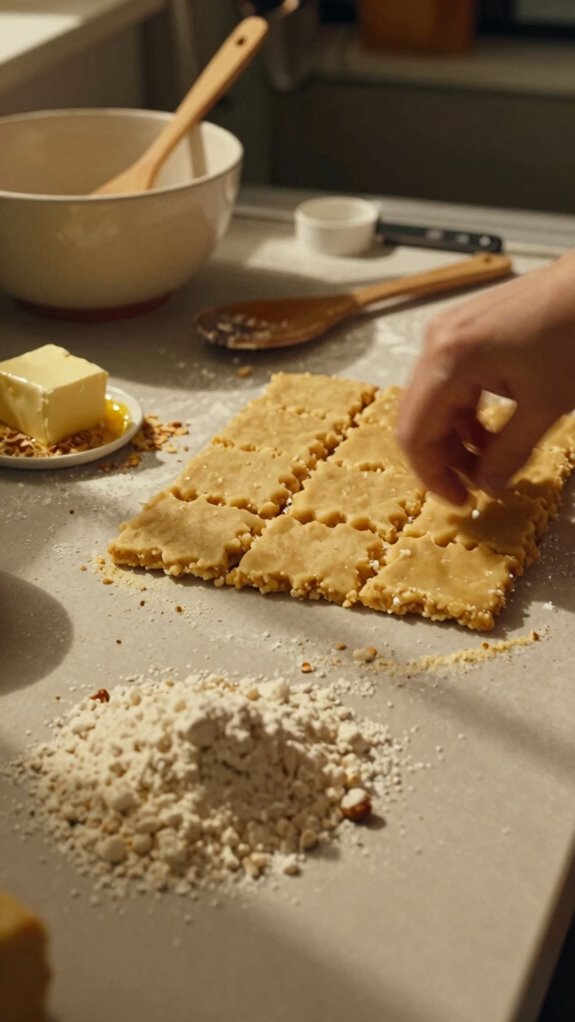
- After chilling, remove the dough from the refrigerator. Lightly flour your work surface with gluten-free flour. Roll out the dough to about 1.5 cm (½ inch) thick.
- Cut the dough into desired shapes (e.g., rectangles or circles) using a cookie cutter or knife. Place the cut-out cookies on the prepared baking sheets, spacing them about 2.5 cm (1 inch) apart.
- Bake the cookies in the preheated oven for 20-25 minutes or until they’re pale golden around the edges and firm to the touch. Avoid over-baking to maintain a tender texture.
- Once baked, remove the cookies from the oven and allow them to cool on the baking sheets for 5 minutes.
- Then, transfer them to a cooling rack to cool completely.
- The cookies can be enjoyed warm or stored in an airtight container at room temperature for up to one week to maintain their crispness.
- Enjoy the buttery aroma and delicate texture when ready to serve.
Variations
- Lemon Zest Shortbread: Add the zest of 1 lemon (about 15 g) to the dough for a refreshing citrus flavor.
- Almond Flour Variation: Substitute 100 g (1 cup) of gluten-free flour with 100 g (1 cup) of almond flour for a nutty twist and added protein.
- Coconut Sugar Shortbread: Replace powdered sugar with 100 g (½ cup) of coconut sugar for a lower glycemic index and a hint of caramel flavor.
- Chocolate Chip Shortbread: Mix in 150 g (1 cup) of dairy-free chocolate chips for a rich, sweet addition to the classic cookie.
- Vegan Shortbread: Use 225 g (1 cup) of coconut oil or vegan butter in place of unsalted butter for a completely dairy-free option.
- Matcha Green Tea Shortbread: Add 2 tablespoons (30 g) of matcha powder to the dry ingredients for an earthy flavor and vibrant color.
- Spiced Cinnamon Shortbread: Incorporate 1 teaspoon (2 g) of ground cinnamon into the dry mixture for a warm, aromatic touch.
- Seasonal Pumpkin Spice Shortbread: Add 2 tablespoons (30 g) of pumpkin puree and 1 teaspoon (2 g) of pumpkin pie spice for a festive fall flavor.
Tips on plating and presentation
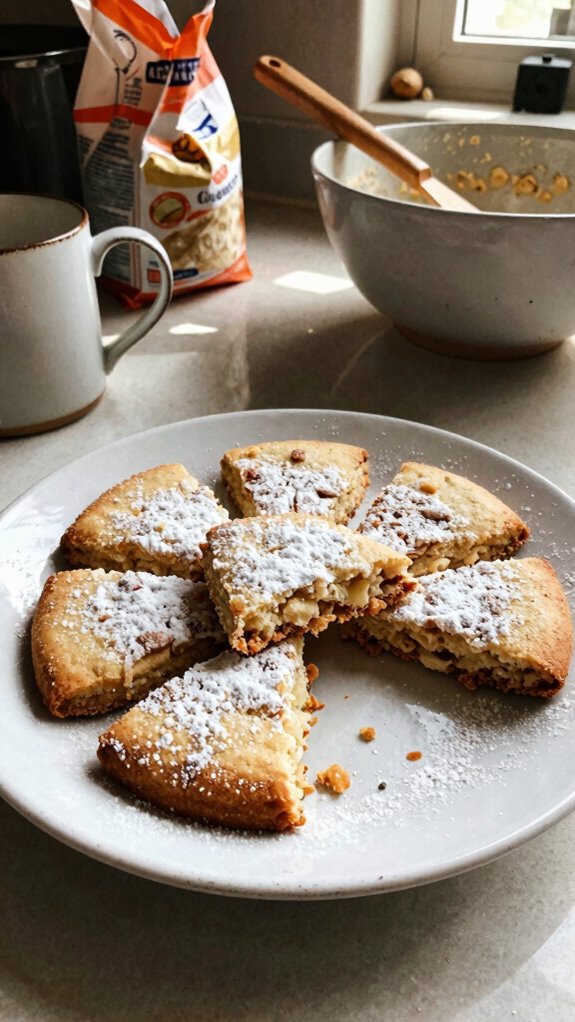
After you’ve chosen your favorite variation of gluten-free shortbread, it’s time to think about how to present your delicious creations.
I love using simple plating techniques, like stacking the cookies or fanning them out on a beautiful plate.
For added flair, consider garnishing with fresh fruit or a dusting of powdered sugar.
These presentation ideas make your shortbread inviting and enhance the overall experience!
What other dishes can I pair it with?
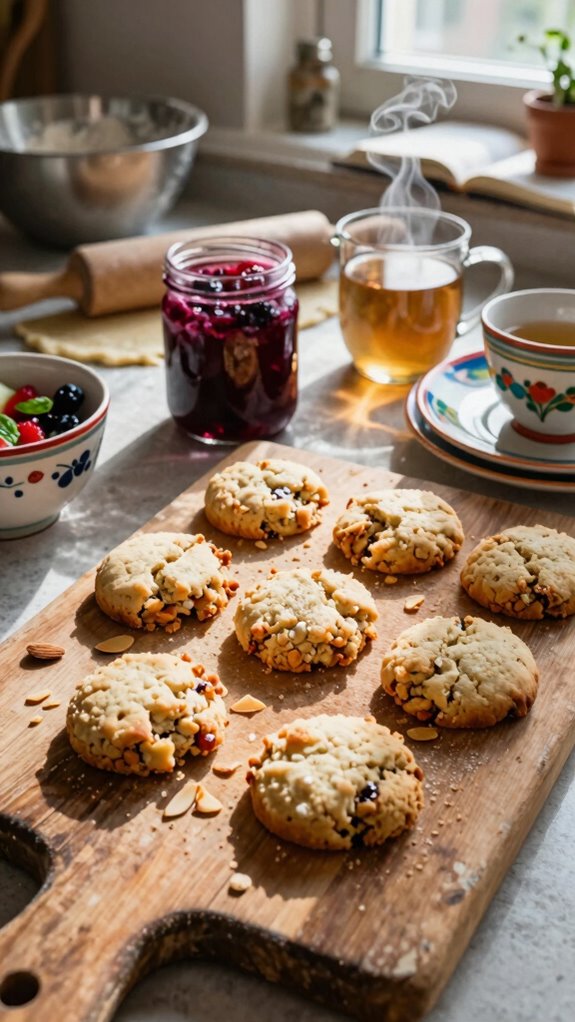
If you’re looking to elevate your gluten-free shortbread experience, consider pairing it with complementary dishes that highlight its buttery flavor.
I love serving it alongside rich chocolate mousse or fresh berries for delightful dessert pairings.
Alternatively, explore savory contrasts, like pairing it with cheese or charcuterie.
These combinations enhance the shortbread’s taste and create a wonderfully balanced dining experience.
What drinks can I pair it with?
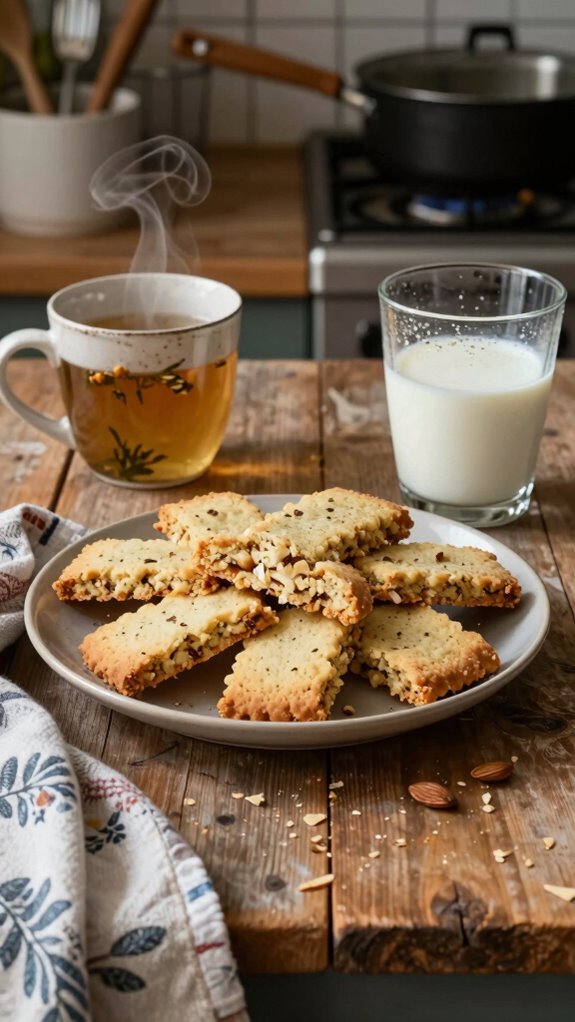
To truly savor gluten-free shortbread, a well-chosen drink can elevate the experience.
I love pairing it with a warm cup of herbal tea, like chamomile or Earl Grey, which complements the sweetness beautifully.
Alternatively, rich coffee options, such as a velvety latte or a smooth espresso, enhance the shortbread’s buttery flavor.
These combinations make every bite even more delightful!
Frequently Asked Questions
Is Almond Flour a Good Substitute for Regular Flour?
Absolutely! I love using almond flour as a substitute for regular flour. It adds a rich flavor and moist baking texture, plus it’s packed with benefits like healthy fats and protein. You won’t regret trying it!
Can I Refrigerate the Dough Before Baking?
Yes, you can refrigerate the dough before baking. I find that chilling benefits the dough texture, making it firmer and easier to handle, leading to a more delightful final product. Give it a try!
How Should I Store Leftover Shortbread?
I store leftover shortbread in airtight containers for optimal freshness. Proper packaging keeps them from drying out, ensuring they remain delicious. Just make sure to consume them within a week for the best taste experience!
How Long Does Gluten-Free Shortbread Stay Fresh?
I’ve found gluten-free shortbread typically stays fresh for about one to two weeks when stored properly. Its shelf life can vary, but keeping it in an airtight container helps maintain that delicious freshness duration.
Can I Freeze Gluten-Free Shortbread Cookies?
Yes, you can freeze gluten-free shortbread cookies! I recommend wrapping them tightly to maintain the cookie texture. When you’re ready to enjoy, thaw them at room temperature for the best flavor and consistency.