Pull-out cabinet organizer
SONGMICS Pull Out Cabinet Organizer
A sliding organizer can make supplies easier to reach; check pipe and hinge clearances.
Find on AmazonSearch Amazon ↗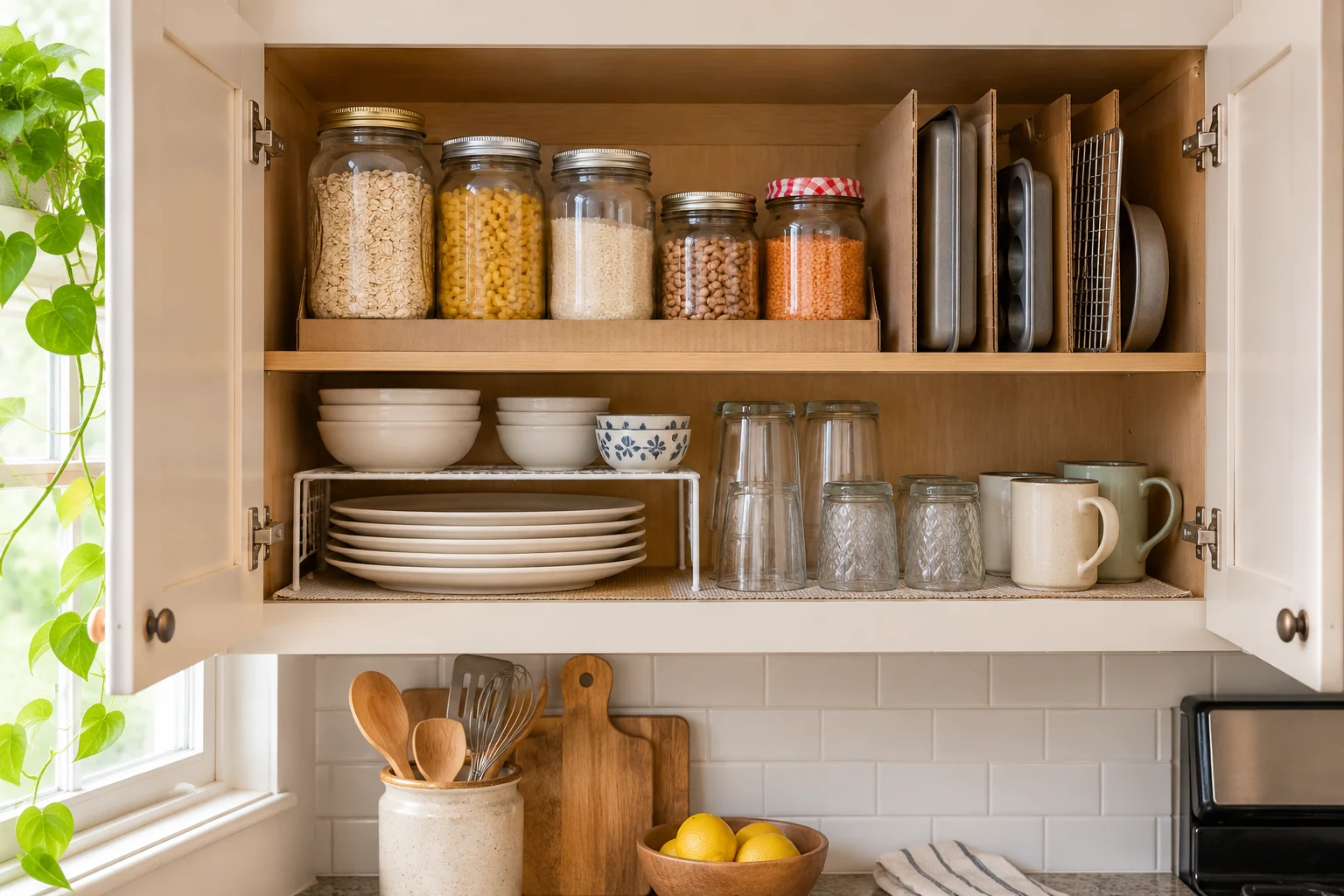
Homework supply station ideas are easier to maintain when every item has a place and the setup fits the room. Use these practical steps to make awkward space useful, keep essentials reachable, and choose storage that matches your measurements.
Affiliate disclosure: As an Amazon Associate I earn from qualifying purchases.
A sliding organizer can make supplies easier to reach; check pipe and hinge clearances.
Find on AmazonSearch Amazon ↗A freestanding hook stand can give keys and light bags a consistent place beside the paper station. Keep it stable and within its load guidance.
Find on AmazonSearch Amazon ↗A shallow shelf can hold labeled paper trays or a small calendar.
Find on AmazonSearch Amazon ↗Combines a seat, hooks, and a defined place for shoes and bags.
Find on AmazonSearch Amazon ↗
Put the label where it can be read from the normal standing position in homework supply station. For sets or seasonal items, include the room or owner as well; a label should answer “what is here?” at a glance. That gives homework supply station a clear next step. Put the short label on the front face, where it remains readable after the container is returned. Labels support homework supply station only when they remain visible after the containers go back.
Backstock is easier to manage when it has a clear limit; let the active container in homework supply station run low before refilling. Replenish when the active supply runs low instead of letting reserve stock crowd the daily routine. Choose a bin that still feels manageable when full, and leave enough clearance to slide it forward without scraping adjacent items. Keep working stock separate from sealed refills in homework supply station, so backups do not crowd the active supply.
Keep the organizer clear of hinges, vents, appliance controls, and the natural route through homework supply station. Adjust the setup if it narrows a passage, hides a control, blocks a vent, or makes another frequently used item awkward to reach. In the shared living area, preserve child reach, small parts, and furniture stability. Use a cart for supplies that need to move together, but keep its loaded weight within the maker’s guidance. Protect the route through homework supply station; an open door or drawer should not turn storage into an obstacle.
Keep the heaviest contents low in homework supply station and check the shelf rating before adding more weight. Check the stated load guidance, and secure tall or wall-mounted storage to an appropriate fixing point. Once that is done, check child reach, small parts, and furniture stability. Before loading a low shelf, check its stated capacity and stability on the actual floor surface. Heavy pieces in homework supply station belong low; confirm the shelf rating before loading it.
Give each set of small parts one compartment in homework supply station; loose pieces are much harder to put away. Keeping one activity together makes setup quicker and prevents tiny pieces from migrating into neighboring zones. In the shared living area, this matters because child reach, small parts, and furniture stability can be easy to overlook. Match each section to one group and leave a little room to lift pieces out with your fingers. Small pieces from homework supply station are easier to return when they share a divided container.
Do not fill every shelf edge to edge—homework supply station needs a small margin for the next item. Avoid packing the container to its limit. A little spare capacity makes it possible to put things back one-handed and gives new arrivals a temporary home while you decide where they belong. Check the weave and lining before using a basket near spills or damp items; breathable materials work best for dry storage. Leave spare capacity for homework supply station so a new item has a temporary home.
Choose one short reset habit for homework supply station, such as returning loose items after dinner. A quick reset during the normal routine is easier than emptying the whole area later. Look at child reach, small parts, and furniture stability from the spot where you will use the items. Put the short label on the front face, where it remains readable after the container is returned. A short reset keeps homework supply station from collecting things that belong elsewhere.
The real test for homework supply station is the busiest part of the routine; notice what gets left out. Move that category closer to the moment it is needed. Choose a bin that still feels manageable when full, and leave enough clearance to slide it forward without scraping adjacent items. Try homework supply station for a full week before changing the setup; move the position that causes actual friction.
Label seasonal pieces by room or occasion before moving them out of homework supply station; next year’s reset will be quicker. Use one container per group rather than mixing unrelated supplies; this keeps the contents visible and the return decision simple. Seasonal items connected with homework supply station are easier to rotate when they move as one labeled group.
Start with an honest edit: remove anything that does not belong in homework supply station before choosing another container. Gather the items in this zone, remove anything broken or no longer used here, and measure for the smaller, more honest pile that remains. In the shared living area, make the setup work with child reach, small parts, and furniture stability. Check the organizer dimensions against the usable opening and the items it will hold before ordering. The first step in planning homework supply station is deciding which belongings still earn space.
Give the most-used items the easiest position in homework supply station; move occasional stock farther back. That small hierarchy saves repeated searching and keeps backups from taking over the working area. In the family area, check child reach, small parts, and furniture stability before putting anything in place. Use a riser only if it sits flat and leaves enough finger room to retrieve cups or containers. For homework supply station, place daily-use items closest to the task and move occasional pieces farther back.
Measure the full opening, including trim, hinges, and the clearance needed for doors and drawers. Compare those measurements with product dimensions before ordering.
Keep daily essentials reachable, heavy belongings low, and access to utilities, vents, and exits clear.
After a week of regular use, move anything that is hard to reach, blocks a walkway, or does not fit your routine.
Begin with the changes that make the biggest difference to your daily routine. Recheck the measurements and review the arrangement after a week of use.