I’ve always found the combination of shortbread cookies and dark chocolate to be simply irresistible. The buttery richness of the cookies pairs beautifully with the bittersweet notes of the chocolate. Plus, they’re surprisingly easy to make, which means even novice bakers can impress their friends and family. If you’re curious about how to make this delightful treat yourself, there are a few essential details and tips you’ll want to know.
What kind of recipe is it?
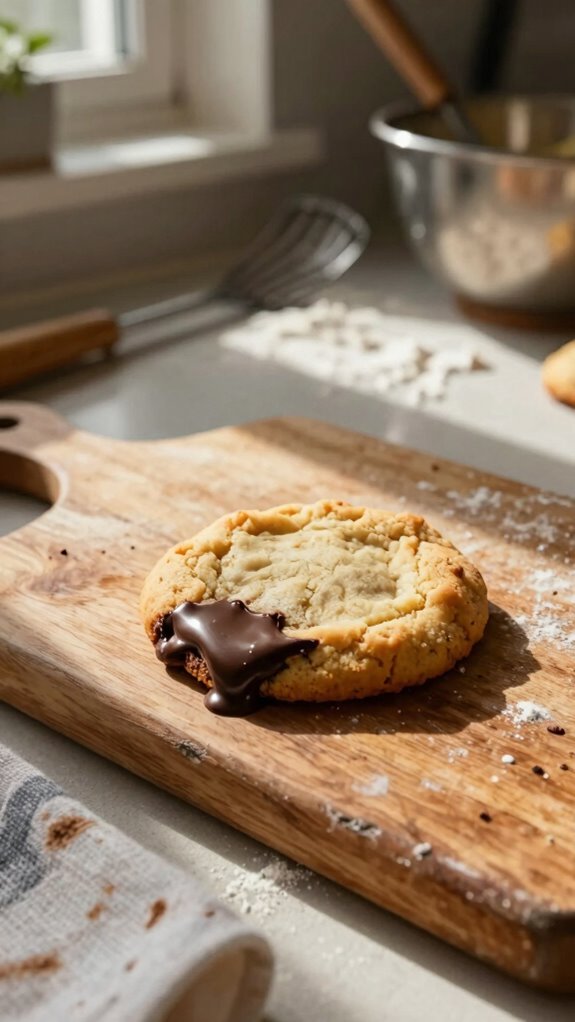
Shortbread cookies dipped in dark chocolate are a delightful treat that perfectly balance buttery richness and bittersweet chocolate. This classic dessert showcases a crumbly, melt-in-your-mouth texture that’s irresistible, making it ideal for both casual snacking or elegant gatherings.
With its simple ingredients and easy preparation, this recipe is perfect for beginner bakers and seasoned chefs alike. Indulge in these cookies to satisfy your sweet tooth or impress guests at a holiday party, making them a versatile addition to any dessert lineup.
Preparation Time
| Aspect | Details |
|---|---|
| Difficulty of the Recipe | Easy |
| Preparation Time | 20 minutes |
| Number of Servings | Approximately 12 cookies |
Ingredients
| Ingredient | Quantity |
|---|---|
| Unsalted butter | 1 cup (2 sticks) |
| Granulated sugar | ¾ cup |
| Powdered sugar | ¼ cup |
| All-purpose flour | 2 cups |
| Cornstarch | ½ cup |
| Vanilla extract | 1 teaspoon |
| Dark chocolate (for dipping) | 8 ounces |
| Sea salt (optional) | A pinch |
Essential Kitchen Equipment
| Tool/Equipment | Purpose | Alternative Option |
|---|---|---|
| Mixing bowls (large and medium) | To combine and mix the cookie dough ingredients. | Any large heatproof bowl or pot. |
| Measuring cups (dry and liquid) | To accurately measure ingredients like flour, sugar, and butter. | Use a standard coffee cup for approximations. |
| Measuring spoons | For precise measurement of small quantities like vanilla extract or salt. | A regular teaspoon or tablespoon can work. |
| Stand mixer or hand mixer | To thoroughly mix the ingredients until creamy and well combined. | A whisk and elbow grease for mixing by hand. |
| Rubber spatula | To scrape down the sides of the bowl and incorporate all ingredients. | A wooden spoon can be used, though less efficient. |
| Wooden spoon | To mix ingredients, especially in combining dry and wet mixtures. | Any sturdy spoon can work in a pinch. |
| Baking sheets (2-3) | To spread and bake the cookies evenly in the oven. | Any flat, oven-safe tray or dish can suffice. |
| Parchment paper or silicone mats | To line baking sheets for non-stick baking and easy cookie removal. | Lightly greased aluminum foil or a clean baking sheet. |
| Cookie scoop or spoon | For portioning uniform cookie dough onto the baking sheets. | Use two tablespoons to measure and shape cookies by hand. |
| Cooling rack | To cool baked cookies evenly, preventing sogginess. | A plate can be used, but may not cool as effectively. |
| Oven thermometer | To ensure the oven is at the correct baking temperature. | Use the built-in oven temperature gauge, though accuracy may vary. |
Cooking Steps
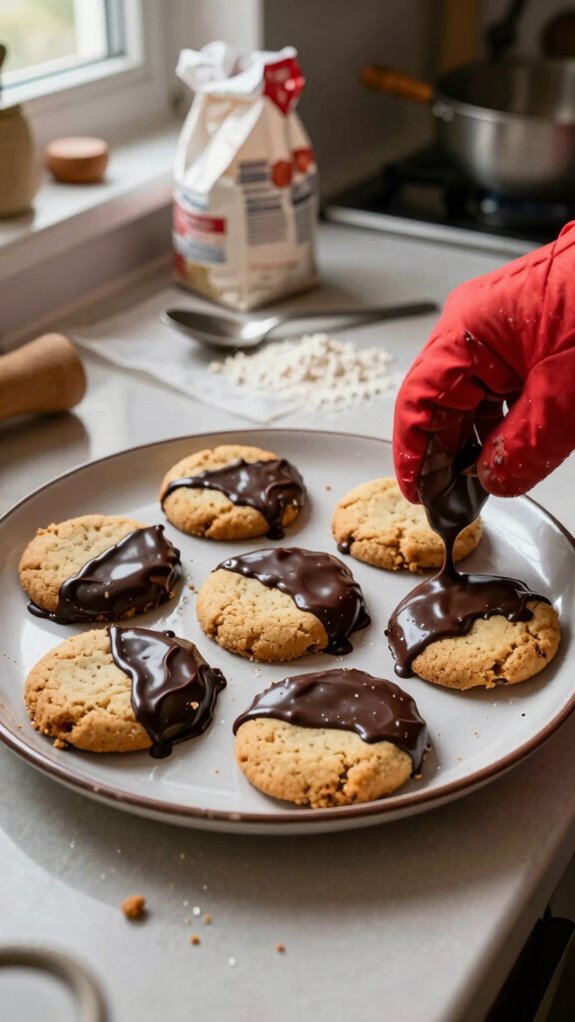
- Begin with mise en place. Gather 240 g (2 cups) all-purpose flour, 150 g (3/4 cup) powdered sugar, 120 g (1/2 cup) unsalted butter, softened, 1 tsp vanilla extract, and 1/4 tsp salt. Place all ingredients within reach.
- Preheat your oven to 160 °C (325 °F). Position an oven rack in the center.
- In a large mixing bowl, combine the softened butter and powdered sugar using a hand mixer or stand mixer on medium speed until the mixture is creamy and light in color, about 2-3 minutes.
- Add the vanilla extract and salt to the butter-sugar mixture. Continue mixing on low speed until evenly incorporated.
- Gradually add the all-purpose flour to the mixture, mixing on low speed until fully combined and a soft dough forms. Avoid overmixing to retain a tender texture.
- Line two baking sheets (23 x 33 cm or 9 x 13 inches) with parchment paper or silicone mats. Use a cookie scoop or two tablespoons to portion out about 30 g (2 tablespoons) of the cookie dough and place each scoop onto the prepared baking sheets, spacing them about 5 cm (2 inches) apart.
- Flatten each cookie slightly with the palm of your hand. The cookies should appear thick and not very spread out.
- Bake the cookies on the center rack of the oven for 18-20 minutes, or until the edges are lightly golden but the center remains pale. You’ll notice a light aroma of baked dough as they approach doneness.
- Once done, remove the baking sheets from the oven and place them on a cooling rack. Allow the cookies to cool completely on the baking sheets for about 10 minutes before transferring them to the cooling rack.
- Prepare 200 g (7 oz) of dark chocolate for dipping. Chop the chocolate into small pieces and place it in a heatproof bowl.
- Set up a double boiler by placing the bowl of chopped chocolate over a small saucepan filled with simmering water (ensure the water doesn’t touch the bowl) on low heat. Stir the chocolate gently until it’s fully melted and smooth, about 5-7 minutes.
- Dip the cooled shortbread cookies halfway into the melted dark chocolate, then gently shake off excess chocolate.
- Place the dipped cookies back onto the lined baking sheets. Allow the chocolate to set at room temperature, approximately 30-60 minutes. You can speed up the process by refrigerating the cookies for about 10-15 minutes.
- Once the chocolate has set, serve your shortbread cookies immediately, or store them in an airtight container at room temperature for up to 1 week. Enjoy the fragrant aroma and delightful texture!
Variations
- Almond Shortbread: Substitute 50 g (1/2 cup) of all-purpose flour with almond flour for a nutty flavor.
- Lemon Zest Shortbread: Add the zest of 1 lemon (about 1 tsp) to the dough for a refreshing citrus twist.
- Chocolate Chip Shortbread: Fold in 100 g (1/2 cup) of dark chocolate chips into the dough before baking for added texture and sweetness.
- Coconut Flour Shortbread (Gluten-Free): Replace 60 g (1/2 cup) of all-purpose flour with coconut flour for a gluten-free option, adjusting the butter by adding 30 g (2 tbsp) for moisture.
- Dairy-Free Shortbread: Use coconut oil or vegan butter in place of unsalted butter for a dairy-free adaptation.
- Maple Pecan Shortbread: Replace 50 g (1/4 cup) of powdered sugar with maple syrup and fold in 100 g (1 cup) of chopped pecans for a fall-inspired treat.
- Matcha Shortbread: Incorporate 1 tsp of matcha powder into the flour for a green tea flavor and unique color.
- Air-Fryer Shortbread: Prepare cookie dough as directed, then air fry at 160 °C (320 °F) for 10-12 minutes for a quicker, alternate cooking method.
Tips on plating and presentation
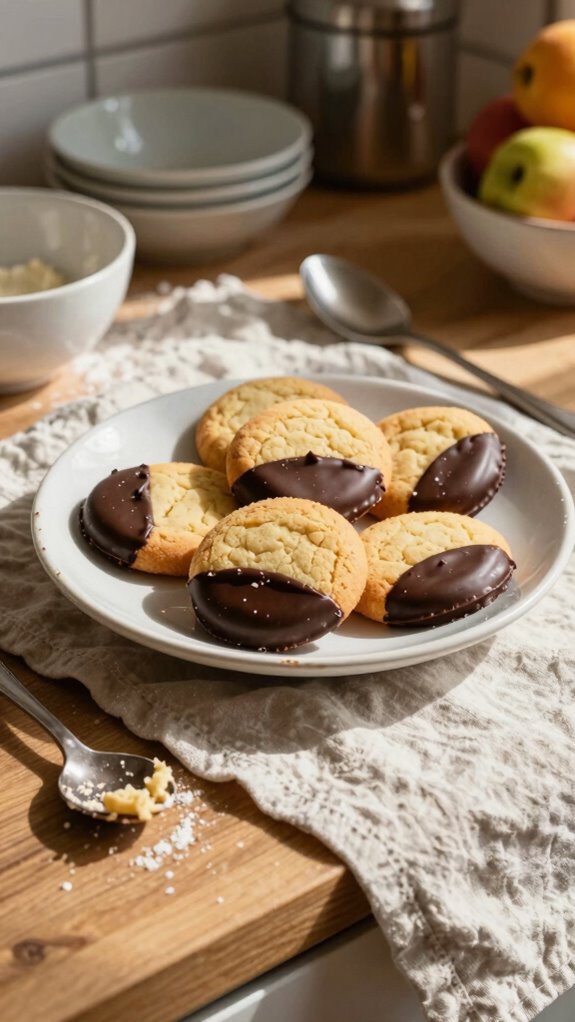
After exploring the delightful variations of shortbread cookies, it’s time to think about how to make them visually appealing on the plate.
Use simple plating techniques, like arranging cookies in a staggered pattern, to create depth.
Consider garnishing with fresh berries or a sprinkle of powdered sugar for added elegance.
What other dishes can I pair it with?
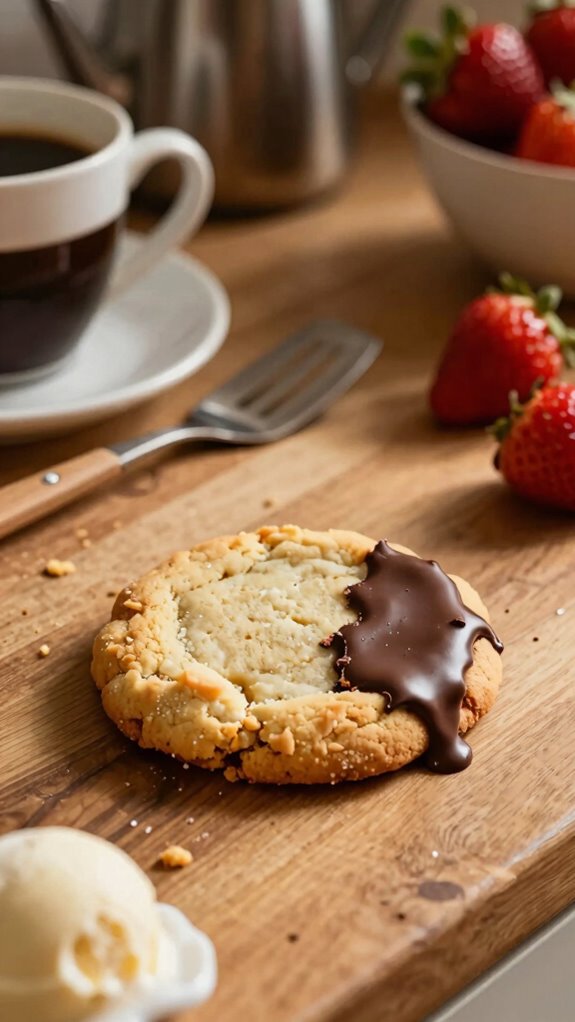
While shortbread cookies dipped in dark chocolate stand out on their own, they pair beautifully with a variety of dishes to enhance your dessert spread.
I love adding fresh fruit, like strawberries or raspberries, to my dessert platters. They also work perfectly at tea parties alongside scones and clotted cream.
This combination brings out the richness of the chocolate and the buttery texture of the cookies.
What drinks can I pair it with?
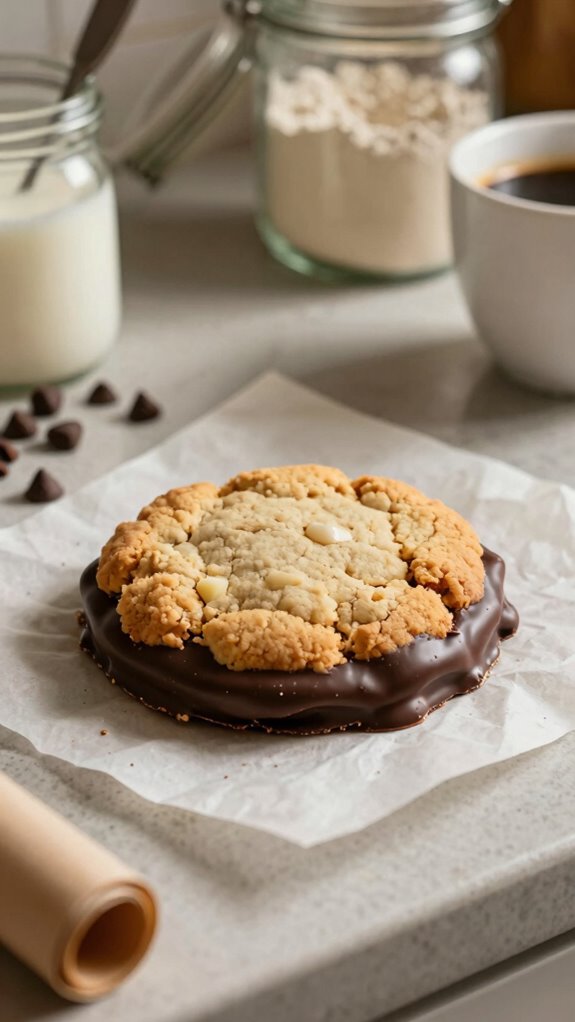
What drinks can elevate the experience of enjoying shortbread cookies dipped in dark chocolate?
I love pairing them with a rich, aromatic coffee or a smooth cappuccino for that perfect balance.
If you’re leaning towards tea options, a robust black tea or a soothing chamomile enhances the flavors beautifully.
Experimenting with these drinks truly transforms the simple act of snacking into an indulgent treat.
Frequently Asked Questions
Can I Freeze Shortbread Cookies Dipped in Dark Chocolate?
Yes, I freeze cookies dipped in dark chocolate using proper freezing techniques. I allow them to cool, wrap them in plastic, and store them in an airtight container to keep them fresh and delicious.
How Long Do These Cookies Stay Fresh?
These cookies stay fresh for about a week when properly stored. I suggest keeping them in an airtight container to maximize their cookie lifespan. Follow these storage tips to enjoy them longer!
Are There Any Gluten-Free Alternatives for This Recipe?
Yes, I’ve used gluten-free flours like almond or coconut in cookie recipes. For a dairy-free option, substitute butter with coconut oil or a plant-based margarine. It’s delicious, and everyone can enjoy it!
What Type of Dark Chocolate Is Best to Use?
I prefer bittersweet chocolate for baking; it balances sweetness and richness perfectly. While semi-sweet’s great too, bittersweet enhances flavors more, especially in cookies. It’s a game-changer for creating that deep, rich chocolate experience I love!
Can I Use Milk or White Chocolate Instead?
Yes, you can use milk chocolate alternatives or white chocolate variations instead! I’ve tried both, and they add a different flavor profile, making my treats fun and versatile. Just adjust the sweetness to your taste!